- The talks were reportedly aimed at encouraging Iranian Kurdish groups to consider a ground operation inside Iran
- When asked whether the United States would provide air support to Kurdish fighters in such a scenario
- Since the conflict began, American installations in Erbil have reportedly faced repeated drone and missile attacks from Iran
United States President Donald Trump has voiced support for the possibility of Kurdish groups launching an uprising against Iran as Washington explores ways to pressure the Iranian government from within.
Speaking in an interview with Reuters on Thursday, Eko Hot Blog reports that Trump said he would welcome such a move if Kurdish factions decided to take action against the Iranian authorities.
EDITOR’S PICK
- Nigeria Awaits FIFA Verdict On DR Congo Player Eligibility Dispute
- Trump Says Diplomacy Is “Much Easier” Now After Decapitating Strikes on Iran
- Senate Targets 2026 for State Police Amendment
Reports from several US media outlets indicate that the president recently held discussions with leaders in the semi-autonomous Kurdish region of Iraqi Kurdistan.
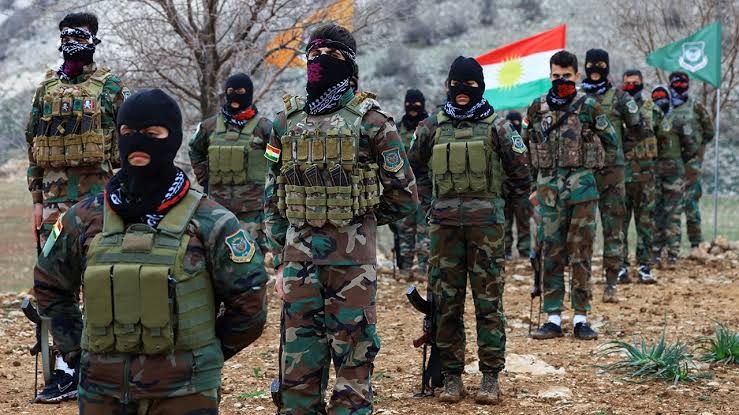
The talks were reportedly aimed at encouraging Iranian Kurdish groups to consider a ground operation inside Iran.
When asked whether the United States would provide air support to Kurdish fighters in such a scenario, Trump declined to give a clear answer.
The White House confirmed that the president spoke with Kurdish leaders but rejected claims that he approved a coordinated plan for an armed Kurdish uprising in Iran.
According to White House Press Secretary Karoline Leavitt, the calls were part of routine discussions with regional partners and focused partly on US military facilities in northern Iraq.
Since the conflict began, American installations in Erbil have reportedly faced repeated drone and missile attacks from Iran.
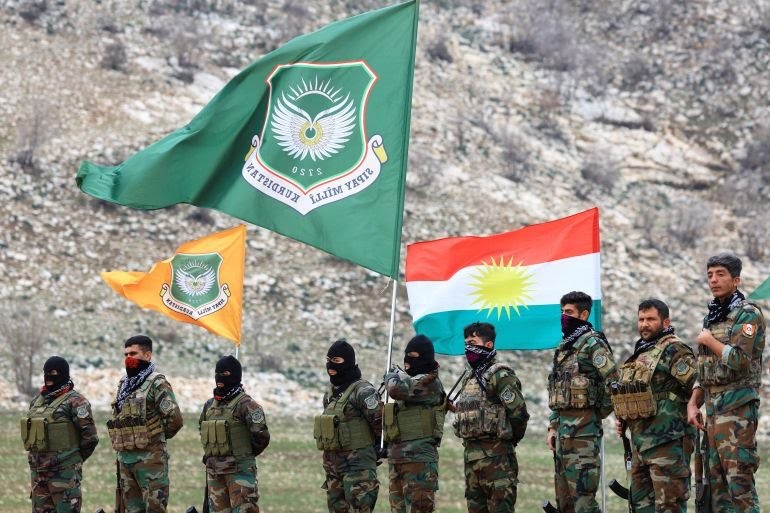
Millions of Kurds live in western Iran, forming a significant ethnic minority that also spans neighbouring countries including Iraq, Syria and Turkey.
Earlier this week, Mustafa Hijri, head of the Democratic Party of Iranian Kurdistan, urged Iranian soldiers, particularly those in Kurdish regions, to abandon their posts in the army and the Islamic Revolutionary Guard Corps.
Hijri argued that refusing service would both protect soldiers’ lives and signal rejection of the Iranian leadership.
Historically, the United States has at times encouraged Kurdish groups seeking autonomy to challenge governments it views as hostile. Critics note that in some cases Washington later withdrew support or failed to intervene when those groups faced retaliation.
Analysts warn that fuelling ethnic divisions inside Iran could risk triggering internal conflict and broader instability across the Middle East.
Meanwhile, Iranian state outlet Press TV reported that the IRGC launched missile and drone strikes against what it described as “anti-Iran groups” based in the Kurdish region of Iraq.
The Kurdistan Regional Government condemned the Iranian attacks but also denied being involved in any operation against Iran.
In a statement, the KRG said it is not participating in any effort to expand the war and instead supports regional stability and peace.
Despite repeated appeals from Trump urging Iranians to challenge their leadership, there have been no major protests inside Iran since hostilities escalated earlier in the week.
FURTHER READING