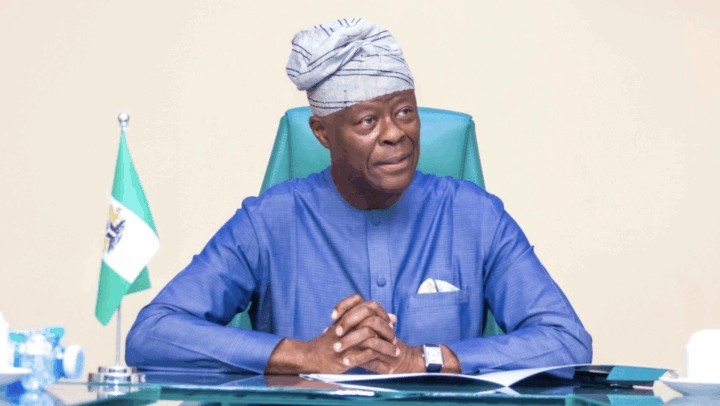
- Nigeria’s Economy Undergoing Reform, Not Collapse – Wale Edun
- Says Fiscal Outlook Improving
- Nigeria’s Rising Debt Mostly Due to Exchange Rate Effects
The Minister of Finance and Coordinating Minister of the Economy, Wale Edun, has said Nigeria is not facing a fiscal collapse but is undergoing a period of fiscal correction resulting from ongoing economic reforms by the Federal Government.
Eko Hot Blog reports that in a brief released on Saturday in Abuja, Edun explained that the current economic adjustments reflect structural reforms aimed at promoting transparency, strengthening fiscal discipline and supporting long-term economic growth.
EDITOR’S PICK
- Don’t Import Foreign Conflicts, Chief Imams Tell Nigerians
- Lagos Well Positioned for State Police Takeoff- LNSA GM
- Tinubu Approves ₦1trn Road Projects, Plans New Carter Bridge
He said the government deliberately adopted policies designed to ensure long-term sustainability rather than short-term measures that could create the illusion of stability.
“Nigeria is not experiencing fiscal collapse. It is undergoing fiscal correction. The reforms are structural, transparency-driven, discipline-enforcing and growth-enabling,” the minister stated.
According to Edun, available economic data show encouraging trends in key areas such as government revenue growth and continued execution of capital projects.
He also noted that the Federal Government has ended the practice of financing budget deficits through direct monetary support from the Central Bank of Nigeria.
“The evidence shows revenue is rising, capital projects are ongoing, debt growth is largely transparency and exchange-rate driven, and monetary financing has ended. The administration has chosen long-term sustainability over short-term illusion,” he said.
Edun further addressed concerns about government revenue performance, particularly regarding the activities of the Nigeria Revenue Service.
He explained that misunderstandings sometimes occur because of how federal revenue is collected and distributed across government institutions.
According to him, while the revenue service collects a significant portion of federal taxes and sets internal targets, it does not account for all government revenue sources.
He noted that allocation ratios are applied after revenue reaches the Budget Office and the Federation Account Allocation Committee, meaning that meeting the agency’s collection targets does not necessarily imply that overall federal revenue targets have been achieved.
The minister also dismissed claims that capital projects are not being implemented due to limited releases to ministries, departments and agencies (MDAs).
He explained that federal capital spending has two major components: projects funded directly from government revenue through MDAs and projects financed through loans from international development partners.
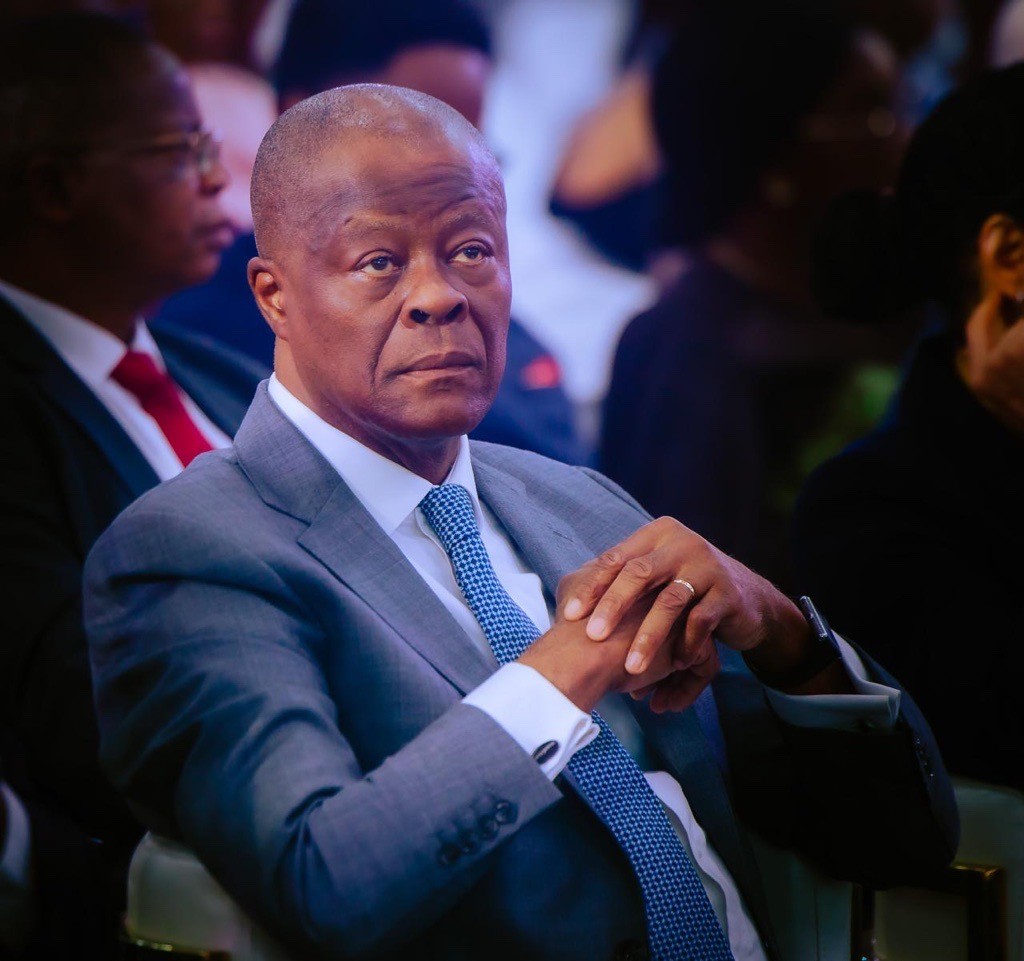
According to him, MDA-funded capital projects depend heavily on government revenue performance and can be affected by factors such as oil revenue shortfalls and rising debt servicing costs.
In contrast, projects financed through multilateral loans are disbursed directly by development partners and are tied to specific infrastructure or social programmes.
“Capital projects are ongoing. Execution continues. The financing mix differs. The misunderstanding arises from focusing solely on MDA cash releases rather than total capital execution,” Edun said.
The minister also addressed concerns over rising debt servicing costs, noting that the increases recorded in recent years were largely driven by economic factors rather than excessive borrowing.
He explained that the depreciation of the naira significantly increased the local currency cost of servicing Nigeria’s external debts, which are mostly denominated in foreign currencies.
“When the naira depreciates, the naira cost of servicing the same dollar debt rises automatically. This is a valuation effect and not evidence of new borrowing,” he said.
Edun added that higher domestic interest rates, introduced to curb inflation and stabilise the currency, also contributed to the rise in debt servicing costs.
Despite these pressures, he said the government continued to meet key obligations including debt servicing, payment of salaries and pensions, and the execution of capital projects without returning to monetary financing.
“This reflects fiscal discipline under strain, not fiscal collapse,” he said.
The minister further explained that a significant portion of the increase in Nigeria’s public debt is due to accounting adjustments and exchange rate changes.
According to him, about ₦30 trillion previously owed to the Central Bank of Nigeria under the Ways and Means facility was formally recognised and added to the country’s public debt records.
He also noted that the depreciation of the naira significantly increased the naira value of Nigeria’s external debt, adding that about ₦70 trillion of the nominal rise in public debt resulted from exchange rate valuation effects.
Edun said Nigeria’s fiscal health should be evaluated using broader economic indicators such as the debt-to-GDP ratio, debt service-to-revenue ratio and fiscal deficit trends.
He added that reforms including the removal of fuel subsidies, exchange rate liberalisation, the end of Ways and Means financing, tighter monetary policy and improved debt transparency are gradually strengthening the country’s fiscal position.
According to him, government revenue has recorded significant growth in recent years, rising from ₦12.48 trillion in 2023 to ₦20.98 trillion in 2024.
By November 2025, federal revenue had already reached about ₦22 trillion.
Edun attributed the growth to improved tax administration, stronger remittance discipline by government agencies, efforts to block revenue leakages and better performance from non-oil sectors.
“The direction is upward and structural,” he said.
The minister acknowledged that the economic pressures experienced in recent years reflect Nigeria’s transition from previous fiscal practices to a more transparent financial system.
He explained that the country is gradually moving away from an era characterised by hidden deficits and heavy reliance on monetary financing.
Despite short-term challenges, Edun maintained that the ongoing reforms are aimed at building a more stable and sustainable fiscal framework for Nigeria’s economy.
FURTHER READING
- Tinubu-Led FEC Revives Literacy Commission, Approves University Moratorium
- Obasanjo at 89: Tinubu Applauds Former President’s Service to Nigeria, Africa
- Tinubu Swears In Disu as 23rd Inspector-General of Police
Click here to watch video of the week