- Obi warned that continued inaction could encourage lawlessness and weaken the foundations of democratic governance
- Obi argued that democracy should allow people to organise, speak, and campaign freely without fear of violence
- He called on Nigerians and authorities to reject what he described as the growing culture of political thuggery
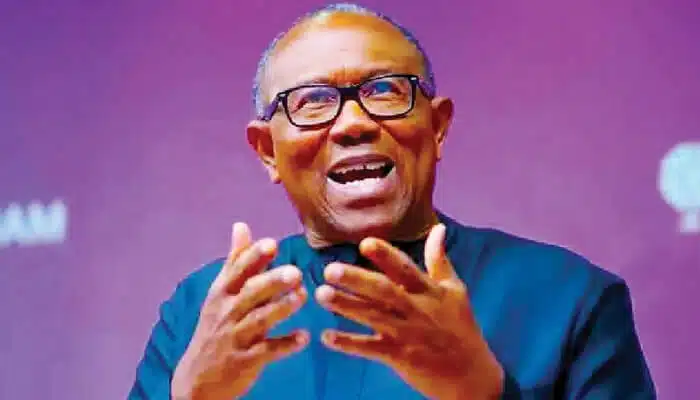
Former Anambra State governor and the 2023 presidential candidate of the Labour Party, Peter Obi, has warned that Nigeria risks sliding into a dangerous phase of political violence where intimidation and attacks are used to silence opposition voices.
Eko Hot Blog gathered that Obi made the remarks while condemning an alleged attack on Rotimi Amaechi and his supporters during a political gathering in Rivers State.
EDITOR’S PICK
- “Pay Her Transport Fare Too”, Pete Edochie Stirs Debate on Dating Expenses
- Epe Students Parliament Declares Executive Seats Vacant Over Inauguration Dispute
- Osimhen Warns Galatasaray Ahead of Liverpool Match
In a message shared on his verified social media account, Obi described the incident as a troubling sign of the weakening state of democracy in the country.
He said the reported attack on Amaechi’s convoy, along with the burning of offices belonging to the African Democratic Congress and repeated disruptions of political meetings across the country, reflect a growing pattern of political intimidation.
According to him, the inability of authorities to identify and prosecute those responsible for such actions raises serious concerns about the rule of law and the protection of democratic freedoms.
Obi warned that continued inaction could encourage lawlessness and weaken the foundations of democratic governance.
He added that if the situation persists without decisive intervention, citizens may eventually feel compelled to defend their political rights on their own.
The former presidential candidate stressed that a nation cannot truly claim to operate a democratic system if individuals are threatened or attacked for participating in political activities.
Obi argued that democracy should allow people to organise, speak, and campaign freely without fear of violence or intimidation.
He called on Nigerians and authorities to reject what he described as the growing culture of political thuggery, urging leaders to prioritise competence, accountability, and respect for the rule of law.
According to him, the country’s political system should encourage open participation and protect the rights of citizens to contribute to shaping Nigeria’s future through legitimate political engagement.
FURTHER READING