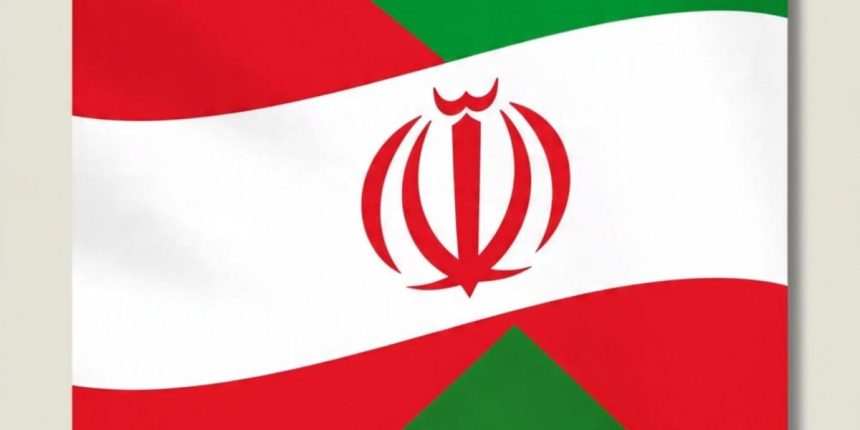
- The Islamic Revolutionary Guards Corps (IRGC) has vowed to halt all oil exports from the Middle East if U.S. and Israeli strikes against Iran continue.
- Brent crude prices spiked by 30%, reaching as high as $119 per barrel, the highest level since the 2022 invasion of Ukraine.
- The strategic Strait of Hormuz remains effectively shut, preventing tankers from transporting one-fifth of the world’s daily oil supply.
The Middle East has edged closer to a total energy standoff as Iran’s elite military force, the Islamic Revolutionary Guards Corps (IRGC), declared on Tuesday that it would prevent “one litre of oil” from being exported from the region if hostilities persist.
Eko Hot Blog reports that this escalation comes amid ongoing military strikes by the United States and Israel, which have already sent shockwaves through global markets.
EDITOR’S PICK
- 540 Candidates Cleared as Lagos APC Moves to Elect LGA Executives
- Court Sentences Pastor to Death for Killing UniUyo Student
- Lagos Teacher Questions Lack of Recognition for One-Day Governor Mentors
The threat specifically targets the Strait of Hormuz, a narrow but vital maritime corridor.
For over a week, the passage has been paralyzed, forcing major oil producers to halt pumping as storage facilities hit maximum capacity.
The IRGC’s stance is a direct challenge to global energy security, prompting a fierce response from U.S. President Donald Trump.
Speaking at a news conference, Trump warned that any attempt to block the waterway would meet with “overwhelming force,” stating the U.S. would hit Iran “twenty times harder” than it has in previous strikes.
Despite the aggressive rhetoric, Trump also expressed a confusingly optimistic outlook, suggesting the war, which he previously estimated would last four weeks ,could end much sooner following high-level discussions with Russian President Vladimir Putin.
The volatility has left investors reeling. On Sunday, Brent crude, the global benchmark, surged past the $100 mark, peaking at $119 as fears of a prolonged supply disruption took hold.
While Trump’s hints at a “quick end” to the conflict and potential sanction waivers for certain countries briefly calmed the markets, the underlying tension remains at a breaking point.
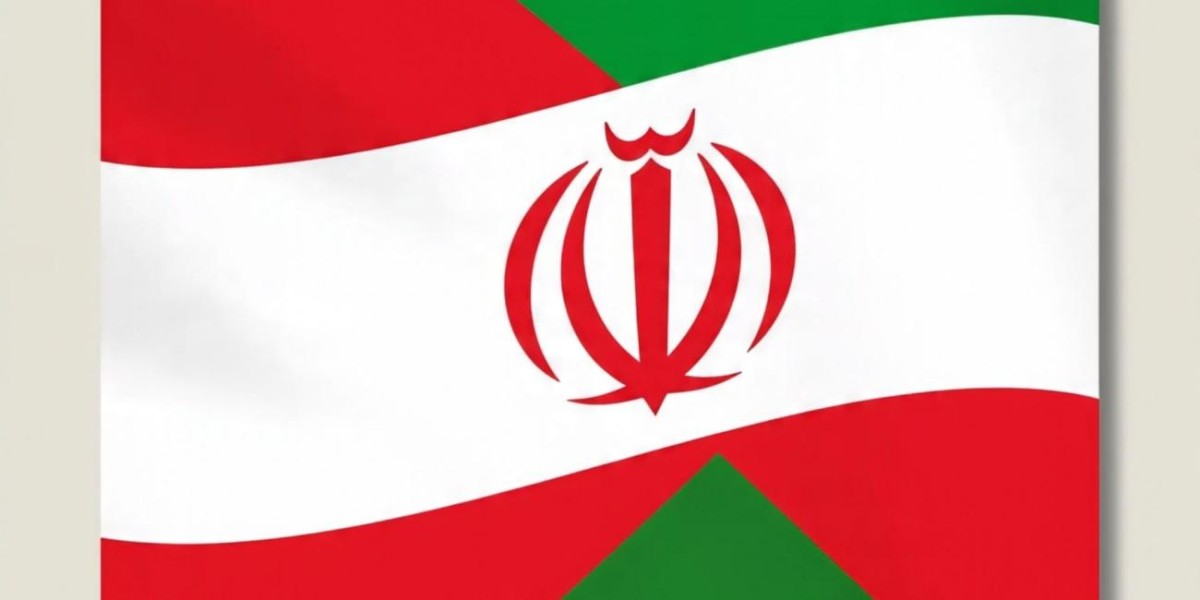
Adding to the complexity is Iran’s recent leadership transition. The appointment of Mojtaba Khamenei as the new Supreme Leader following the reported death of Ali Khamenei is seen by analysts as a signal of continued defiance.
While Israel maintains its goal is the removal of Iran’s clerical system, and the U.S. focuses on dismantling nuclear capabilities, the IRGC insists it will be the one to “determine the end of the war.”
For Nigeria and other oil-dependent nations, the surge in prices presents a double-edged sword: increased export revenue tempered by the global inflationary pressure on refined fuel and shipping costs.
As the world watches the Strait of Hormuz, the stability of the global economy hangs on whether diplomacy or further military escalation carries the day.