- The incident followed closely behind an earlier attack on Ras Laffan Industrial City
- Despite calls from European leaders urging restraint, attacks on strategic facilities have continued
- However, shortly after his comments were reported, authorities confirmed he had been killed in joint U.S.-Israeli strikes
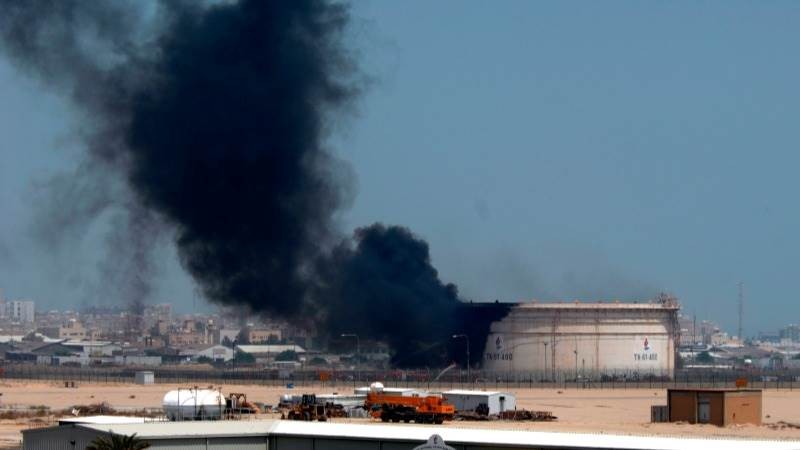
A major fire broke out Friday at a key oil installation in Kuwait after a suspected drone strike, as Iran intensified attacks across the Gulf, heightening fears about global energy supply disruptions.
Eko Hot Blog gathered that the blaze occurred at the Mina Al-Ahmadi Refinery, one of the country’s largest oil processing facilities, marking the latest in a series of strikes targeting vital energy infrastructure in the region.
EDITOR’S PICK
- Why Return of Lagos Monthly Sanitation Exercise is Long Overdue
- Four Killed as Truck Crashes Into Bus on Lekki–Epe Expressway
- Uzodimma: Tinubu Reforms Prevent Fuel Crisis
The incident followed closely behind an earlier attack on Ras Laffan Industrial City, a crucial hub for liquefied natural gas production.
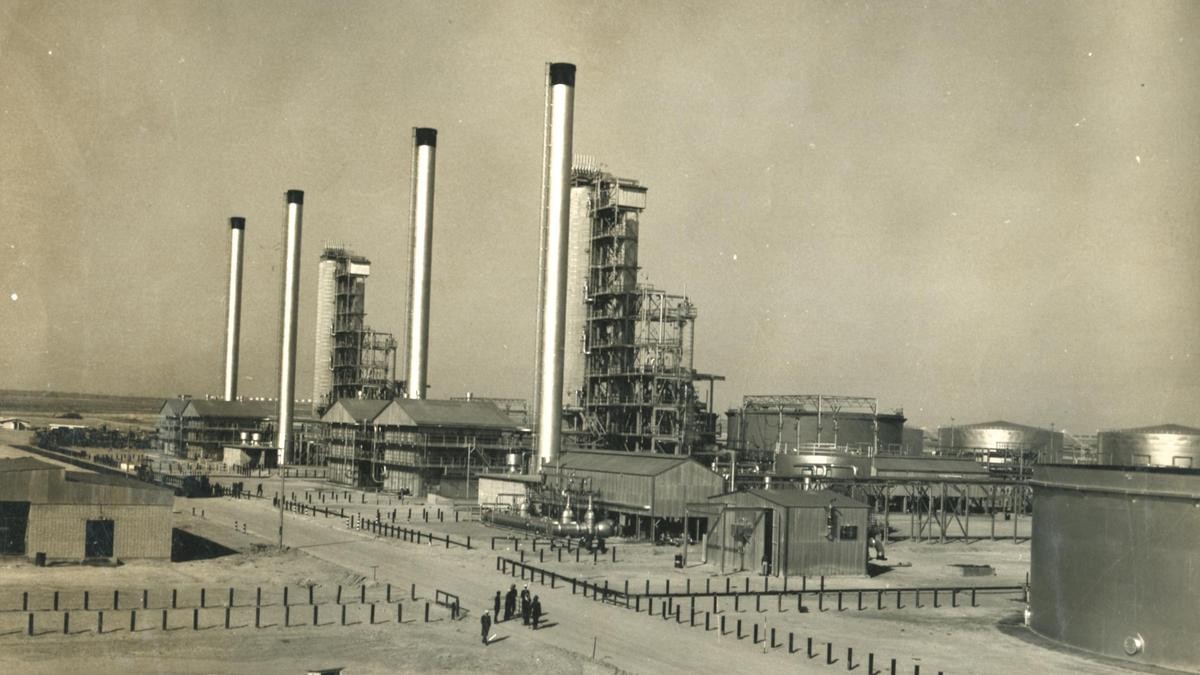
Tensions have escalated after Iran vowed to respond to an Israeli strike that damaged the South Pars Gas Field, one of the world’s largest natural gas reserves and central to Iran’s domestic energy needs.
Despite calls from European leaders urging restraint, attacks on strategic facilities have continued.
The Islamic Revolutionary Guard Corps insisted its military capabilities remain intact despite ongoing strikes. A spokesperson, Ali Mohammad Naini, had earlier claimed that missile production was continuing uninterrupted even under wartime pressure.
However, shortly after his comments were reported, authorities confirmed he had been killed in joint U.S.-Israeli strikes.
Meanwhile, Benjamin Netanyahu expressed confidence in Israel’s position, stating that the country and its allies were gaining the upper hand.
He suggested the conflict might conclude sooner than expected, though he also hinted at the possibility of further escalation, including ground operations.
The ongoing violence has unsettled global markets, with analysts warning that sustained damage to oil and gas infrastructure could trigger long-term economic consequences.
The earlier strike on Qatar’s gas facility reportedly caused severe damage, with potential annual losses running into tens of billions of dollars and repairs expected to take years.
Energy expert Robert Pape cautioned that prolonged disruption could spark a broader global economic crisis, noting that while short-term interruptions affect prices, lasting damage could have far-reaching impacts.
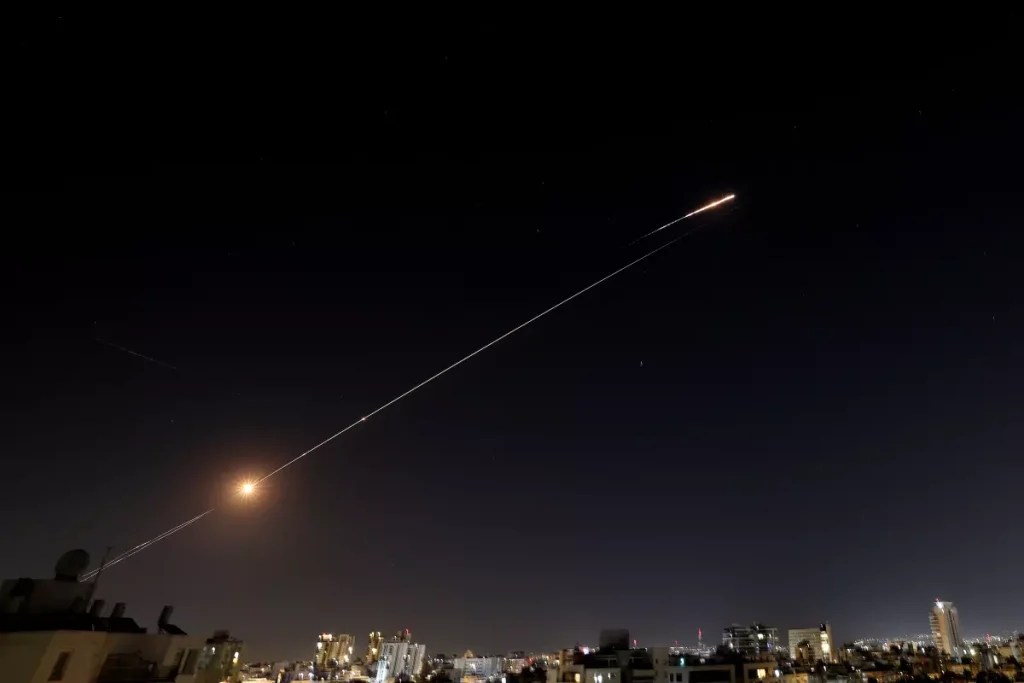
Oil prices have fluctuated amid the uncertainty. While initial comments from Israeli leadership briefly eased market concerns, news of the Kuwait refinery fire pushed prices higher again, reflecting continued instability.
At the heart of global anxiety is the Strait of Hormuz, a critical shipping route through which a significant share of the world’s oil and gas passes. Any disruption there could have severe consequences for international energy markets.
Emmanuel Macron indicated that France would engage members of the United Nations Security Council to address maritime security in the strait once tensions ease.
Iranian state media reported fresh missile strikes targeting Israel, with explosions heard over Jerusalem, though no immediate casualties were confirmed.
Elsewhere, the United Arab Emirates reported missile activity, while Saudi Arabia said it intercepted multiple drones.
The conflict has also intensified in Lebanon, where Israeli airstrikes have increased following rocket fire from Hezbollah. Authorities say over 1,000 people have been killed in strikes affecting several regions, including Beirut.
Joseph Aoun renewed calls for a ceasefire during talks with Jean-Noel Barrot, urging diplomatic efforts to end the violence.
Across the region, celebrations marking Eid al-Fitr and Nowruz have been overshadowed by the ongoing conflict and economic hardship. In Beirut, residents described a subdued atmosphere, with many families cancelling festivities due to insecurity and financial strain.
In Iran, some citizens expressed cautious hope that the new year would begin without further attacks, even as uncertainty continues to loom over the region.
FURTHER READING