
- the common entrance exam will be gradually discontinued and substituted with a continuous assessment approach
- Alausa noted that this reform is intended to close gaps in the transition from primary to junior secondary school
- He stressed the need for state governments to invest in building more schools and expanding capacity
The Federal Government has revealed plans to eliminate the Junior Secondary School Common Entrance Examination and replace it with a new system that includes a Learner Identification Number to monitor pupils throughout their schooling.
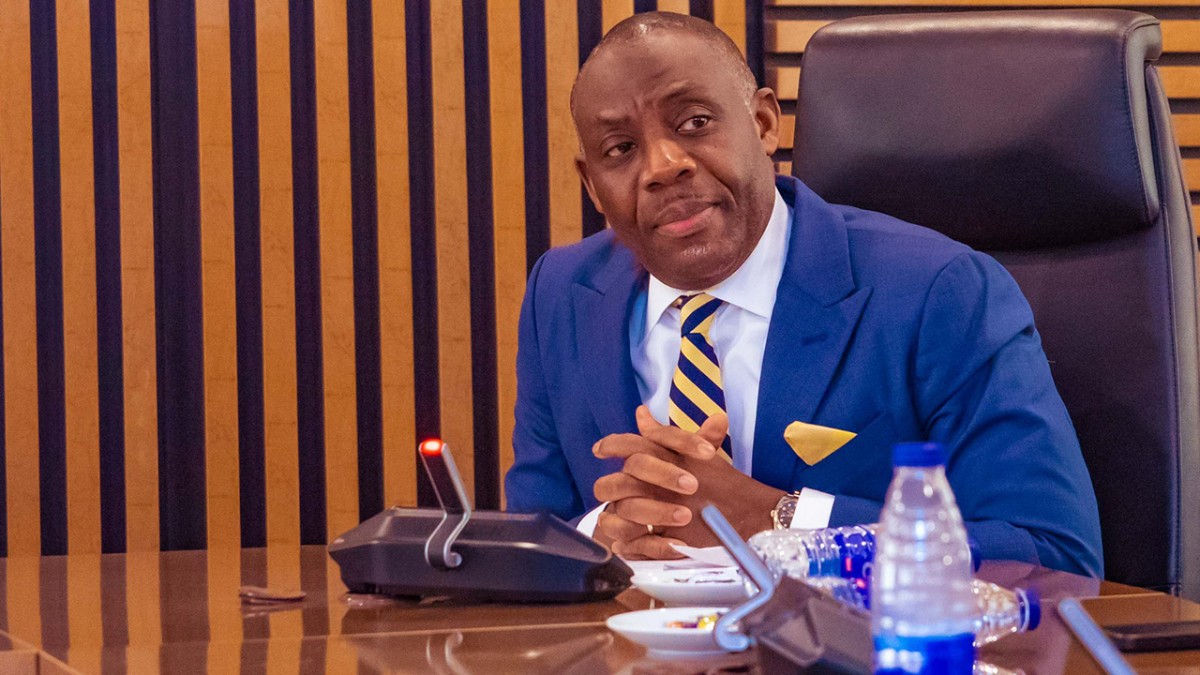
Eko Hot Blog gathered that Minister of Education, Tunji Alausa, made this known during a media interaction in Lagos on Saturday.
EDITOR’S PICK
- Why Return of Lagos Monthly Sanitation Exercise is Long Overdue
- Four Killed as Truck Crashes Into Bus on Lekki–Epe Expressway
- Uzodimma: Tinubu Reforms Prevent Fuel Crisis
He explained that the changes are designed to expand access to education and improve how students are tracked across the country.
Under the proposal, the common entrance exam will be gradually discontinued and substituted with a continuous assessment approach.
This method will evaluate pupils based on their academic performance from their early years in primary school and will follow them even if they change schools.
Alausa noted that this reform is intended to close gaps in the transition from primary to junior secondary school, particularly addressing the high number of pupils who do not move on to the next level.
He highlighted that although more than 23 million children are enrolled in over 50,000 public primary schools nationwide, only slightly above 3 million proceed to public junior secondary schools.
This, he said, raises concerns about the whereabouts of the remaining millions who are not accounted for in the public secondary system.
According to him, the situation underscores a significant access challenge, adding that private schools cannot absorb all affected pupils.
He stressed the need for state governments to invest in building more schools and expanding capacity, noting that discussions have already been held with the Nigerian Governors’ Forum on this issue.
To improve monitoring, the government plans to assign each pupil a unique Learner Identification Number from the primary level.
This identifier will remain with the student regardless of school transfers, allowing authorities to track their academic progress and identify those who drop out.
The minister explained that the system would make it easier to determine why a child expected to be in a particular class is no longer in school.
He also mentioned that efforts are underway to revive the school feeding programme as a way to encourage enrolment and retention in public schools.
There are considerations to move the initiative under the Federal Ministry of Education to enhance oversight.
Overall, the proposed measures are part of wider reforms aimed at strengthening the education sector, increasing student retention, and ensuring more children complete their basic education.
FURTHER READING