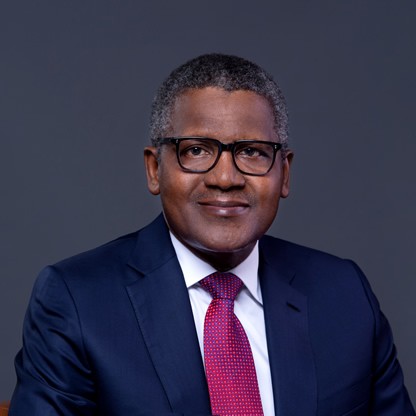
- Billionaire industrialist Aliko Dangote has warned that if the Middle East conflict does not de-escalate, Nigeria may be forced to adopt COVID-era work-from-home restrictions due to soaring energy costs and oil price volatility.
- Dangote pointed to Indonesia, where workers have already been moved to a four-day week, as a potential roadmap for African nations struggling with the disproportionate impact of a crisis they did not involve themselves in.
- Despite the warnings, Dangote hailed President Bola Tinubu’s recent UK visit, specifically citing a £746 million infrastructure agreement as a major confidence booster that could open doors for more European investment.
Chairman and CEO of the Dangote Group, Aliko Dangote, has voiced deep concerns over the economic fallout of the ongoing Middle East war on the African continent.
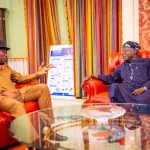
Eko Hot Blog reports that speaking after a private meeting with President Bola Tinubu at his Ikoyi residence on Monday, March 23, 2026, Dangote emphasized that the volatility in global oil prices is placing an unbearable burden on nations already saddled with significant debt.
EDITOR’S PICK
- Ogun Begins Crackdown on Illegal Parks at Sango Border Over Rising Accidents
- Police Nab 30-Year-Old ‘Super M’ During Stop-and-Search in Lagos
- LASG Launches Investigation Into Cosmetic Surgery Death
He noted that many Africans live on daily earnings and warned that if transportation and energy costs continue to climb, governments may have no choice but to mandate remote work to save citizens from financial ruin.
“If this thing doesn’t de-escalate, you know, normally we in Africa, we don’t have any reserves in terms of savings,” Dangote stated.
He explained that small business owners, including barbers, bakers, and factory operators who rely on generators are already feeling the “pinch” of rising fuel prices.
He cited the example of other developing nations currently considering a full return to remote work arrangements similar to those seen during the 2020 pandemic to mitigate the strain on the general population.
However, the meeting also touched on positive developments regarding Nigeria’s international standing.
Dangote expressed significant optimism following the President’s two-day state visit to the United Kingdom.
He highlighted the landmark infrastructure agreement funded by UK Export Finance as a turning point for Nigerian business.
According to Dangote, the deal is less about the £746 million figure and more about the “confidence” it signals to the global market, predicting that Germany and other European powers will likely follow suit with their own investment packages.
The industrialist also revealed that the UK Export Finance agency is now effectively “open for business” for private Nigerian investors, a resource that has historically been difficult to access.
As Nigeria continues to navigate the complexities of being an oil-producer that remains vulnerable to global price swings due to its reliance on imported refined products, Dangote called for “all hands on deck” to pray for a peaceful resolution to the Middle East crisis.
He concluded that while the current situation is difficult, the renewed interest from international partners provides a much-needed silver lining for the country’s economic future.