- He noted that Nigeria currently has about 15 million out-of-school children
- He stressed that education remains one of the most impactful investments for national development
- The minister further underscored the importance of private sector involvement, noting that stronger collaboration
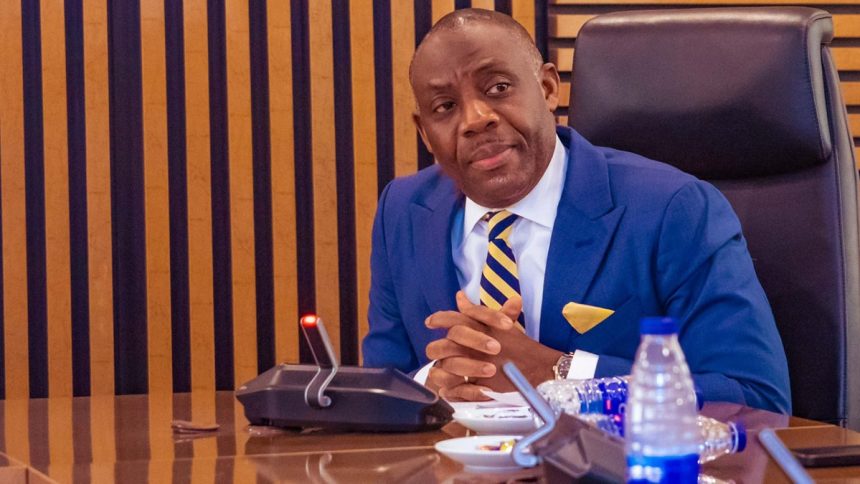
Minister of Education, Tunji Alausa, has highlighted the scale of investment required to address Nigeria’s education challenges, revealing that about $345 million is needed annually to tackle the country’s out-of-school children crisis.
Speaking at a high-level engagement with private sector stakeholders in Lagos, Eko Hot Blog reports that Alausa said the Nigeria Education Sector Renewal Initiative (NESRI) is central to repositioning the nation’s education system for competitiveness and inclusive growth.
EDITOR’S PICK
- Why Return of Lagos Monthly Sanitation Exercise is Long Overdue
- Four Killed as Truck Crashes Into Bus on Lekki–Epe Expressway
- Uzodimma: Tinubu Reforms Prevent Fuel Crisis
He noted that Nigeria currently has about 15 million out-of-school children but disclosed that recent interventions have helped return roughly one million children to classrooms within the past year.
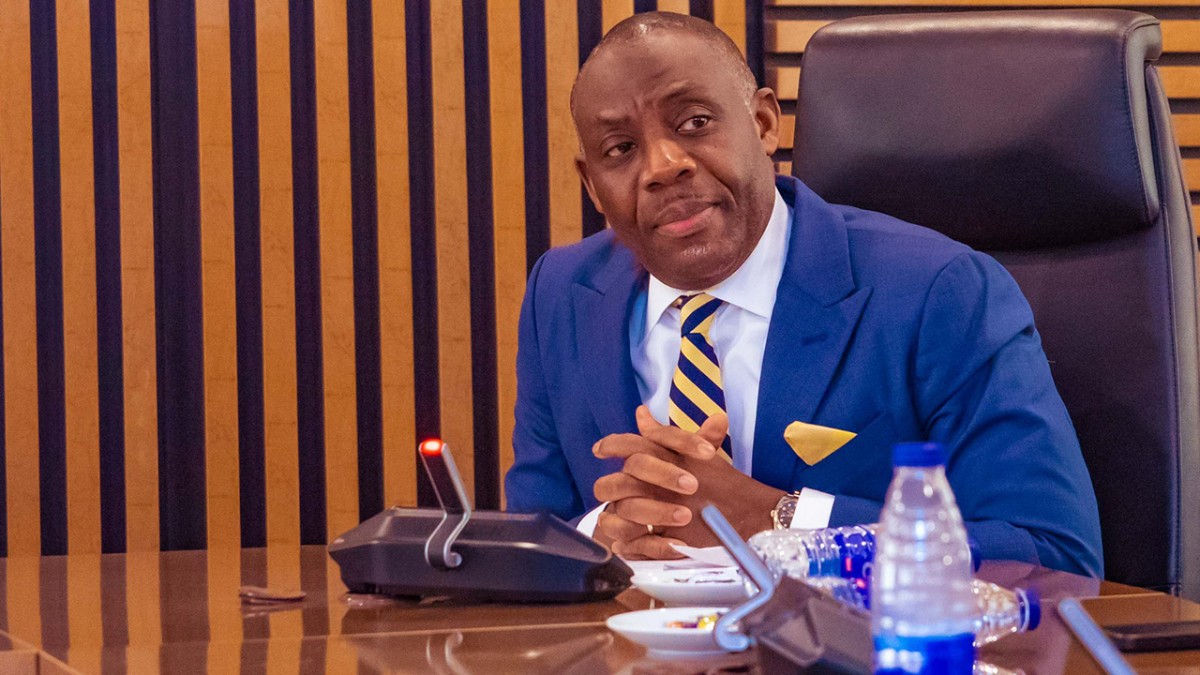
The minister outlined key focus areas under the reform agenda, including expanding technical and vocational education, promoting science and technology learning, strengthening digital systems, improving quality assurance, and enhancing collaboration across all levels of government and with private sector partners.
Alausa also pointed to Nigeria’s partnership with the Global Partnership for Education, which could unlock up to $500 million to support foundational learning and reduce learning poverty.
He stressed that education remains one of the most impactful investments for national development, adding that the administration of President Bola Tinubu is committed to ensuring access to quality education through sustained reforms.
The minister further underscored the importance of private sector involvement, noting that stronger collaboration, improved governance, and transparent funding mechanisms are essential to achieving measurable results in the sector.
He added that ongoing efforts, including support from the World Bank, would strengthen implementation frameworks and ensure accountability in delivering education reforms across the country.
FURTHER READING