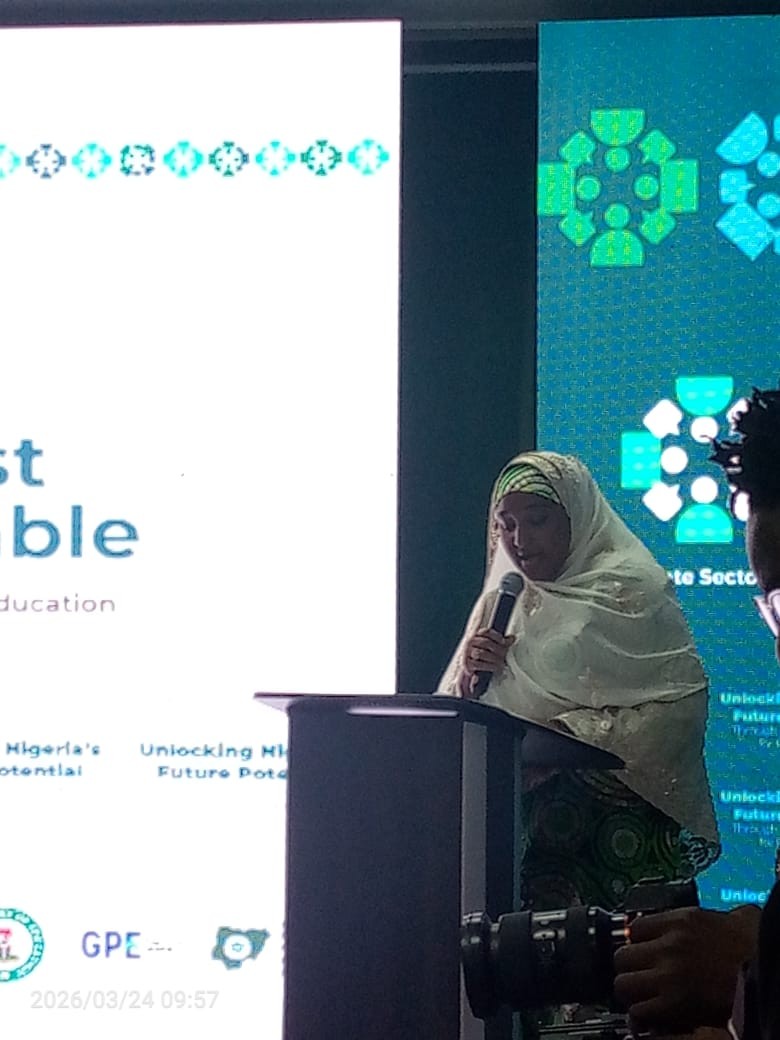
- She noted that education remains central to national development
- According to the minister, the convening was designed to deepen engagement between the government and private sector
- She explained that the initiative aligns with the Renewed Hope Agenda of President Bola Tinubu
The Federal Government has reaffirmed its commitment to strengthening Nigeria’s education system through increased collaboration with private sector stakeholders, as it hosted its inaugural Education Private Sector Breakfast Convening in Lagos.
Speaking at the event held at The George Hotel, Eko Hot Blog gathered that the Minister of State for Education, Suwaiba Said Ahmad, emphasised the need for stronger partnerships to drive meaningful reforms across the sector.
EDITOR’S PICK
- Why Return of Lagos Monthly Sanitation Exercise is Long Overdue
- Four Killed as Truck Crashes Into Bus on Lekki–Epe Expressway
- Uzodimma: Tinubu Reforms Prevent Fuel Crisis
She noted that education remains central to national development, stressing that sustainable growth cannot be achieved without a robust, inclusive, and future-oriented system.
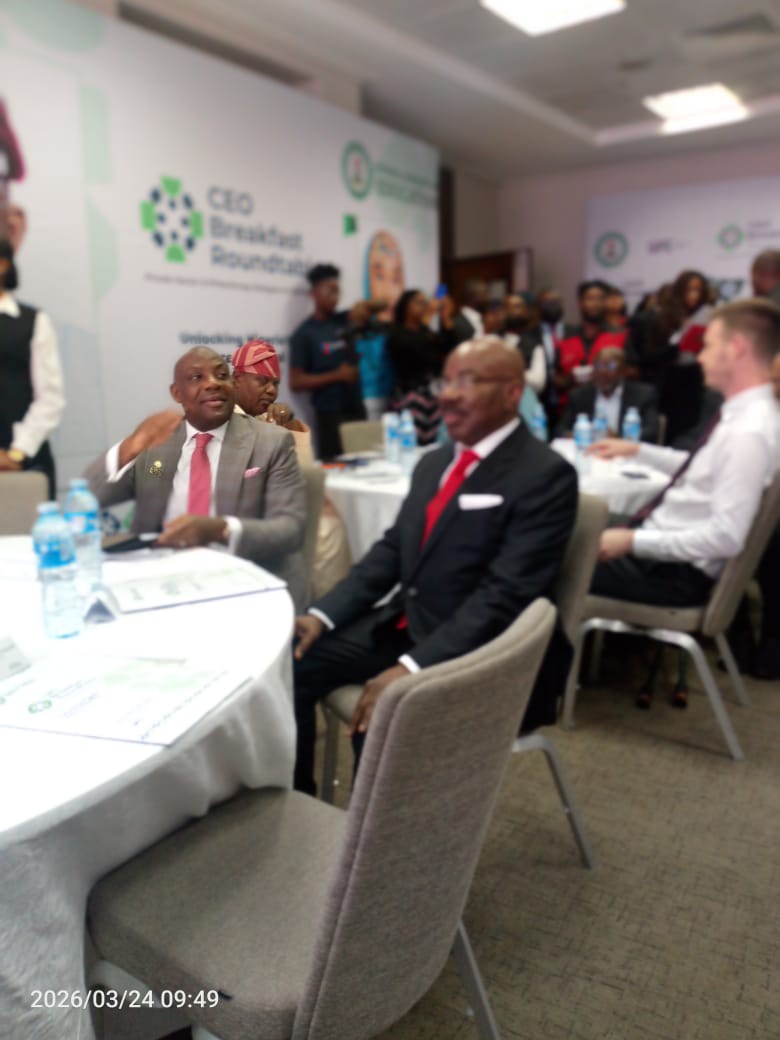
According to the minister, the convening was designed to deepen engagement between the government and private sector, while encouraging innovative solutions to challenges facing the education system.
Ahmad highlighted the role of the Global Partnership for Education (GPE), whose support she said has been instrumental in advancing reforms under the Nigeria Education Sector Renewal Initiative (NESRI).
She explained that the initiative aligns with the Renewed Hope Agenda of President Bola Tinubu, which prioritises human capital development as a key driver of national progress.
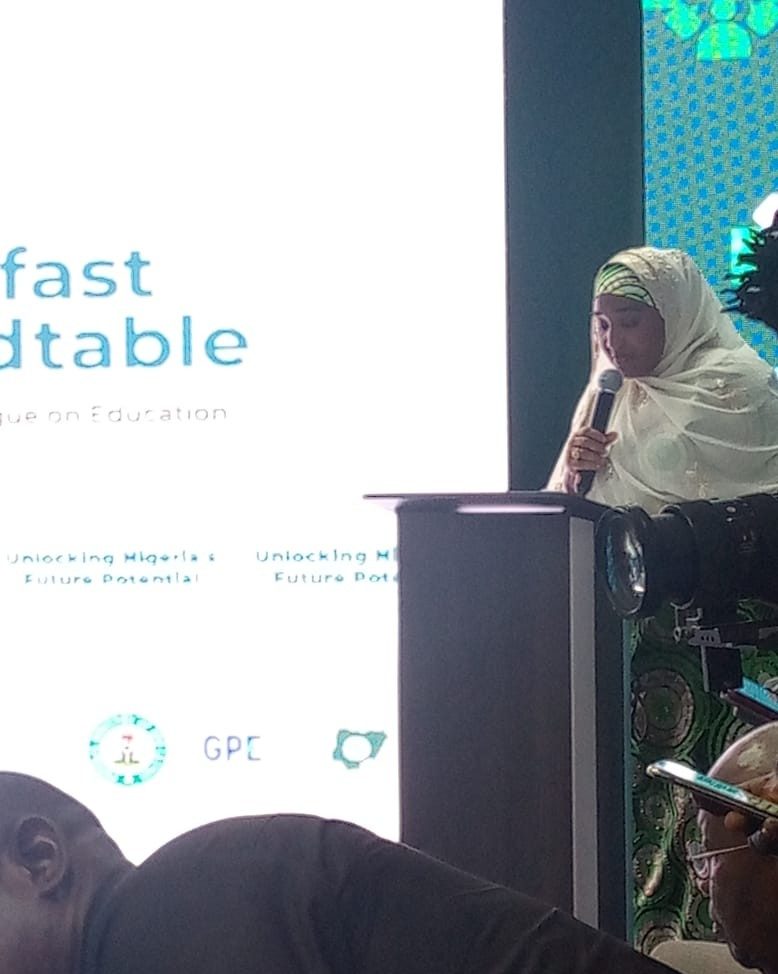
Through NESRI, the government is implementing reforms aimed at improving access to education, enhancing quality, promoting equity, and expanding digital learning opportunities, alongside strengthening teacher development and institutional capacity.
The minister added that early implementation of the initiative has already begun to yield positive results, including improved coordination among stakeholders and increased interest from private sector players.
However, she stressed that government efforts alone are insufficient to achieve the scale of transformation required, noting that private sector participation is crucial in areas such as infrastructure development, innovation, skills acquisition, and aligning education with labour market demands.
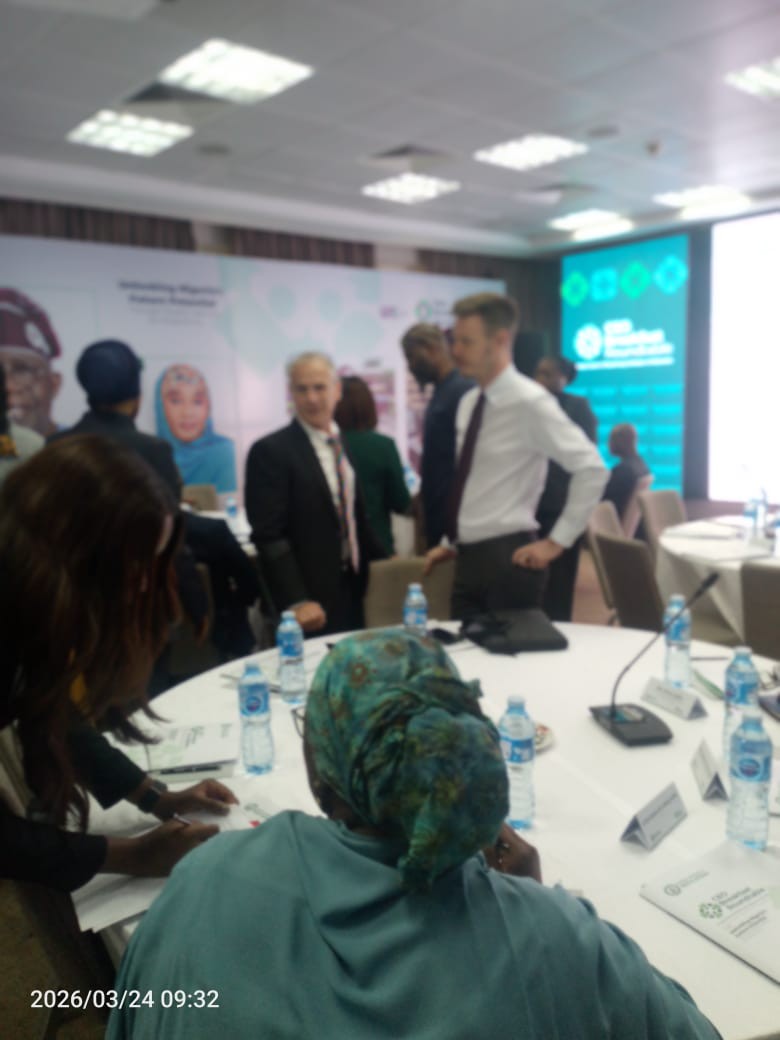
Ahmad called for practical partnerships that go beyond discussions, urging stakeholders to explore collaboration in technical and vocational education, research, education financing, and digital innovation.
She assured participants that the Federal Ministry of Education would continue to provide a supportive policy environment to encourage transparency, accountability, and private sector investment in education.
The event brought together development partners, industry leaders, and education stakeholders to explore strategies for improving learning outcomes and expanding access to quality education in Nigeria.
FURTHER READING