- Cement prices rise 367 percent worsening Nigeria housing crisis
- Report links increase to market concentration and rising costs
- FCCPC begins investigation into cement pricing practices nationwide
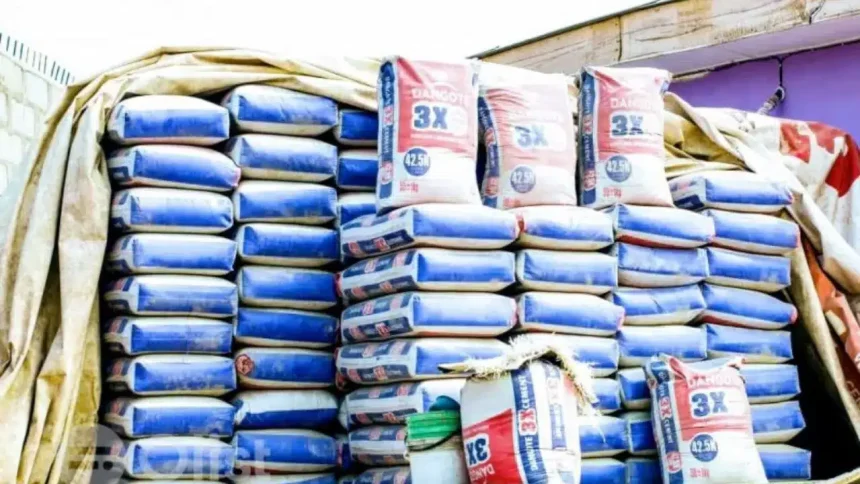
The price of a 50kg bag of cement in Nigeria has risen by as much as 367 per cent over the past seven years, worsening the country’s housing crisis and pushing construction costs to record levels.
EDITOR’S PICKS
- Judge Frees 37 Inmates Over Prolonged Detention in Akwa Ibom
- Trump Threatens Iran Over Energy Attacks
- Tinubu Excludes Kemi Badenoch from UK State Visit Itinerary
EKO HOT BLOG reports that
Findings showed that cement, a key building material, which sold between ₦2,500 and ₦3,000 before 2020, now sells for as high as ₦15,000 as of March 2026.
A report by PropComms Africa titled “Build Cost, Broken Market” revealed that prices have increased steadily, with a sharp rise recorded in recent months.
Breakdown of Cement Price Growth (2019–2026)
• Pre 2020: ₦2,500 to ₦3,000
• 2021: ₦3,300 to ₦3,500
• 2022: ₦5,500 to ₦8,000
• February 2024: ₦10,000 to ₦14,000
• Q4 2025: ₦10,000 to ₦10,500
• January 2026: ₦10,000 to ₦10,500
• March 2026: ₦11,500 to ₦15,000
The report stated that the latest increase represents about a 30 per cent rise within the first quarter of 2026 alone.
“Prices that had settled at approximately ₦10,500 in Q4 2025 resumed their climb sharply. Manufacturers added ₦500 per bag in January 2026 alone when new tax measures took effect,” the report said.
It warned that the persistent rise in cement and other building materials is severely affecting the housing sector.
“Projects are being abandoned, budgets renegotiated, and housing supply is contracting precisely when Nigeria’s reported 28 million unit deficit demands the opposite,” the report noted.
It added that urban rents have more than doubled, while homeownership has become increasingly unaffordable for low and middle income earners.
The report also highlighted increases in other construction materials, noting that steel prices have risen by about 20 per cent, sharp sand by 25 per cent, and iron rods by over 120 per cent in some periods.
Analysts said these rising costs are compounding challenges for developers and prospective homeowners.
PropComms Africa identified market concentration as a key driver, noting that Dangote Cement, BUA Cement and Lafarge Africa control more than 95 per cent of the domestic market.
While manufacturers have blamed energy costs, foreign exchange volatility, logistics challenges and taxes, the report said these factors do not fully explain the scale of the increase.
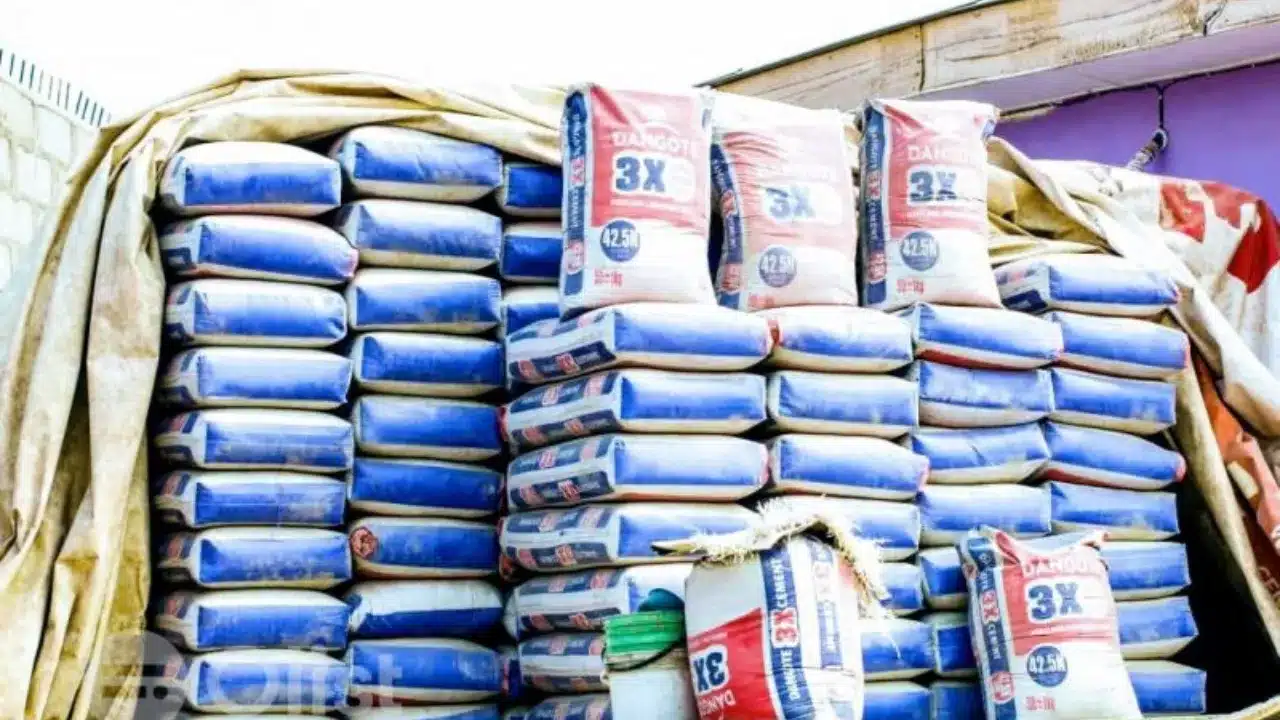
“Market concentration and the systematic absence of competitive pressure in the sector” are largely responsible, it stated.
FURTHER READING
- AUATON Calls on Lagos Assembly to Address Ride-Hailing Challenges
- Two Students, Teacher Escape Death in Onipanu Road Accident
- Anthony Joshua Resumes Training Camp Ahead Of Summer Return