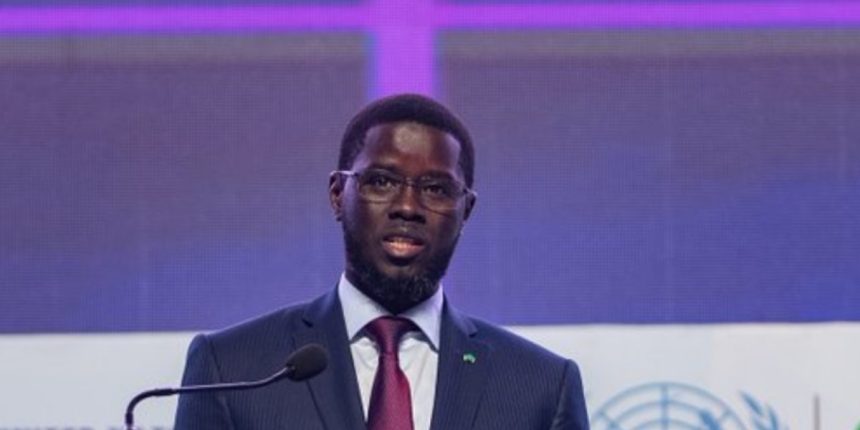
- President Bassirou Diomaye Faye has signed a law increasing the maximum prison sentence for same-sex relations from five to 10 years.
- The new legislation introduces prison terms of three to seven years for individuals found guilty of promoting or financing same-sex relationships.
- United Nations High Commissioner for Human Rights Volker Turk has condemned the move, describing the law as “deeply worrying” and a violation of fundamental human rights.
Senegalese President Bassirou Diomaye Faye has officially approved a controversial bill that significantly toughens the country’s stance on LGBTQ individuals.
Eko Hot Blog reports that the law, published in the official journal on Tuesday, March 31, 2026, marks a major escalation in the crackdown on the gay community in the Muslim-majority West African nation.
EDITOR’S PICKS
- Judge Frees 37 Inmates Over Prolonged Detention in Akwa Ibom
- Trump Threatens Iran Over Energy Attacks
- Tinubu Excludes Kemi Badenoch from UK State Visit Itinerary
Under the new legal framework, “acts against nature”, the term used by Senegalese law to describe same-sex relations, now carry a prison sentence of five to 10 years, doubling the previous maximum of five years.
Financial penalties have also seen a massive hike, with fines now ranging from 2 million to 10 million CFA francs (approximately $3,500 to $17,600), up from a previous maximum of 1.5 million CFA francs.
The legislation received overwhelming support in the National Assembly earlier this month, with 135 lawmakers voting in favor and none against.
Beyond physical acts, the law targets the support structure of the LGBTQ community, prescribing three to seven years in prison for anyone accused of “promoting or financing” such relationships.
However, it does include a provision to penalize false accusations made without proof.
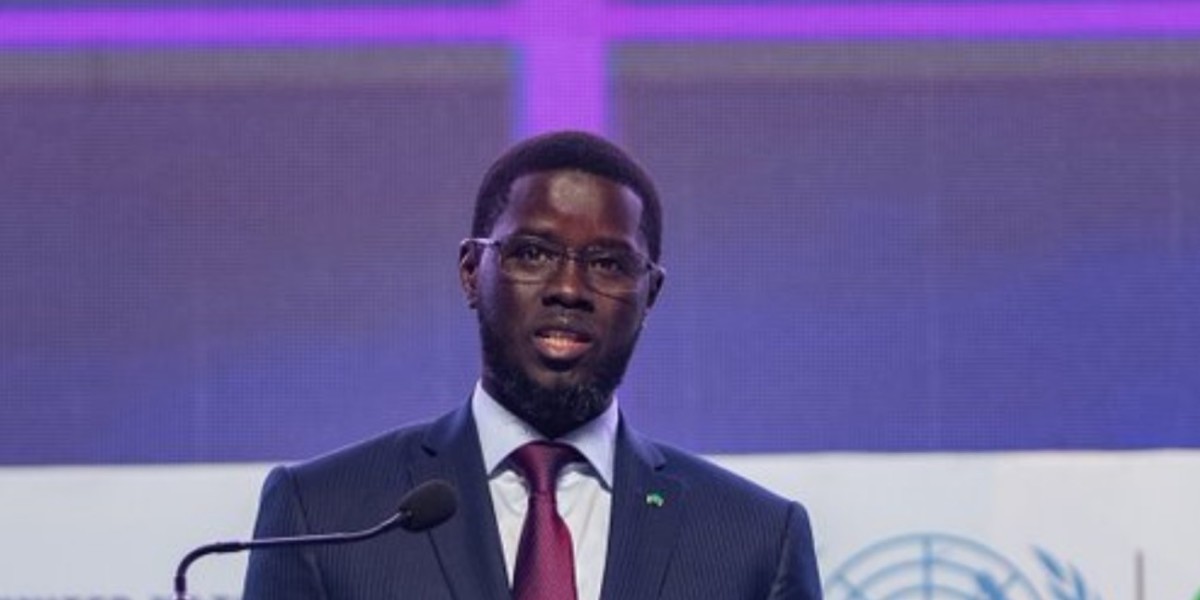
The move comes as enforcement actions have already intensified on the ground. Since February, dozens of men have been arrested based on accusations and phone searches.
Religious and conservative groups in Senegal have long pressured the government for these changes, often framing gay rights advocacy as an attempt by Western nations to impose foreign values on their society.
While international advocacy groups like ILGA World urged President Faye to uphold individual liberties, the president followed through on a legislative direction supported by influential figures like Prime Minister Ousmane Sonko.
The United Nations has warned that the law “flies in the face of sacrosanct human rights,” expressing concern over the safety and dignity of marginalized groups in the country.