- Daniel Bwala, Special Adviser to the President on Policy Communication, has categorically denied ever calling President Bola Tinubu a “drug lord,” challenging critics to produce video evidence.
- Bwala clarified that a viral comment regarding a “30-year” timeline referred to flawed government policies, not the President’s tenure, during a 2023 interview.
- The presidential aide criticized mainstream media for treating unverified social media content as factual, urging a return to ethical verification and primary source research.
Daniel Bwala, the Special Adviser to the President on Policy Communication and Media, has addressed long-standing social media allegations, denying that he ever characterized President Bola Tinubu as a “drug lord.”
Eko Hot Blog reports that speaking in an interview with News Central on Monday, Bwala described the claims as products of social media distortion that were unfortunately amplified by mainstream news outlets without proper verification.
EDITOR’S PICKS
- Judge Frees 37 Inmates Over Prolonged Detention in Akwa Ibom
- Trump Threatens Iran Over Energy Attacks
- Tinubu Excludes Kemi Badenoch from UK State Visit Itinerary
He expressed a willingness to halt the interview immediately if his critics could produce any authenticated video evidence of him making such a statement.
Bwala also took the opportunity to clear the air regarding another controversial remark attributed to him: the claim that giving Tinubu 30 years in office would change nothing.
Tracing the origin of this statement to a Channels Television interview on Christmas Day 2023, Bwala explained that his critique was directed at policy, not the individual.
He stated that his actual words were focused on the idea that “where a policy is fundamentally flawed, 30 years will not correct it,” arguing that his remarks were stripped of their original context to fuel a social media narrative.
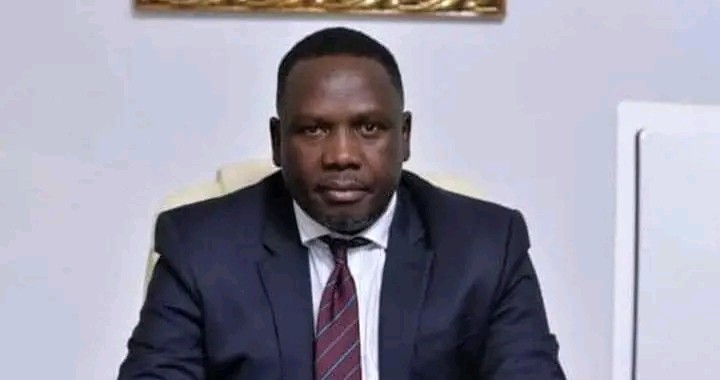
Throughout the interview, Bwala was vocal about the current state of Nigerian journalism.
He lamented a “downward spiral” where social media vitriol often sets the agenda for traditional television and print houses.
He compared the necessity of journalistic verification to academic research, noting that it is insufficient to simply cite a reference; one must consult the original “book” or primary source to understand the author’s true intent and context.
He warned that the good work of responsible journalists is being overshadowed by a minority focused on monetizing outrage.
Despite his firm stance, Bwala’s denials have been met with skepticism from some quarters of the public. Social media users have since circulated older clips from his time as a spokesperson for Atiku Abubakar’s 2023 campaign, accusing the aide of political inconsistency.
Bwala, however, maintains that he has always rejected such harsh characterizations of the President and remains committed to his current role in policy communication.