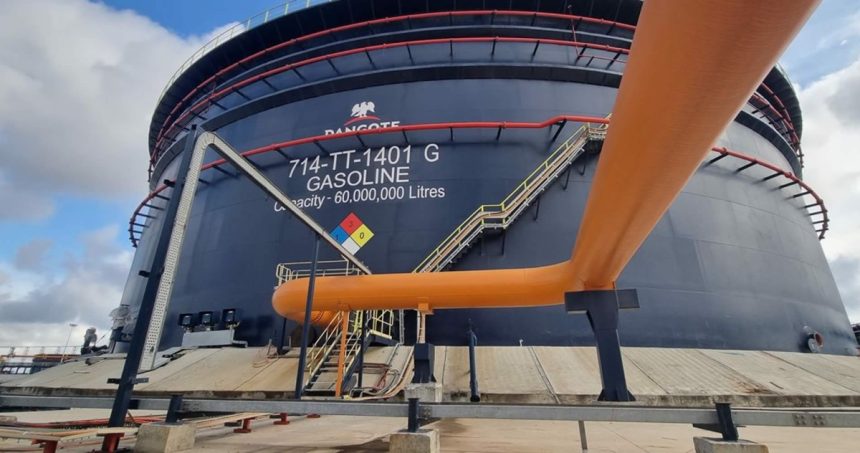
- JUST IN: Diesel Edges Toward N2,000 as Dangote Revises Prices Upward
- Under the new pricing structure, petrol rose by N75 per litre to N1,275, reflecting an increase of about 5.02 per cent, while diesel jumped by N200 per litre to N1,950
- Industry data also supports the increase, showing a 5.02 per cent rise in petrol prices at the gantry level
The Dangote Petroleum Refinery has again increased the gantry prices of petrol and diesel, adding fresh pressure on consumers and businesses across Nigeria.
Eko Hot Blog reports that a senior official at the refinery confirmed the adjustment on Tuesday night, attributing the move to prevailing international crude oil benchmarks and broader market realities.
EDITOR’S PICK
- Drama as Expectant Mother Delivers Twin Boys in Bush in Benue
- Nigeria Can Overcome Its Challenges – Obasa
- Tinubu Approves ₦3.3 Trillion Plan to Clear Power Sector Debts
Under the new pricing structure, petrol rose by N75 per litre to N1,275, reflecting an increase of about 5.02 per cent, while diesel jumped by N200 per litre to N1,950.
This represents a notable rise from last month’s prices of N1,200 per litre for petrol and N1,750 for diesel, with diesel now nearing the N2,000 per litre threshold, a development expected to further strain operating costs across sectors.
According to the official, the adjustment aligns with global market trends, particularly ongoing tensions in the Middle East, which have disrupted crude oil supply dynamics and driven price volatility.
“These are external factors that directly influence refined product pricing,” the official said, noting that both petrol and diesel adjustments reflect current international realities
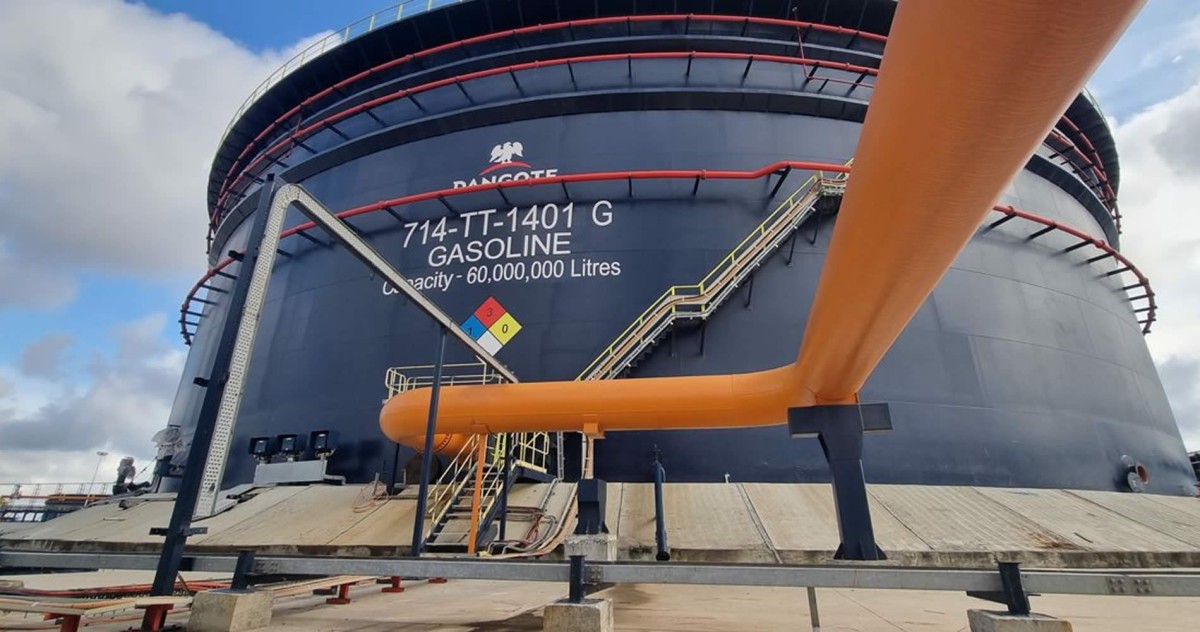
Industry data also supports the increase, showing a 5.02 per cent rise in petrol prices at the gantry level.
The development comes amid expectations that increased local refining capacity would help stabilise fuel prices. However, Nigeria remains vulnerable to global oil price fluctuations due to its reliance on international crude benchmarks.
Market watchers warn that the latest hike may lead to higher pump prices nationwide, as marketers are likely to transfer the additional costs to consumers.
Despite being an oil-producing nation, Nigeria operates a deregulated downstream sector, where fuel prices are influenced by global crude prices, exchange rates, logistics, and refining costs.
While the refinery was expected to reduce dependence on imports and ease price volatility, experts say domestic fuel pricing will continue to respond to global market shifts as long as crude pricing remains internationally benchmarked.
The latest increase is also raising concerns about affordability, with many Nigerians already facing high transportation and energy costs. Analysts warn that sustained increases could worsen inflationary pressures and slow economic recovery.
FURTHER READING
- Tragedy in Jigawa as Man Allegedly Sets Father on Fire
- Drama as Expectant Mother Delivers Twin Boys in Bush in Benue
- UK Govt Officials Visits Lagos Multi-Door Courthouse for ADR Learning
Click here to watch video of the week
https://youtu.be/MiuEWwKIBwI?si=CQc8BFb1lTipihF6