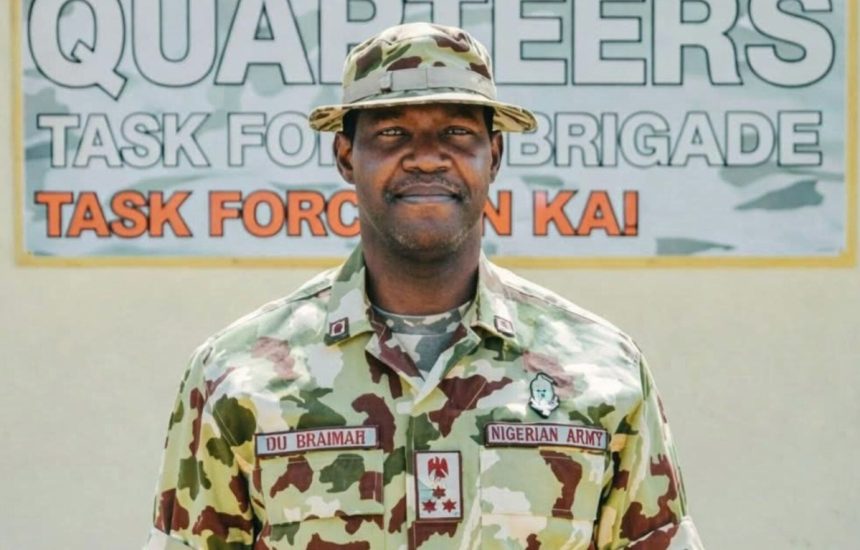
When President Bola Tinubu issued a condolence message on Thursday night naming Brigadier-General Oseni Omoh Braimah among those who “made the ultimate sacrifice” in Borno State, most Nigerians assumed the military would follow with a dignified confirmation of the loss.
Instead, the army did something remarkable in the worst possible way: it denied that its own brigade commander was dead.
EDITOR’S PICKS
That denial — issued by Operation HADIN KAI spokesperson Sani Uba on Friday afternoon — did not merely dispute casualty numbers. It specifically refuted claims that “a Brigade Commander” had been killed, calling such reports “entirely false, misleading, and devoid of credibility.”
OPERATION HADIN KAI DEBUNKS FALSE CLAIMS ON BENISHEIKH INCIDENT, REAFFIRMS PROFESSIONALISM AND OPERATIONAL SUPERIORITY
The Headquarters Operation HADIN KAI (OPHK) has noted with serious concern the circulation of false, misleading and highly exaggerated reports across some… pic.twitter.com/g8PH5xsoU6
— Nigerian Army (@HQNigerianArmy) April 10, 2026
Hours later, the Defence Headquarters confirmed exactly what the army had dismissed: Brigadier-General Braimah was dead, killed alongside another officer and two soldiers. The sequence of events was not a miscommunication. It was an institutional failure with a human face — and a grieving family caught in the middle of it.
A Family Left to Wonder
There is a particular cruelty in what happened to the Braimah family on Friday. President Tinubu had already named their father, husband, and son in a public condolence statement the night before. The country had begun to mourn.
Then the army stepped forward and, in effect, told the nation, and by extension, the family, that the reports of his death were fabricated propaganda designed to “erode public confidence” and cause “unnecessary panic.”
No institution has the right to weaponise a family’s grief as a casualty of information management. The Braimah family deserved clarity, not the spectacle of watching military spokespeople contradict their commander-in-chief while their loved one lay dead.
The army’s statement notably acknowledged that two officers and two soldiers were killed but conspicuously withheld their identities, a choice that prolonged public confusion and, more importantly, denied the family the basic dignity of official recognition. That withholding was not operational security. It was institutional cowardice dressed in procedural language.
An Institution That Cannot Be Trusted With Its Own Losses?
The army’s explanation for why reports of the brigadier-general’s death spread was telling. Uba blamed “unrelated pictures and videos” being deliberately misrepresented, framed the entire controversy as enemy propaganda, and accused unnamed actors of exploiting the incident for “personal/political gains.” This is a familiar deflection when military institutions cannot control their own narrative, they criminalise the gap between what they say and what is true.
But the credibility problem here is not external. The army’s statement and the DHQ’s subsequent confirmation are in direct contradiction, and both came from the Nigerian military within hours of each other.
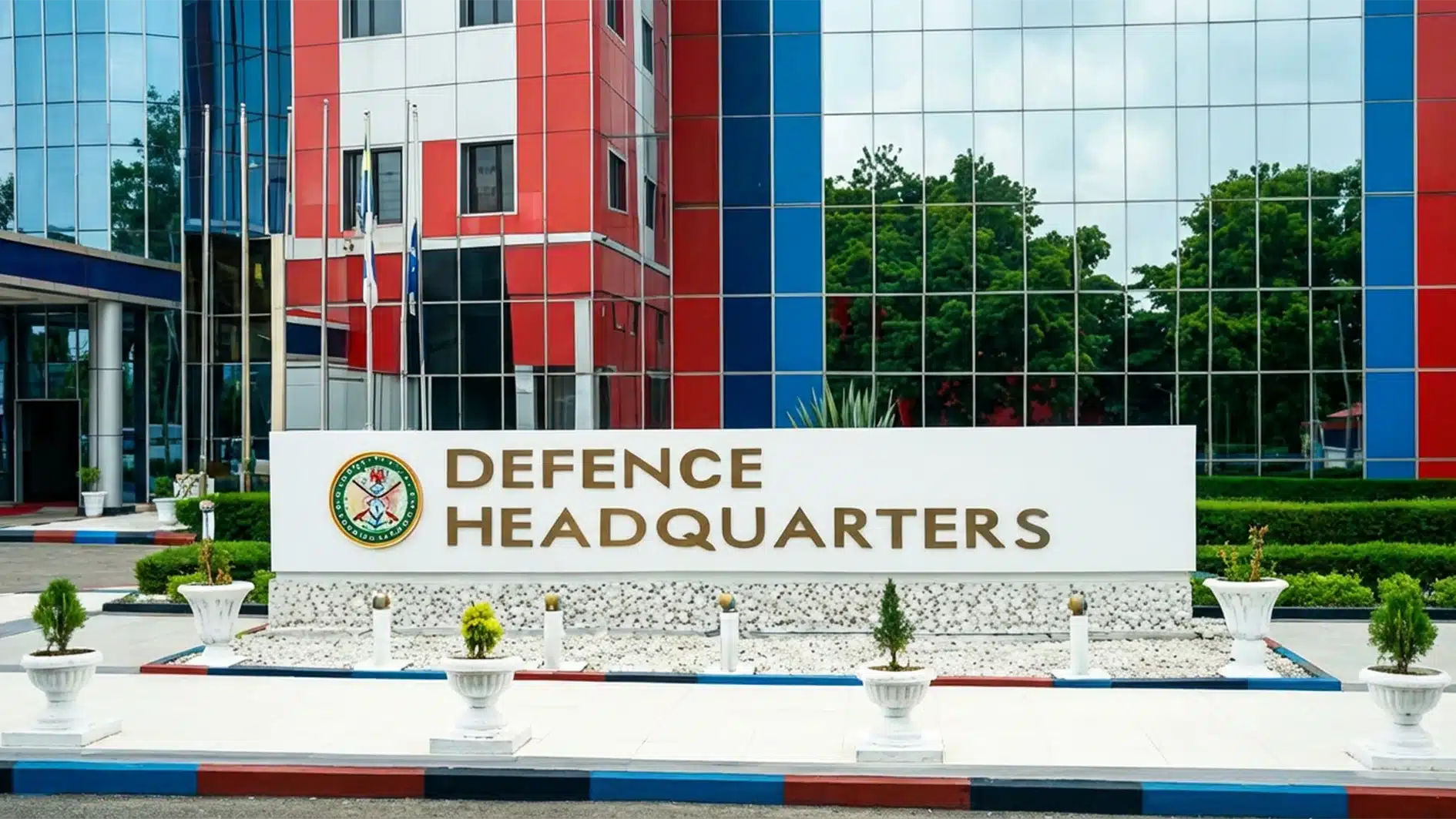
The first statement said no brigade commander was killed. The second confirmed one was. No amount of rhetoric about “verified information” and “official channels” can paper over that contradiction. If the military cannot maintain a consistent account of a high-profile incident within a single news cycle, its repeated insistence that it is “the only credible source of verified information on its operations” becomes self-satirising.
What the Denial Cost
Nigeria’s military has long struggled with public trust, particularly in its handling of the northeast insurgency. Casualty figures from operations against ISWAP and Boko Haram have historically been disputed, with official accounts frequently at odds with accounts from local sources and civil society. The Braimah episode did not occur in isolation, it landed on terrain already eroded by years of institutional opacity.
What made this incident distinct is its sheer visibility. A sitting president named the fallen commander. The family knew. The public knew. And yet the army issued a denial anyway, then reversed course within hours. The cost of that sequence is not merely reputational. It is moral.
FURTHER READING
A nation that sends its soldiers to die in difficult terrain owes those soldiers and their families the minimum decency of honest accounting. Brigadier-General Braimah deserved better. So did the Nigerians who trusted the army’s word.
Philip Ibitoye is a Special Correspondent with EKO HOT BLOG. Click here to find daily analysis and critical insight on trending issues in Lagos and other parts of Nigeria.
Click to watch the video of the week below: