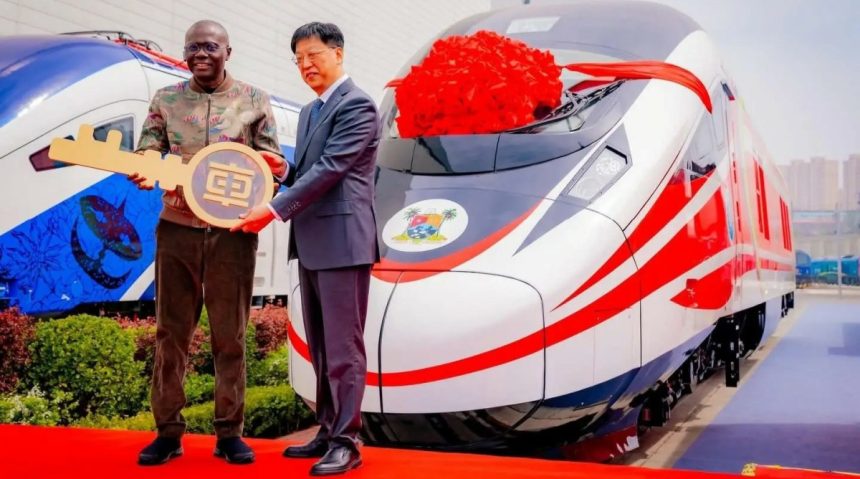
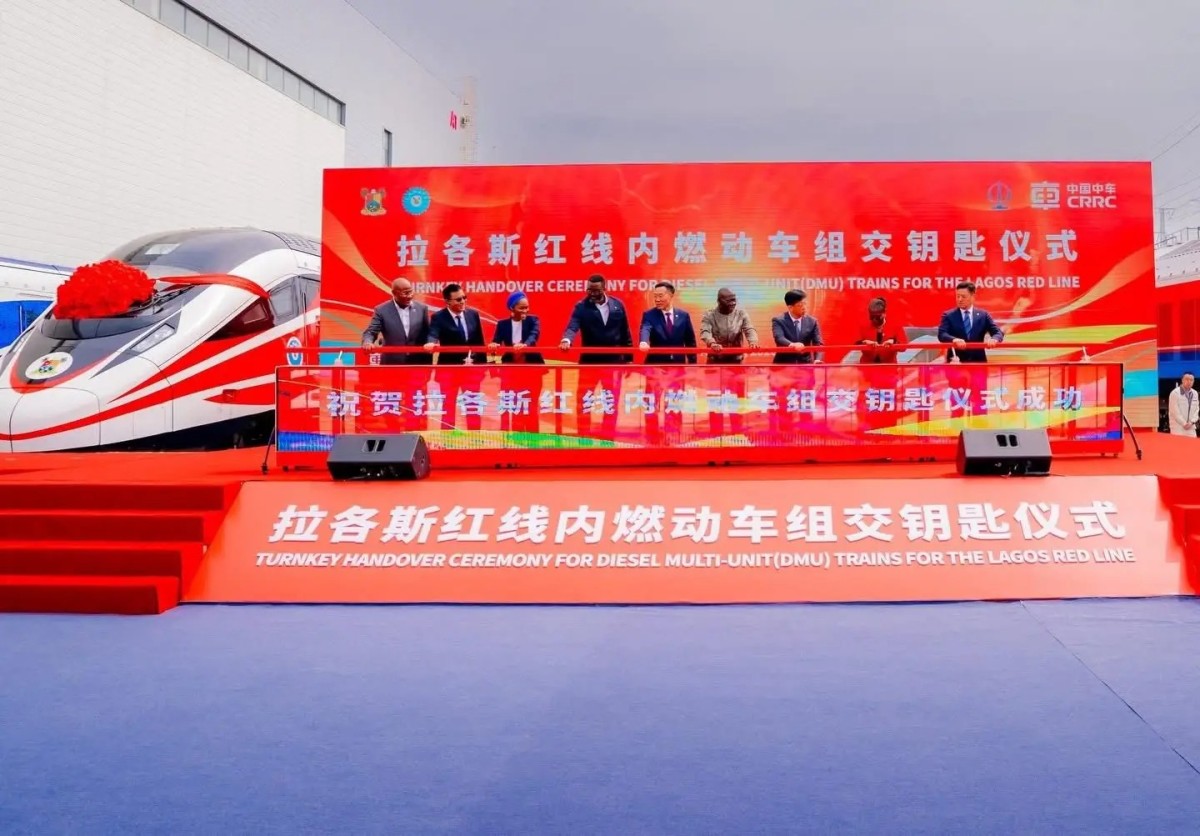
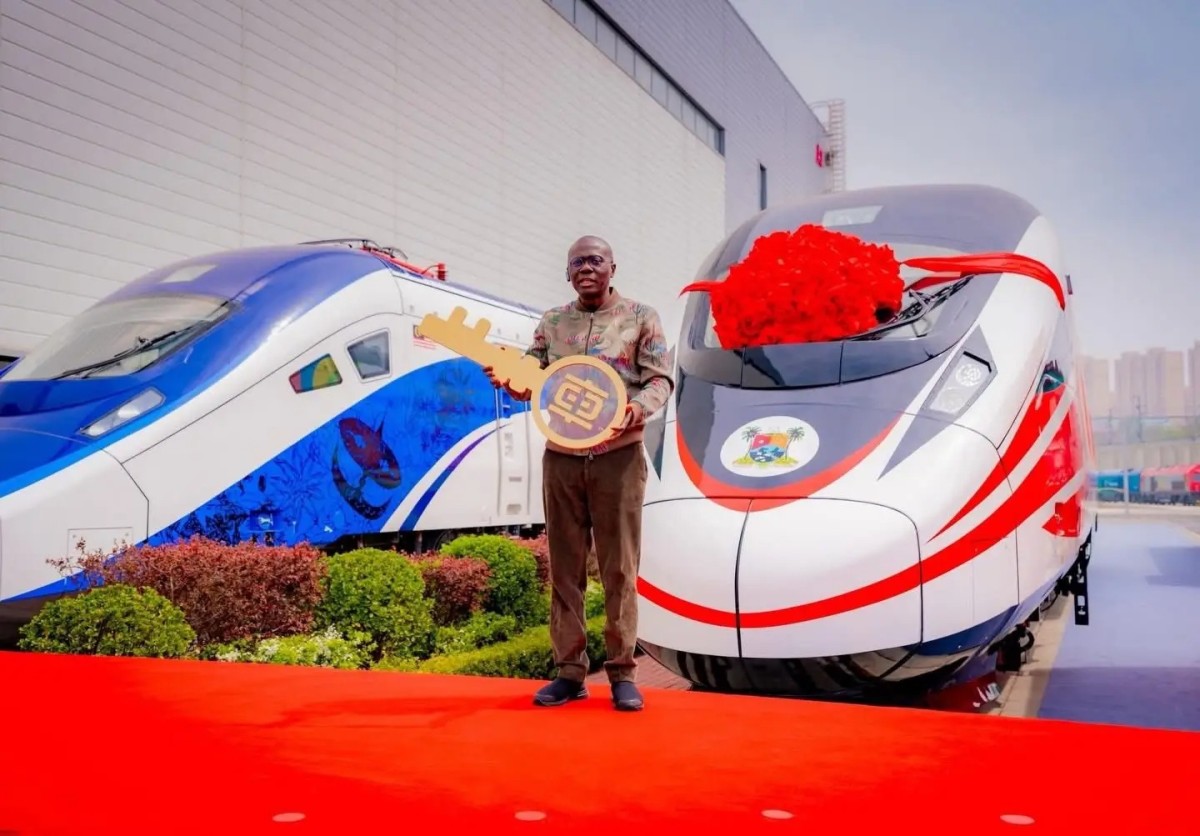
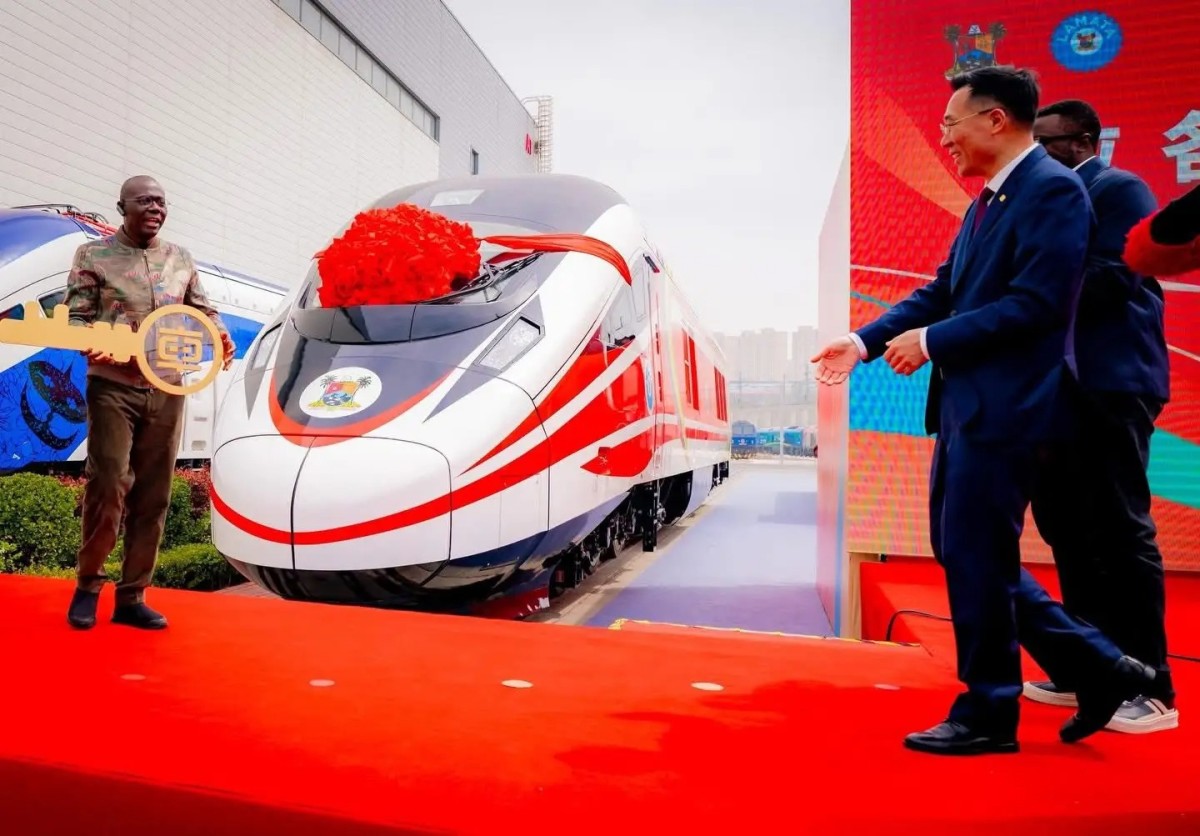
Lagos State Governor, Babajide Sanwo-Olu, announced on Thursday the Lagos had taken delivery of a new set of 24-car trains to strengthen the Red Line fleet.
The Red Line, running approximately 37 kilometres from Agbado in Ogun State to Oyingbo on Lagos Island, has recorded increasing patronage since its launch, reflecting a growing demand for faster and more reliable alternatives to road transport in a city long strangled by traffic congestion.
EDITOR’S PICKS
Once the second phase is completed, the state projects that the line will handle up to 500,000 passengers per day. No other state has embarked on a similar project, raising questions about their ambitions.
The Airport Illusion
Across Nigeria, state governments have spent the past decade doing the opposite.
State governments have poured billions of naira of taxpayers’ money into airport projects that attract little passenger traffic. Bayelsa State spent N60 billion on its airport, Zamfara committed N62.8 billion, Nasarawa N40 billion, and Osun N40 billion, staggering sums from states that struggle to pay salaries.
In Nasarawa, the N22 billion Lafia Cargo Airport was commissioned with fanfare, yet three years on, its runway sees no aircraft, its terminal lies silent, and the facility has been overtaken by rodents and reptiles.
The logic, if one is being charitable, is that airports attract investors and signal development. Governors routinely promise that these projects will open opportunities for economic activity, employment, and revenue inflow, but these expectations mostly never materialise, as most airport projects are either abandoned or completed but neither viable nor self-sustaining owing to a dearth of passengers and high operational costs.
As recently as December 2024, Ekiti State announced a N16 billion airport project, drawing immediate public outrage given that the state cannot point to a standard public secondary school or functional public hospital.
The question is not whether airports are useful. It is whether they are useful here, now, and for whom.
Vision Does Not Require Wealth
The ready objection is that Lagos is a megacity with a GDP larger than many African countries, and therefore an unfair benchmark. It is a fair point, but only to a degree.
The idea of a Lagos rapid transit network dates back to 1983, when Governor Lateef Jakande conceived the Lagos Metroline. It was scrapped in 1985 at a loss of over $78 million. What eventually became the Blue and Red Lines required decades of iteration, political will across successive administrations, and the creative use of public-private partnerships.
The Red Line operates alongside the Nigerian Railway Corporation’s standard gauge corridor under a track-sharing agreement, meaning Lagos did not even need to lay all of its own tracks. It leveraged existing federal infrastructure.
That model — leveraging what exists, using concession arrangements, phasing projects within realistic budgets — is replicable. A state does not need Lagos money to build a light rail spur connecting its capital to a trade hub, or to rehabilitate a disused railway corridor for commuter use.
In April 2025, Lagos commenced construction on the Green Line, awarded to China Harbour Engineering Company under a design-and-build contract that includes financing, a financing model available to any state government with a credible project and political discipline to follow through.
The real gap is not funding. It is vision, and the humility to match ambition to context. A N15 billion airport that no airline will fly to is not infrastructure, it is a monument to a governor’s ego. A N5 billion rail link that moves 50,000 commuters a day is governance.
FURTHER READING
Lagos, for all its complexity and dysfunction, has spent the better part of two decades learning that distinction. The rest of Nigeria’s states do not have to take another two decades to learn it from scratch.
Philip Ibitoye is a Special Correspondent with EKO HOT BLOG. Click here to find daily analysis and critical insight on trending issues in Lagos and other parts of Nigeria.
Click to watch the video of the week below: