- He stressed the need for a strong partnership with the federation to address the gap
- He offered prayers for the repose of his soul and comfort for his family and the wider football community
- He added that efforts are ongoing to secure approval to host a CAF A Licence course
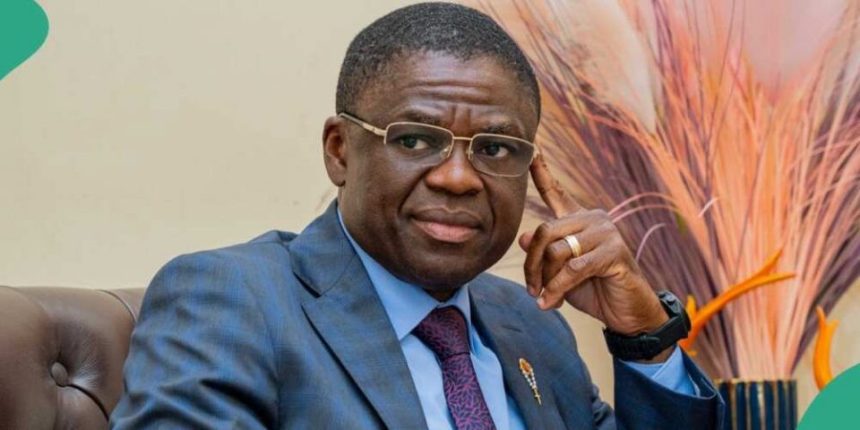
The Director-General of the National Institute for Sports, Philip Shaibu, has introduced a two-year strategy aimed at tackling the shortage of qualified coaches across Nigeria’s sports sector.
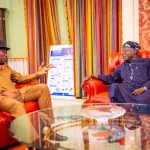
Speaking during a visit to the Nigeria Football Federation headquarters in Abuja on Monday, Eko Hot Blog reports that Shaibu revealed that the country is facing a deficit of about two million coaches.
EDITOR’S PICK
- Benue Mortician Arrested for Using Corpse Part as Walking Stick
- Baba Yusuf: Bandits May Reach National Assembly
- PDP Asks INEC To Withdraw Recognition Of Anyanwu As National Secretary
He stressed the need for a strong partnership with the federation to address the gap.
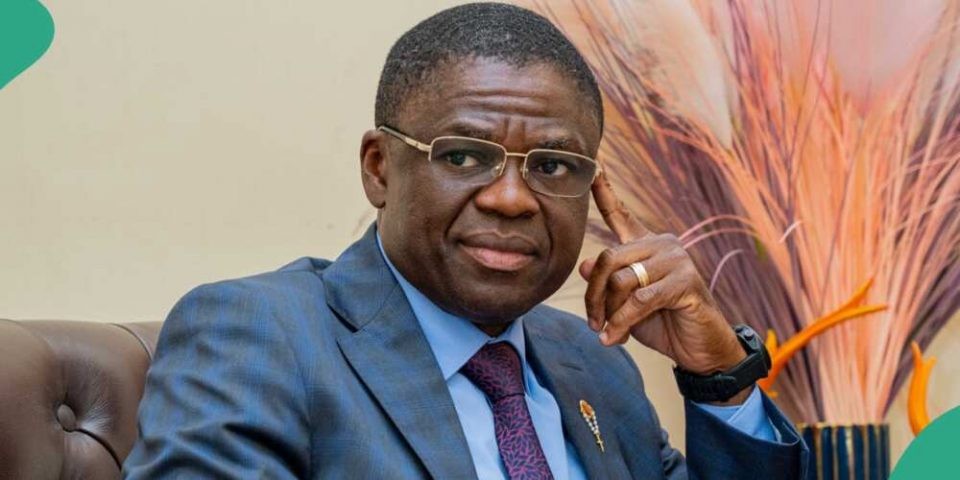
Shaibu explained that the visit was also to pay tribute to former NFA chairman, Ibrahim Galadima, describing him as an influential figure whose contributions to football and his community would not be forgotten.
He offered prayers for the repose of his soul and comfort for his family and the wider football community.
Highlighting the institute’s findings, Shaibu said a detailed assessment revealed the scale of the coaching shortage and noted that closing the gap could significantly transform sports development in the country.
He also pointed to recent student admissions at the institute as evidence of football’s dominance in Nigeria. Out of 232 newly admitted students, 117 are specialising in football coaching, accounting for more than half, while the rest are spread across other sports.
In response, Nigeria Football Federation President Ibrahim Gusau expressed readiness to work with the institute to achieve its goals. He noted that developing coaches has been a key focus of the current NFF leadership.
Gusau listed several initiatives already undertaken, including organising coaching courses such as a CAF C Licence programme for 30 women, who are expected to progress to the B Licence next year.
He added that efforts are ongoing to secure approval to host a CAF A Licence course.
He also advised the institute to involve relevant government stakeholders, including Ministers and State Commissioners for Education, to build wider support for its plans.
Meanwhile, NFF General Secretary Mohammed Sanusi, who is a certified FIFA and CAF coaching instructor, recommended that the institute expand its curriculum to include a diploma in sports administration.
FURTHER READING