- Opposition Parties Await Supreme Court Ruling Ahead Of 2027 Elections
- Decision critical to primaries, congresses, and candidate selection timelines
- Political actors explore coalitions amid uncertainty ahead of 2027 elections
Attention has shifted to the Supreme Court as Nigeria awaits a decisive ruling on leadership crises affecting major opposition parties ahead of the 2027 general elections.
EDITOR’S PICKS
- FA Introduces New Rules To Limit Heading In Football
- President Tinubu Has Not Endorsed Any APC Candidate for 2027 – Jandor
- Police Arrest 2 Over Trafficking of Nigerian Woman to Côte d’Ivoire
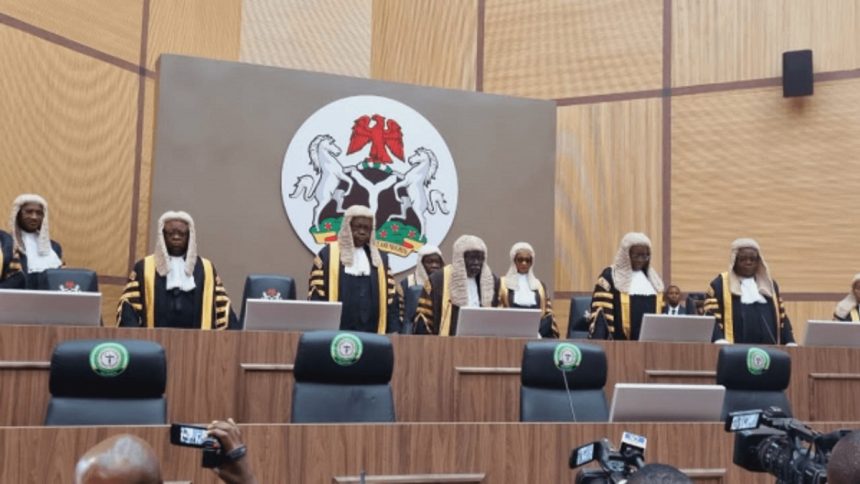
EKO HOT BLOG reports that the apex court is expected to deliver judgment on disputes involving the Peoples Democratic Party, Labour Party, and the African Democratic Congress. The cases centre on questions of legitimate leadership, party control, and compliance with constitutional procedures.
The Supreme Court had adopted an accelerated hearing process last week, citing the timeline set by the Independent National Electoral Commission for the electoral cycle.
INEC has fixed January 16, 2027, for the Presidential and National Assembly elections, while governorship and state assembly polls are scheduled for February 6, 2027. Political parties are expected to conduct their primaries between April 23 and May 30, 2026, placing urgency on the court’s decision.
Within the PDP, the dispute focuses on the national secretary position and broader issues of leadership legitimacy, with rival factions contesting control of party structures. The Labour Party is also grappling with internal divisions, while the ADC faces questions over the recognition of its leadership and executives.
The outcome of the ruling is expected to shape each party’s ability to organise congresses, conduct primaries, and present candidates within the stipulated timeframe.
If the court upholds existing leadership structures, parties may move to reconcile differences and proceed with preparations. However, lingering grievances could still trigger defections and weaken internal cohesion.
A verdict that alters current leadership arrangements may force urgent reorganisation, including the establishment of caretaker committees and fresh conventions under tight deadlines.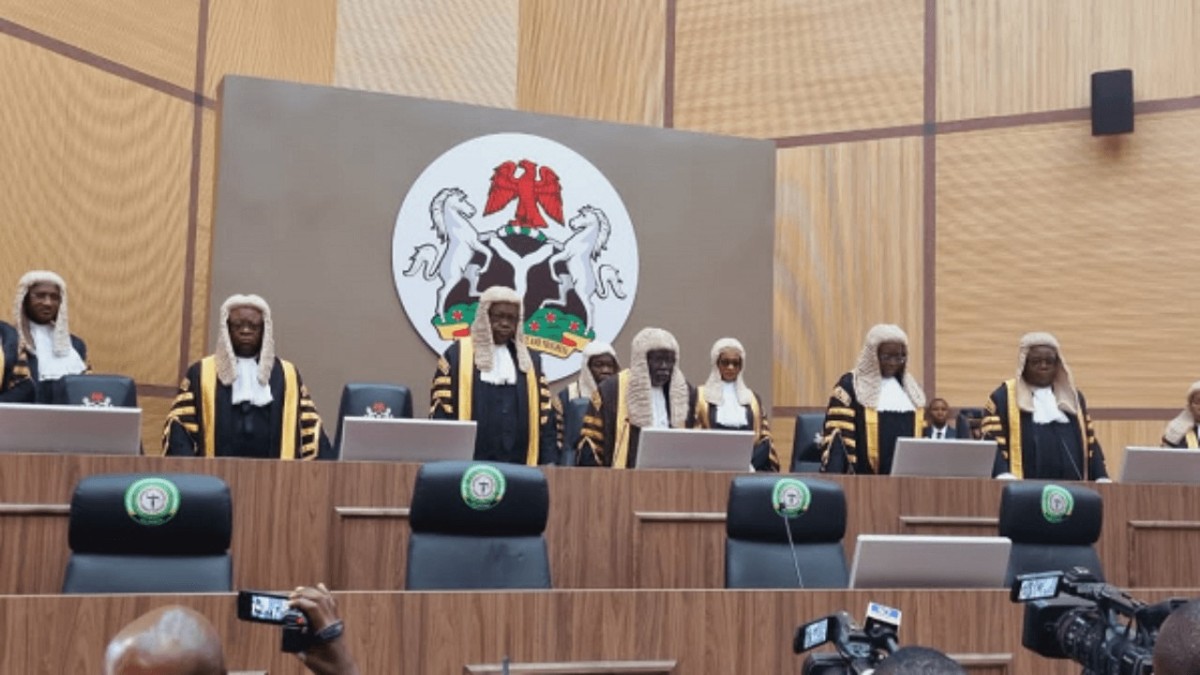
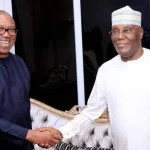
Meanwhile, key opposition figures such as Atiku Abubakar, Peter Obi, Rauf Aregbesola, and Rotimi Amaechi are said to be exploring coalition options as part of broader political realignments ahead of the elections.