
- Kwankwaso’s camp has reportedly stepped up engagements with traditional rulers and political leaders in the North
- Supporters of the alliance argue that fairness demands the South be allowed to complete an eight-year tenure
- party insiders note that Atiku retains a significant advantage due to his early positioning within the party
Fresh political manoeuvres are unfolding ahead of the 2027 presidential race, as Peter Obi and Rabiu Musa Kwankwaso intensify efforts to secure a joint ticket under the African Democratic Congress (ADC).E
Eko Hot Blog gathered that sources within the party revealed that both camps are promoting a power-sharing arrangement centred on a single-term presidency, a proposal designed to win the backing of influential northern stakeholders.
EDITOR’S PICK
- Lassa Fever Hits Oyo, Government Activates Emergency Response
- Bruno Fernandes Reveals Why He Rejected Huge Al Hilal Move
- FG Defends Borrowing Strategy
The strategy is also seen as an attempt to weaken the influence of former Vice President Atiku Abubakar in the race for the party’s ticket.
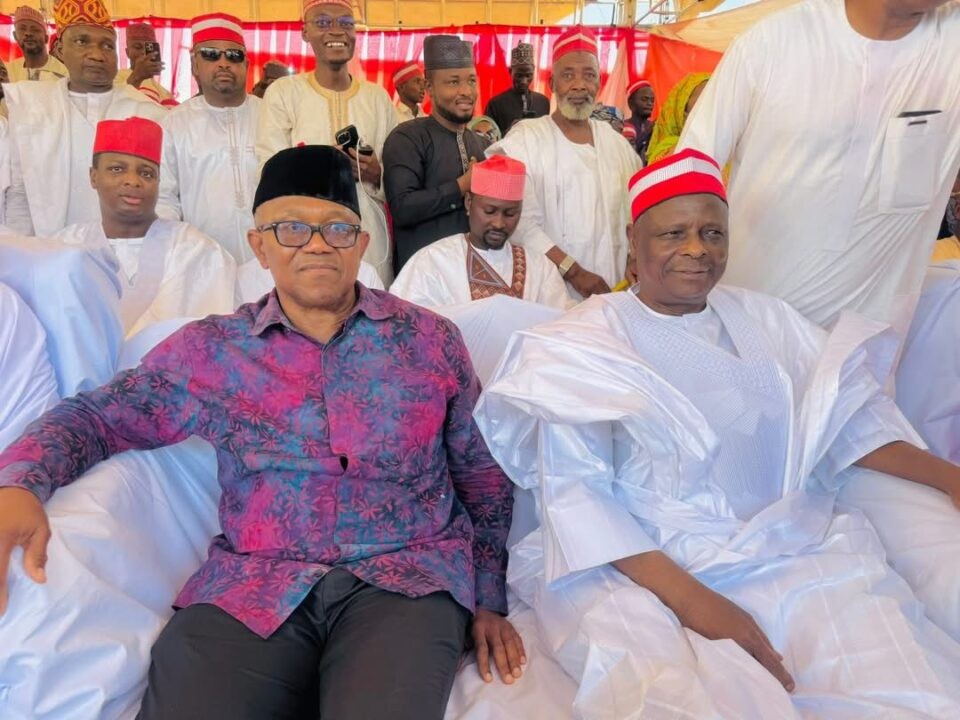
Insiders say the outreach is part of a broader plan to consolidate northern support for a southern candidate in 2027. Under the proposed arrangement, Obi is expected to serve only one term if the alliance succeeds.
Despite internal leadership disputes within the ADC and a pending Supreme Court decision, aspirants in the party have continued consultations and grassroots mobilisation.
In recent weeks, Kwankwaso’s camp has reportedly stepped up engagements with traditional rulers and political leaders in the North, particularly those opposed to a second term for President Bola Ahmed Tinubu.
Supporters of the alliance argue that fairness demands the South be allowed to complete an eight-year tenure, similar to the North’s previous hold on power. They believe backing another southern candidate could preserve political balance while positioning the North for a return in 2031.

The push for a joint ticket began even before Kwankwaso formally joined the ADC in March 2026. By April, supporters of both politicians had launched a campaign platform to promote their partnership ahead of the party’s primaries.
However, the move has not gone unchallenged. Allies of Atiku acknowledge the growing efforts to sway northern leaders but insist his political structure and long-standing influence within the party remain strong.
Some observers also suggest Kwankwaso’s long-term ambition could hinge on a future presidential bid if the one-term arrangement materialises.
Within the ADC, multiple aspirants are actively courting northern delegates. Figures such as Rotimi Amaechi are also engaging key stakeholders in a bid to dilute Atiku’s support base.
Nonetheless, party insiders note that Atiku retains a significant advantage due to his early positioning within the party.
Analysts say the coming weeks will be critical, as party leaders weigh options ranging from consensus arrangements to direct primaries.
While the ADC leadership has emphasised unity and internal democracy, some concerns competing ambitions among top contenders could complicate efforts to present a single candidate.
Ultimately, the evolving contest within the ADC reflects a wider struggle among opposition forces to align interests and build a formidable challenge ahead of the 2027 elections.
FURTHER READING