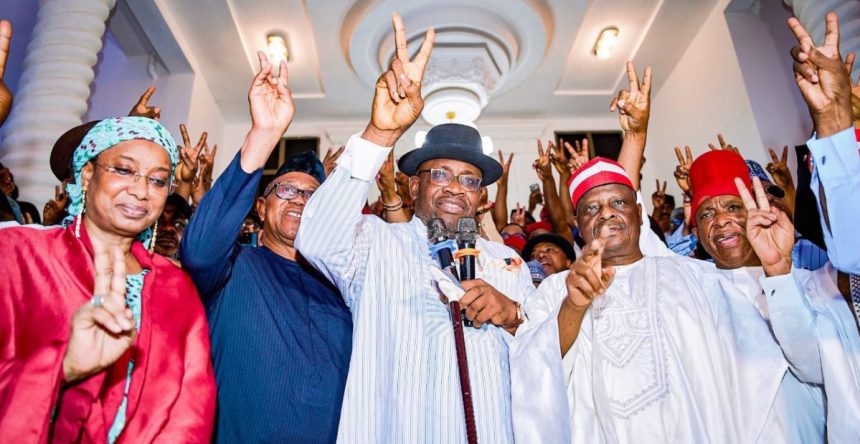
It was just over a week ago when leaders of several opposition parties gathered in Ibadan, the Oyo State capital, and resolved to coalesce behind a single presidential candidate to face President Bola Tinubu in the 2027 general election.
But that plan is already unravelling as deep cracks are emerging in the opposition camp.
EDITOR’S PICKS
On Sunday morning, the former Anambra governor and 2023 Labour Party presidential candidate, Peter Obi, announced his resignation from the African Democratic Congress (ADC), ending a four-month experiment that had briefly looked like Nigeria’s opposition was finally getting its act together.
In a personal statement laced with lament, Obi cited “endless court cases, internal battles, suspicion, and division” — and in doing so, delivered the clearest signal yet that the coalition painstakingly assembled to challenge President Bola Tinubu in January 2027 is coming apart at the seams.
Fellow Nigerians, good morning.
I woke up this morning after my church service with a deeply reflective heart, and despite every constraint, I felt compelled to share these thoughts with you.
Many people do not truly understand the silent pains some of us carry daily—the…
— Peter Obi (@PeterObi) May 3, 2026
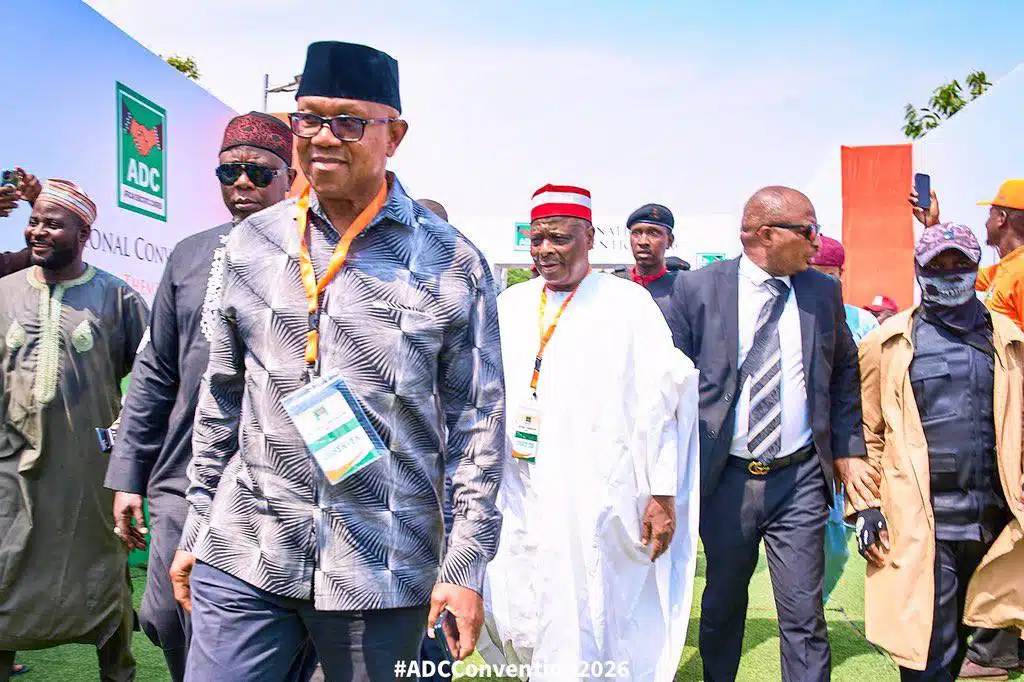
When Obi formally announced his move to the ADC on December 31, 2025, his arrival was hailed as the coalition’s credibility moment. He brought with him the Obidient movement, Nigeria’s most energised youth political base, forged in the fires of 2023. His endorsement was the coalition’s argument for electability: that together, Atiku, Obi, and Kwankwaso could consolidate the fractured opposition vote that handed Tinubu the presidency three years ago.
For a few weeks, it looked like it might hold. It hasn’t.
EKO HOT BLOG examines how it all fell apart.
The Court Cases Nobody Could Agree On
The ADC’s crisis was, on the surface, a legal one. The party had been mired in a leadership dispute that the Supreme Court eventually settled in favour of the David Mark-led executive.
But by Saturday, Rabiu Kwankwaso was drawing pointed parallels between the ADC’s legal troubles and the crisis that drove him out of the NNPP, confirming he had begun consultations with the Nigeria Democratic Congress (NDC).
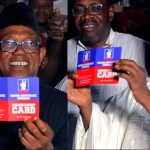
By Sunday, Obi was gone too, with both men joining the NDC, a party barely anyone had heard of six months ago.
Peter Obi and Rabiu Kwankwaso receiving their NDC Membership cards from the National Chairman, Senator Moses Cleopas. pic.twitter.com/Wer0iLJGHN
— Nigeria Democratic Congress (@NigeriaNDCHQ) May 3, 2026
Obi indicated in his statement that the ADC platform had been compromised, external interests were at work, and he was not willing to fight for a party he did not control. It is a script that will feel familiar. He made almost identical arguments when he left the Labour Party.
Ambitions That Were Always Too Big For One Tent
Analysts had been warning about this for months. The coalition’s arithmetic was sound: pool the votes, pick one candidate, defeat the incumbent. Its politics, however, was always a different matter. Here was a tent that had to accommodate former Vice President Atiku Abubakar’s fourth presidential bid, Obi’s belief that it was his turn, and Rotimi Amaechi’s own positioning, all held together by the thinnest of agreements and the thinnest of trust.
APC National Secretary Ajibola Basiru had put it bluntly after the Ibadan opposition summit just over a week ago: “I can assure Nigerians that they will not be able to come up with any resolution. In the coming days and weeks, they will start to fight over their personal, inordinate ambitions.”
At the time it read like APC gloating. Today it reads like prophecy. Some observers had predicted the fireworks would erupt after the party convention. They never even made it to the convention. The ADC’s primary timetable schedules its presidential primary for May 25. Some of the coalition’s most prominent faces will not be on that ballot.
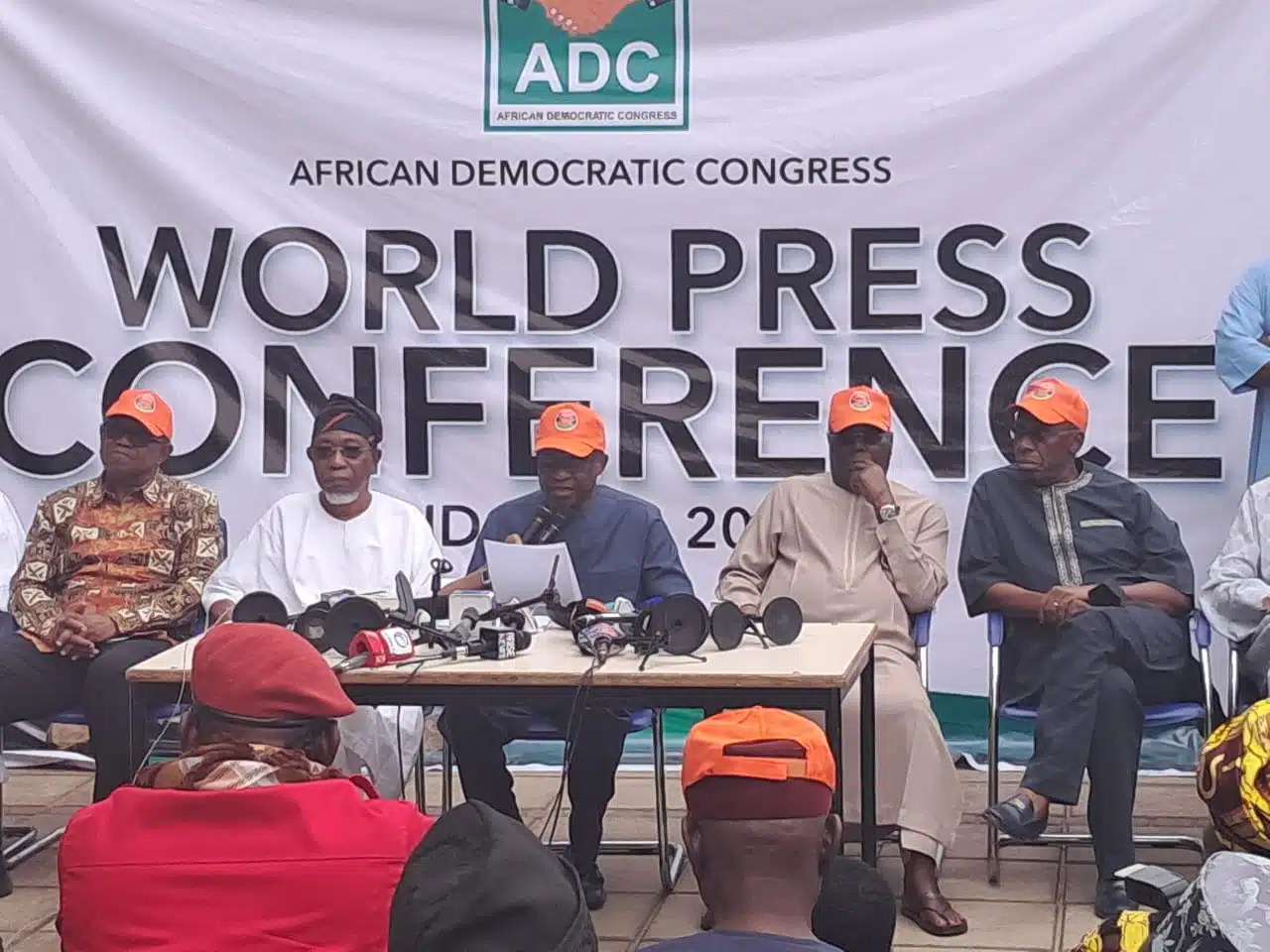
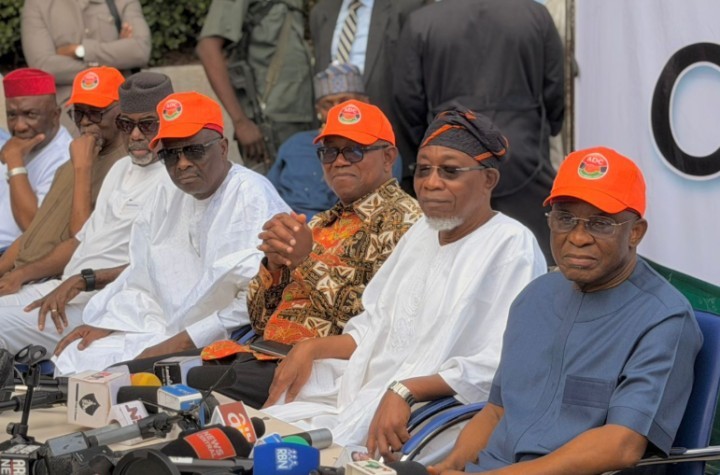
What remains of the coalition — Atiku, Amaechi, David Mark, Aminu Tambuwal, Rauf Aregbesola — insists the train is still moving. “Sadly, some persons have gotten off at what they perceived to be their station,” ADC spokesperson, Bolaji Abdullahi, said on Sunday. The bravado is understandable. It is also unconvincing.
Without Obi, the coalition loses its most potent link to Nigeria’s youth vote: the same demographic that drove historic turnout in 2023. Without Kwankwaso, it loses its northern anchor beyond Atiku’s Adamawa base. The 2027 opposition is beginning to look less like a coalition and more like a remnant.
For the opposition to unseat an incumbent president in Nigeria, it needs more than agreements on paper. It needs the discipline to subordinate personal ambition to collective purpose. That has proven impossible before. Nothing about this weekend suggests anything has changed.
FURTHER READING
If Nigeria’s fractured opposition cannot unite behind a single credible candidate — and do so quickly — 2027 will be 2023 all over again. And for Tinubu, that is not a nightmare scenario. It is a dream.
Philip Ibitoye is a Special Correspondent with EKO HOT BLOG. Click here to find daily analysis and critical insight on trending issues in Lagos and other parts of Nigeria.
Click to watch the video of the week below: