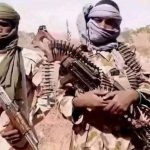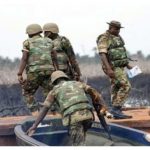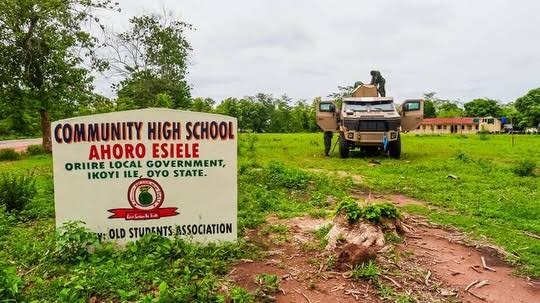
Following a fresh wave of school abductions, Nigeria’s Defence Headquarters has issued a public advisory urging schools, parents and communities to take concrete steps to prevent attacks on students.
The advisory, released on Friday, came in the wake of mass kidnappings in Oyo and Borno states and described the incidents as a “call to take better actions to enhance school security.” The military’s message was direct: “No child should have to learn in fear.”
EDITOR’S PICKS
The advisory is not entirely new in spirit. It aligns with Nigeria’s Safe Schools Initiative, a government programme launched in 2014 after gunmen abducted 276 schoolgirls from Chibok, Borno State.
That initiative introduced risk assessments, early warning systems, community engagement and emergency preparedness as tools for protecting schools. But more than a decade later, the abductions have not stopped.
A Premium Times data analysis found that 2,310 students were kidnapped across 30 school attacks since the initiative began. Under President Bola Tinubu’s administration alone, 13 mass abductions involving 674 students have already been recorded in three years — a pace that suggests the crisis is deepening, not slowing.
Against that backdrop, the Defence Headquarters outlined six steps it says schools can take.
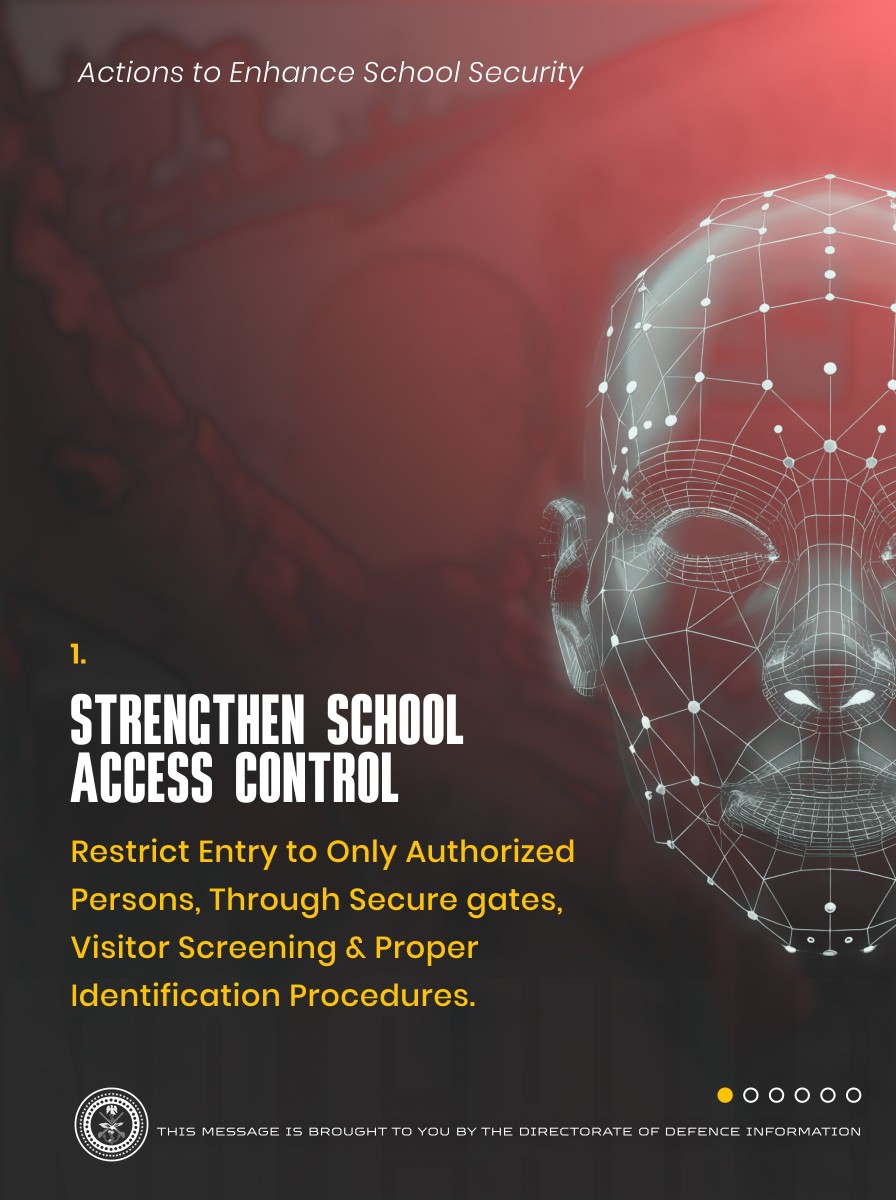
Step one: Control Who Enters the School
The first step is strengthening access control. Schools are advised to restrict entry to authorised persons only, through secure gates, visitor screening and proper identification checks. The goal is to ensure that strangers cannot walk into school premises undetected.
Step two: Build Fences and Install Cameras
The second step focuses on physical and digital surveillance. The military advised schools to construct adequate perimeter fences and install CCTV cameras and monitoring technology capable of detecting threats before they escalate.
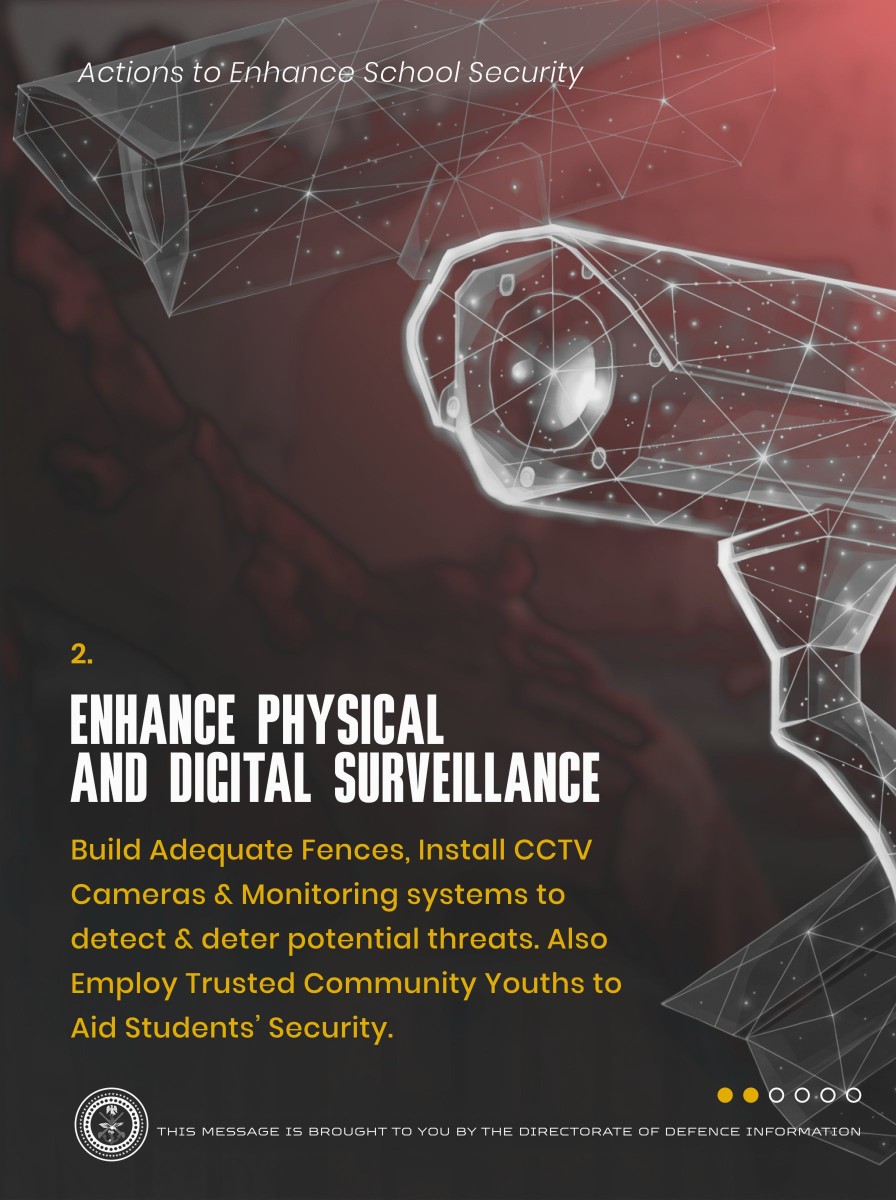
It also recommended employing trusted youths from host communities to support student security — a move that would bring local knowledge and vigilance into school safety structures.
Step three: Prepare for Emergencies
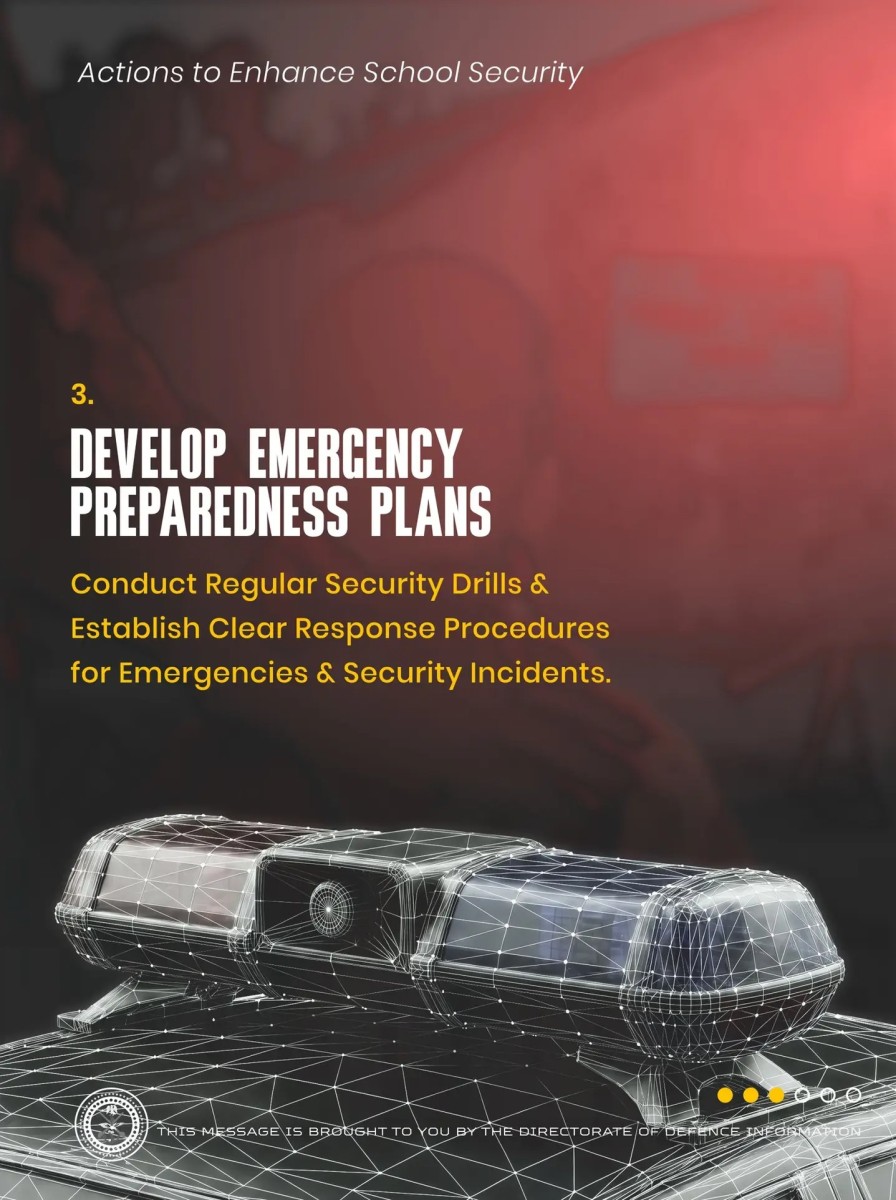
Third, schools should develop and practise emergency response plans. The DHQ urged institutions to conduct regular security drills and establish clear procedures for handling emergencies and security incidents, so that students and staff are not caught unprepared when a crisis unfolds.
Step four: Train Staff to Spot Danger
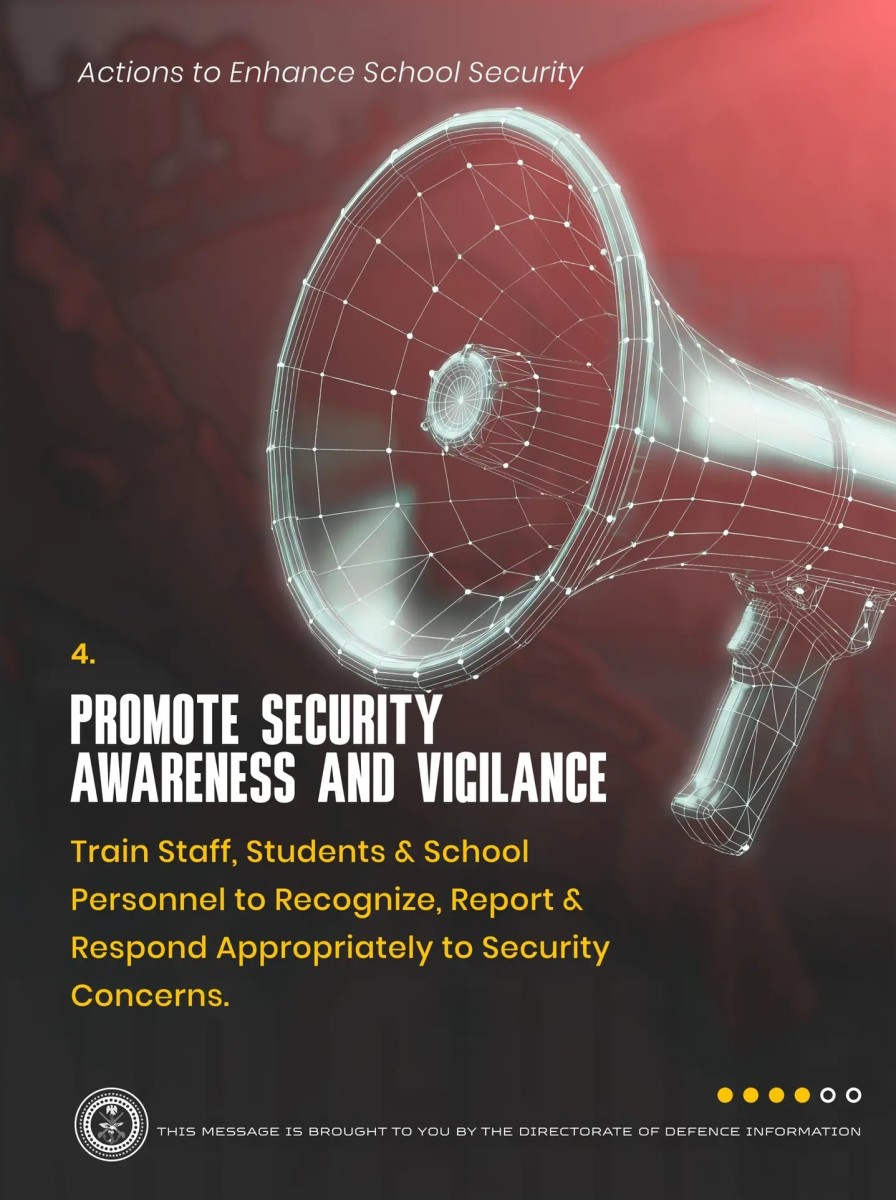
The fourth recommendation concerns awareness. School administrators, teachers and other personnel should be trained to recognise suspicious activities and security threats, report them to the right authorities and respond appropriately when incidents occur.
Step five: Work Closely with Security Agencies
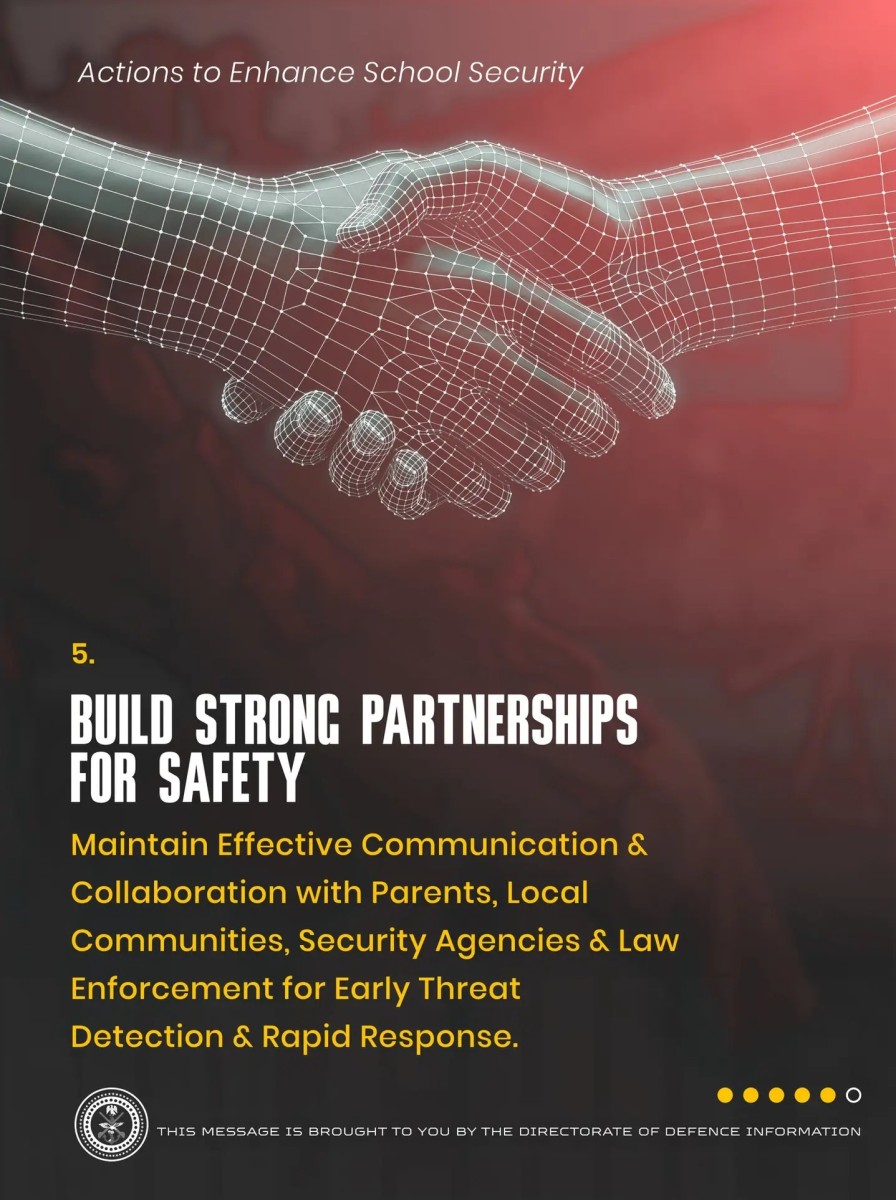
Fifth, the military stressed the importance of partnerships. Schools should build and maintain active communication with parents, local communities, security agencies and law enforcement. The objective is to create a network of early threat detection that enables a rapid response when incidents are reported.
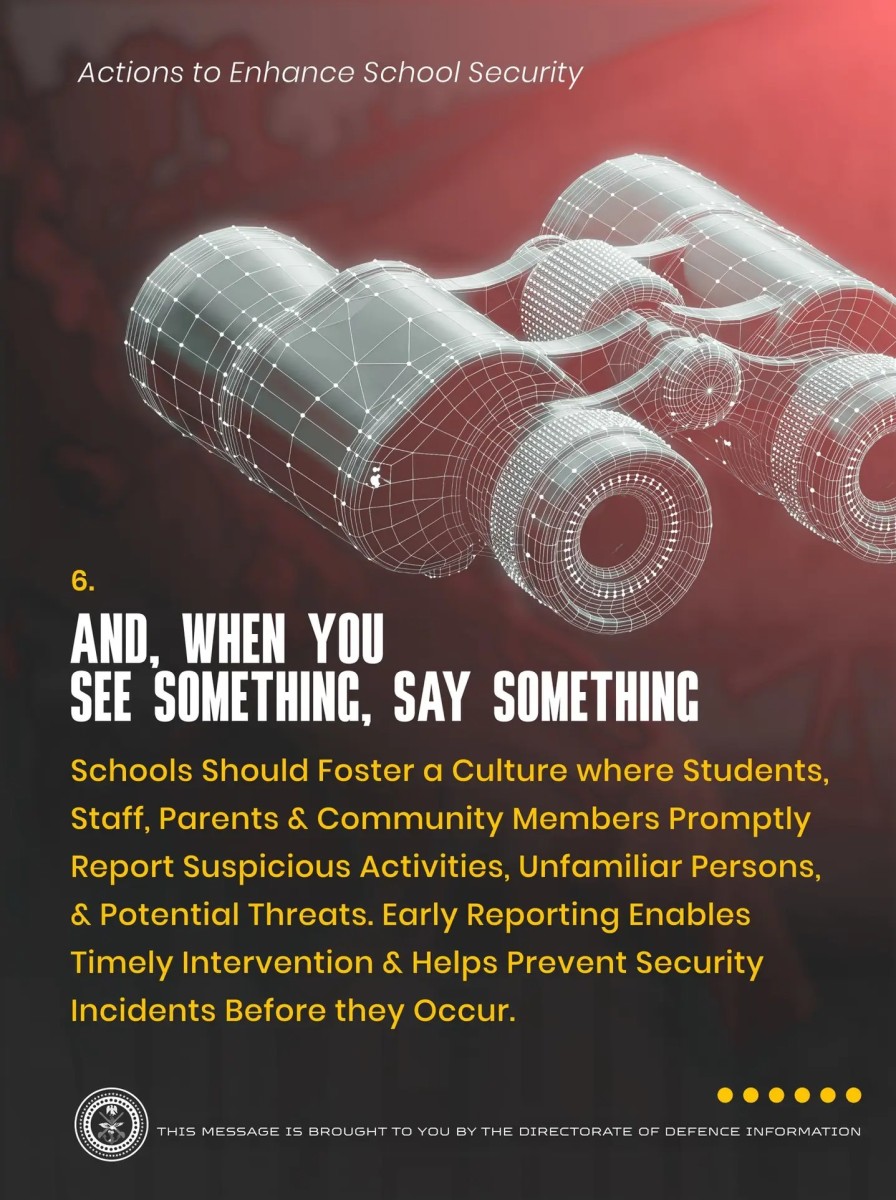
Step six: If You See Something, Say Something
The sixth and perhaps most urgent step is cultural. The DHQ called for the promotion of a reporting culture, one where students, staff, parents and community members feel responsible for flagging suspicious movements, unfamiliar faces and potential threats.
“When you see something, say something,” the advisory stated, noting that early reporting gives security agencies the window they need to intervene before an attack occurs.
A Familiar Message, an Urgent Moment
None of these recommendations are entirely new. Many mirror what Nigeria committed to when it signed on to the Safe Schools Declaration in 2015.
FURTHER READING
The real question is whether schools, communities and governments will act on them this time before the next set of children is taken from a classroom.
Philip Ibitoye is a Special Correspondent with EKO HOT BLOG. Click here to find daily analysis and critical insight on trending issues in Lagos and other parts of Nigeria.
Click to watch the video of the week below: