- Sanwo-Olu, Bakare Seek Governance Reforms to Unlock Nigeria’s Economic Potential
- Unveils Lagos 2052 Vision
- Bakare Blames Centralised Governance for Nigeria’s Slow Development
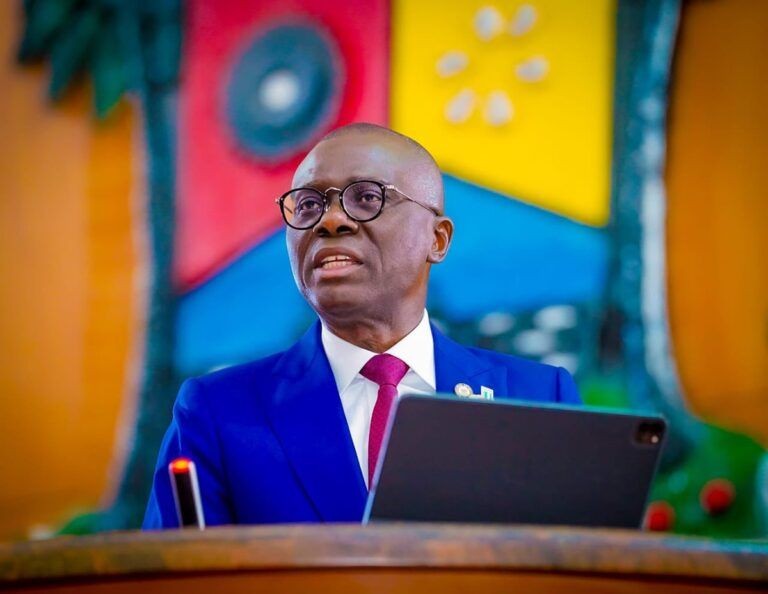
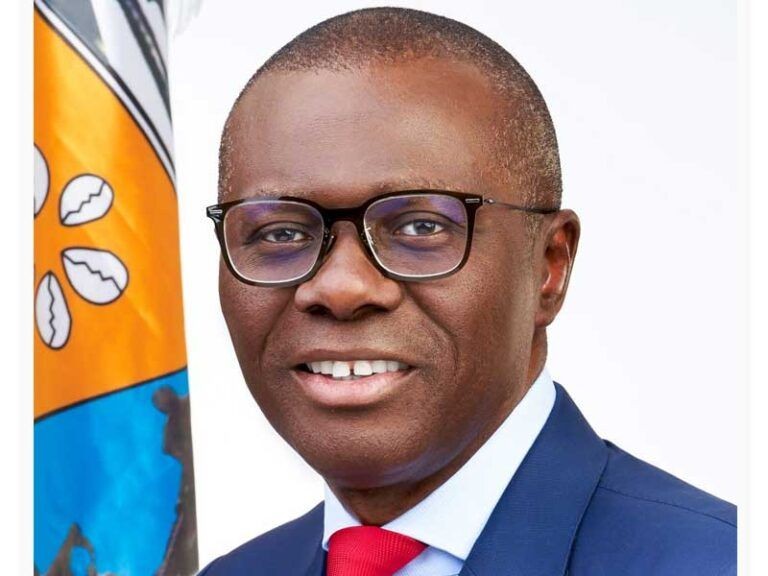
Lagos State Governor, Babajide Sanwo-Olu, and founder of the Citadel School of Government, Pastor Tunde Bakare, have called for a new geo-economic approach to Nigeria’s development, stressing the need to align governance with the country’s diverse social and economic realities.
Eko Hot Blog reports that the call was made at the maiden Geoeconomic Optimisation Summit 2026, where policymakers, academics and private sector stakeholders advocated reforms aimed at unlocking Nigeria’s growth potential through decentralisation, innovation and regional competitiveness.
EDITOR’S PICK
- Phase 2 of Lekki Deep Sea Port to Begin Soon
- If Only God Can End Insecurity, Then What Are We Paying For?
- Lagos Unveils Team for National Robotics Championship After Thrilling State Finals
Delivering his address at the summit, Sanwo-Olu unveiled Lagos State’s long-term ambition of becoming a global human-centred hub by 2052, driven by sustained investments in infrastructure, human capital development and strategic regional partnerships.
The governor said Lagos has sustained a steady growth trajectory since 1999 due to continuity in governance and policies centred on people-oriented development. He added that the state’s development blueprint would be reviewed every five years to ensure it remains responsive to emerging realities and opportunities.
According to Sanwo-Olu, Lagos is positioning itself as a destination for talent, innovation and enterprise, with plans to attract multinational companies, technology startups and players in the creative industry.
“We envision Lagos as the human capital hub of the world, a place where thousands of engineers, innovators and creatives will find opportunities,” he said.
Sanwo-Olu described Africa as the next frontier for global economic expansion, maintaining that Nigeria, particularly Lagos, is strategically placed to benefit from the continent’s youthful population and vast economic prospects.
The governor also highlighted the importance of leadership development, revealing that the Citadel leadership academy received more than 21,500 applications, from which only 30 participants were selected for a one-year intensive training programme.
He reaffirmed Lagos State’s commitment to collaboration with investors and neighbouring states, disclosing plans to establish what he described as Nigeria’s largest food hub in partnership with states such as Osun, alongside other regional projects, including a new premium hotel development in Ibadan.
Earlier, Pastor Tunde Bakare called for a fundamental restructuring of Nigeria’s governance architecture, arguing that many of the country’s challenges stem from a disconnect between its social composition, economic resources and political arrangements.
Speaking on the theme, “Geoeconomic Optimisation: Unveiling the Vision,” Bakare identified geo-social, geo-political and geoeconomic factors as the pillars upon which Nigeria’s development should rest, lamenting that a lack of balance among them has continued to impede national progress.
He criticised the highly centralised governance system inherited from military rule, saying it has weakened regional productivity and encouraged dependence on federal allocations.
Bakare recalled that Nigeria’s former regional structure promoted healthy competition and economic advancement before it was altered, insisting that a return to a more decentralised framework would stimulate productivity and sustainable development.
According to him, geoeconomic optimisation provides a practical framework for restructuring by prioritising economic viability, regional strengths and competitiveness over purely political considerations.
In his welcome remarks, Executive Director of the Citadel School of Government, Omoaholo Omoakhalen, described the summit as a significant platform for advancing discussions on harnessing Nigeria’s regional economic potential.
Participants at the summit expressed optimism that Nigeria could achieve inclusive and sustainable growth if stakeholders collectively pursue policies that encourage decentralisation, innovation and stronger regional economies.
FURTHER READING
- Lagos, 15 States Reject Senate’s Electricity Amendment Bill
- Terrorism Will Not Be Tolerated, FG Declares as 150 Convictions Recorded
- Drones, Biometrics, AI to Drive Nigeria’s New Border Security Strategy
Click here to watch video of the week