- The Senate passed a bill to strengthen laws against fake drugs
- The proposal introduces tougher penalties and stronger enforcement powers
- It also empowers NAFDAC to intensify surveillance and crack down on offenders
The Senate has passed for second reading a bill aimed at strengthening Nigeria’s legal framework against counterfeit medicines, fake drugs and unsafe processed foods through tougher penalties, stricter enforcement and improved regulatory oversight.
Eko Hot Blog gathered that the proposed legislation, known as the Counterfeit Medical Products, Fake Drugs and Unwholesome Processed Foods (Prohibition and Control) Bill, 2026, was sponsored by Senator Umar Suleiman.
EDITOR’S PICK
- UN Mobilizes Humanitarian Aid For Venezuela Following Twin Earthquakes
- Dollar To Naira Exchange Rate Today, June 26, 2026
- Concerns As Repentant Boko Haram Members Allegedly Join Army Recruitment
Following its second reading, the Senate referred the bill to the Committee on Health (Secondary and Tertiary) with instructions to submit its report within four weeks.
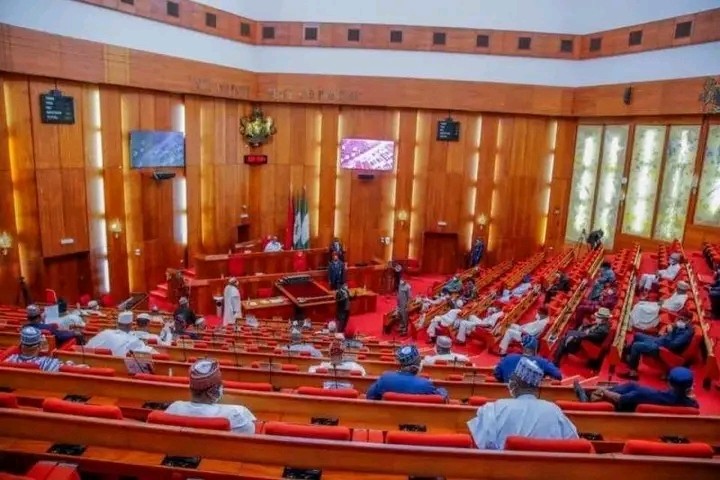
Opening the debate, Suleiman said the bill seeks to replace the existing Counterfeit and Fake Drugs and Unwholesome Processed Foods Act, Laws of the Federation of Nigeria 2004, with updated legislation capable of addressing current challenges posed by counterfeit medicines, adulterated cosmetics, improperly labelled chemicals and unsafe food products.
He explained that technological developments, online trading, cross-border smuggling and the operations of organised criminal groups have made the existing law inadequate in combating the increasing circulation of counterfeit products.
According to the lawmaker, the proposed legislation is intended to reduce preventable deaths and health complications linked to fake medicines, rebuild public trust in the healthcare system and promote the growth of Nigeria’s pharmaceutical industry.
The bill proposes criminal sanctions against anyone involved in the production, importation, manufacturing, transportation, distribution, sale, possession or facilitation of counterfeit medical products, fake drugs and contaminated processed foods.
It also seeks to outlaw the production or possession of labels, packaging materials, wrappers and equipment used in manufacturing counterfeit products.
In addition, the legislation prohibits the sale or hawking of drugs in unauthorised places such as markets, motor parks, roadside stalls, buses, ferries and unlicensed online platforms.
Under the proposed law, offenders convicted of major offences could face prison terms of up to 15 years, alongside substantial fines, compensation for victims or their families, and sanctions against companies and their directors found culpable.
To strengthen enforcement, the bill empowers the National Agency for Food and Drug Administration and Control (NAFDAC) to deploy modern product-tracking systems, establish enforcement task forces at national and state levels, inspect facilities, confiscate counterfeit products, arrest suspects, seal affected premises and enhance surveillance at the country’s borders and ports.
The proposal also grants exclusive jurisdiction over offences under the Act to the Federal High Court and provides for accelerated prosecution to ensure quicker resolution of cases.
Suleiman described the bill as a critical public health initiative, saying it is designed not only to punish offenders but also to protect consumers, support legitimate businesses and bring Nigeria’s anti-counterfeit laws in line with international standards.
FURTHER READING