- Alausa urged states to increase funding for quality education and school infrastructure
- He said education is key to Nigeria’s economic growth and national development
- The minister also called for stronger collaboration and data-driven reforms across the education sector
The Federal Government has urged state governments to increase investment in education, describing the sector as the foundation for Nigeria’s long-term economic growth, security and national development.
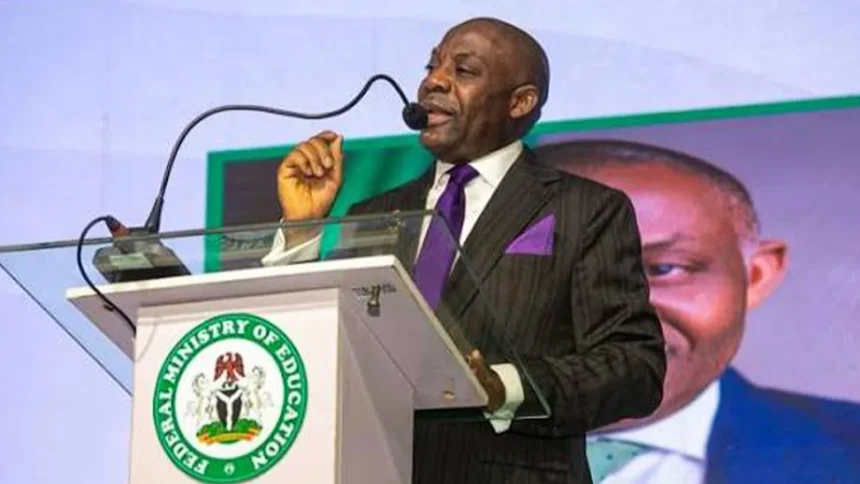
Eko Hot Blog gathered that the Minister of Education, Tunji Alausa, made the call on Tuesday in Abuja during the five-day Executive Retreat for Honourable Commissioners of Education.
EDITOR’S PICK
- Tinubu Approves Army Expansion, Recruitment of 28,000 Personnel
- Aregbesola Claims Record as First Nigerian Governor to Serve Eight Years Without Owning a House
- Ikosi-Ejinrin LCDA Commissions Fully Equipped NSCDC Divisional Headquarters, Donates Patrol Vehicle and Motorcycle to Boost Security
The programme was organised by the Committee of States’ Commissioners of Education in Nigeria (COSCEN) in collaboration with the Nigeria Governors’ Forum, state governments and the Federal Ministry of Education.
The retreat brings together education commissioners from across the country to strengthen leadership at the sub-national level through policy discussions, technical sessions and capacity-building initiatives.
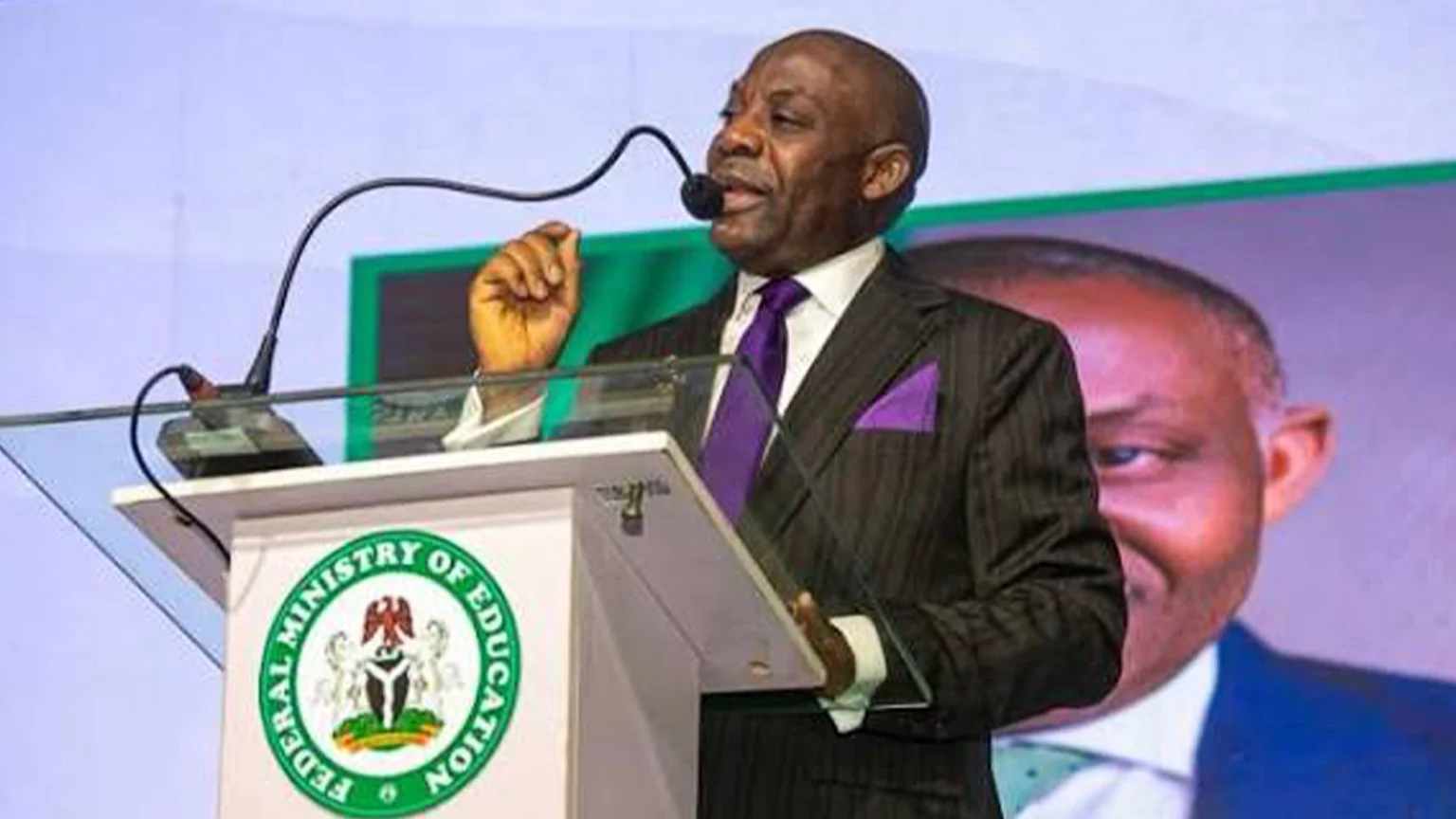
Addressing participants, Alausa urged state governments to channel more resources into improving access to quality education, upgrading school infrastructure, recruiting qualified teachers and providing adequate learning materials.
He stressed that education should be treated as a strategic investment capable of driving economic development, reducing poverty, promoting innovation and strengthening national security.
According to the minister, meaningful reforms can only succeed through close collaboration between the Federal Government and state governments since most education responsibilities, particularly at the basic and secondary levels, fall within the jurisdiction of states.
He noted that the Federal Government has shifted towards a partnership model that promotes shared responsibility and accountability in improving learning outcomes nationwide.
Alausa also encouraged states to make greater use of school census data and evidence-based planning to improve policy decisions, teacher deployment and resource allocation.
He highlighted the National Education Data Infrastructure (NEDI) as a major step towards creating a unified digital education system that will integrate information from schools, local governments, states and federal institutions into a single platform.
The minister explained that the initiative would assign every learner a unique identification number while digitally profiling teachers, schools and education facilities to improve planning and monitoring.
He added that the Digitalised Nigeria Education Management Information System (DNEMIS) would provide real-time information on enrolment, teacher-pupil ratios, infrastructure gaps and learning outcomes, enabling governments to make informed decisions.
According to him, the new digital systems will also improve transparency by allowing education investments to be tracked and evaluated more effectively.
Alausa, however, stressed that technology alone cannot transform the education sector, noting that committed leadership, political will and effective implementation remain essential to achieving lasting reforms.
Also speaking, former Minister of Aviation and Chancellor of the Athena Centre for Policy and Leadership, Osita Chidoka, urged education commissioners to focus more on improving the quality of teaching than on physical infrastructure.
He argued that while modern classrooms are important, effective teaching has a greater impact on students’ learning and future success.
The World Bank Country Director, Mathew Verghis, also called on state governments to comply with the requirements of the HOPE Education Programme, explaining that access to funding depends on meeting agreed targets and performance indicators.
He said the initiative is designed to tackle challenges such as out-of-school children, teacher shortages, weak education data systems and poor learning outcomes, while encouraging states to prioritise teaching materials and structured learning programmes.
The retreat was attended by 25 state commissioners of education alongside representatives of the World Bank, the Federal Ministry of Education and the Nigeria Governors’ Forum.
FURTHER READING