- Reps met petroleum stakeholders to address fuel supply and refining concerns
- Marketers urged better regulation, infrastructure and fair competition
- Industry players backed local refining but opposed sudden import bans
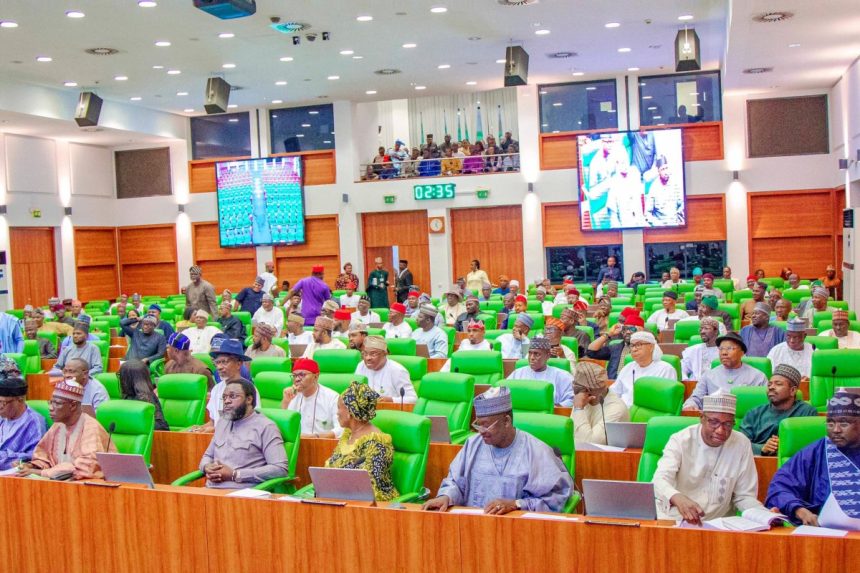
The House of Representatives Committee on Petroleum Resources (Downstream) has begun discussions with key players in the petroleum sector in an effort to bridge differences between fuel importers and domestic refiners while promoting energy security, steady supply and a competitive downstream industry.
Eko Hot Blog gathered that the committee held an engagement session at the National Assembly on Tuesday with representatives of the Depot and Petroleum Products Marketers Association of Nigeria (DAPPMAN), the Independent Petroleum Marketers Association of Nigeria (IPMAN) and the Major Energies Marketers Association of Nigeria (MEMAN).
EDITOR’S PICK
- Tinubu Approves Army Expansion, Recruitment of 28,000 Personnel
- Aregbesola Claims Record as First Nigerian Governor to Serve Eight Years Without Owning a House
- Ikosi-Ejinrin LCDA Commissions Fully Equipped NSCDC Divisional Headquarters, Donates Patrol Vehicle and Motorcycle to Boost Security
The meeting comes amid ongoing changes in Nigeria’s petroleum sector following the implementation of the Petroleum Industry Act, deregulation of the petrol market, refinery rehabilitation efforts and increased operations by private refiners.
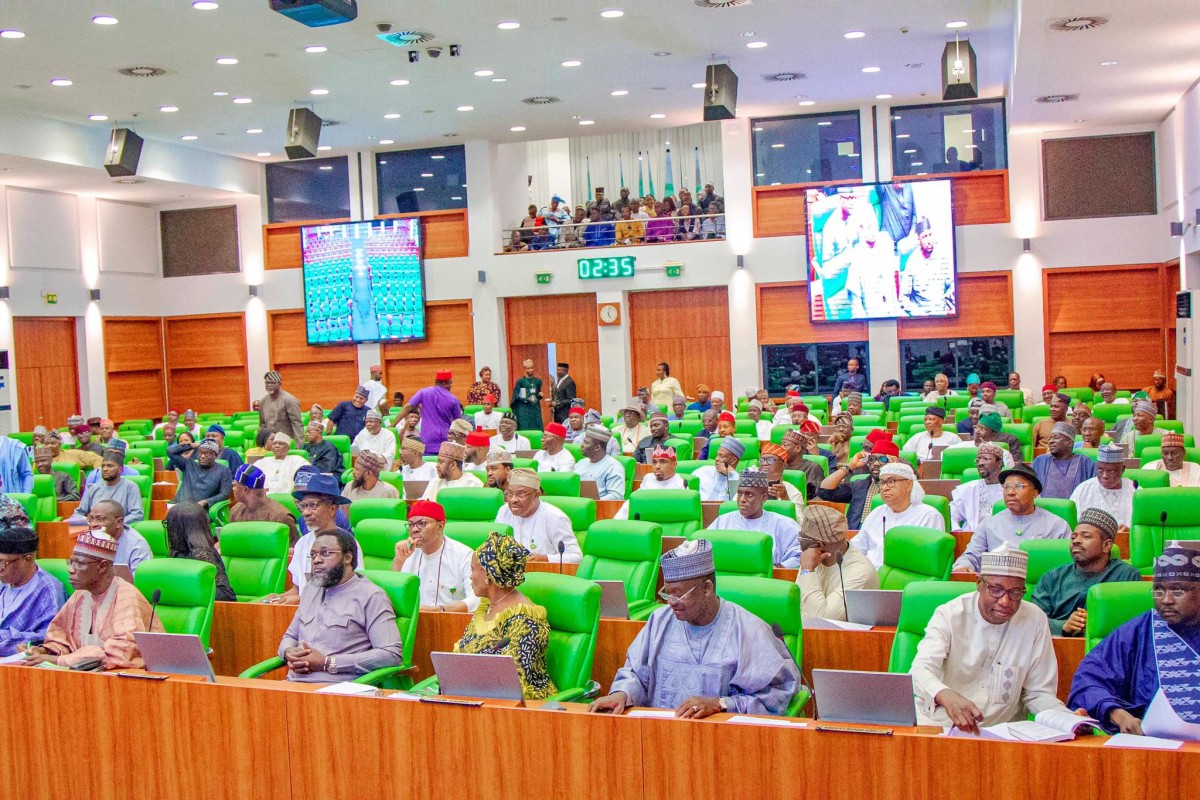
Lawmakers said the consultation was necessary as the country debates how to balance rising domestic refining capacity with the need to maintain consistent fuel availability and protect consumers from supply disruptions.
The Chairman of the committee, Ikenga Ugochinyere, said the engagement was aimed at finding common ground among industry stakeholders rather than assigning blame.
He explained that the committee wanted to listen to operators and develop policies that would support affordable energy, reliable supply and sustainable growth in the sector.
“We are here not to interrogate, not to accuse and not to put anyone on trial. We are here to listen. We are here to talk to one another as partners who share one common destiny—a Nigeria where energy is affordable, supply is stable and no citizen suffers because petroleum products are out of reach,” he said.
Ugochinyere said petroleum marketers, depot owners and other downstream operators play a major role in connecting government policies with consumers, adding that their contributions were important in shaping future reforms.
He noted that Nigeria was at a crucial stage in its energy development, with expanding refining capacity, changing import patterns and efforts to improve petroleum distribution and pipeline security.
The lawmaker assured stakeholders that their recommendations would be considered in future legislative actions aimed at strengthening local refining, encouraging investment and ensuring stable fuel supply.
DAPPMAN seeks improved regulations
The Depot and Petroleum Products Marketers Association of Nigeria called on regulators to establish clearer guidelines for petroleum stock management under the Petroleum Industry Act.
The association’s Executive Secretary, Olufemi Adewole, said the framework should address product measurement, reporting systems, quality control and access to available supplies.
DAPPMAN argued that national reserves should not only focus on stored volumes but also consider the ability to finance, transport and quickly distribute products during emergencies.
The group also proposed a joint monitoring system involving the Nigerian Midstream and Downstream Petroleum Regulatory Authority and the Federal Competition and Consumer Protection Commission to track market activities, supply levels, competition and possible disruptions.
It further urged government to invest more in transportation infrastructure such as roads, rail, waterways, pipelines and depots to reduce reliance on long-distance fuel haulage.
IPMAN highlights industry challenges
The Independent Petroleum Marketers Association of Nigeria described the downstream sector as vital to several areas of the economy, including transportation, manufacturing, agriculture, healthcare and power generation.
IPMAN Chairman, Abubakar Shettima, said recent reforms had created opportunities for Nigeria to move from dependence on imported petroleum products to becoming a major refining and distribution centre in Africa.
However, he identified challenges including high borrowing costs, multiple taxes, foreign exchange difficulties, poor storage facilities, transportation challenges and pipeline vandalism.
The association called for measures that would improve logistics, promote competition, reduce distribution expenses and guarantee steady access to petroleum products.
MEMAN warns against restricting imports
The Major Energies Marketers Association of Nigeria acknowledged that Nigeria now has growing refining capacity but cautioned against completely stopping fuel imports.
MEMAN Executive Secretary, Clement Isong, said controlled imports could remain necessary during periods when local production cannot meet national demand.
He urged the government to maintain the authority to approve imports whenever shortages occur, warning that a rigid policy could lead to supply challenges and higher fuel prices.
Isong recommended the creation of a strategic petroleum reserve capable of supporting the country for at least 60 days during global supply disruptions.
He pointed to developments in the LPG sector as an example of how imports can complement domestic production when properly managed.
While stakeholders expressed different views on the future role of imports, they agreed on the importance of consistent policies, improved infrastructure, stronger regulation and continued cooperation between government and industry operators.
The House committee said it would review the recommendations from the meeting as part of efforts to create a stronger downstream petroleum framework that supports local refining, energy security and affordable fuel supply for Nigerians.
FURTHER READING