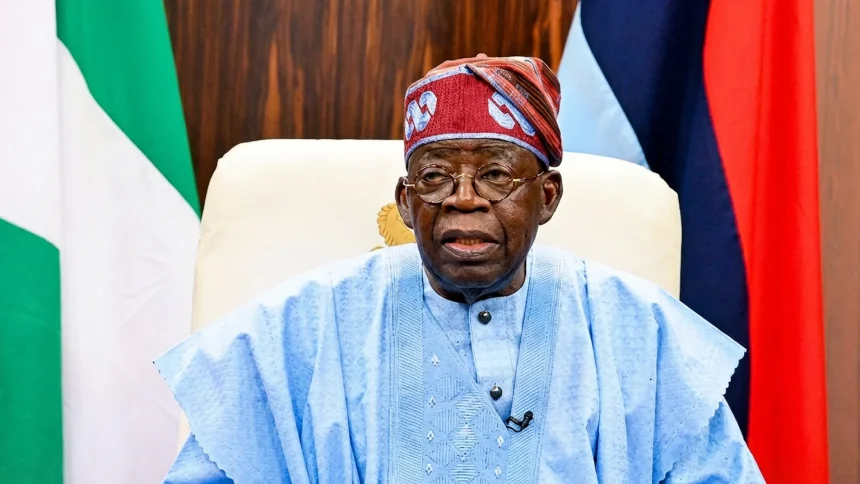
President Bola Tinubu says Nigeria’s refineries will not be allowed to waste away.
Speaking in Abuja on Thursday, he told the Nigerian Union of Petroleum and Natural Gas Workers (NUPENG) that a “reset” is coming — one built on research, restructuring and new leadership.
EDITOR’S PICKS
“The refineries that you mentioned are going to come back to work,” he said, adding that he has “accepted the assets and liabilities” of past governments and now owns the job of fixing them.
It is a familiar promise. And Nigeria’s history with refineries suggests familiar promises rarely end well.
A Cycle Nigeria Has Seen Before
Since 1999, every administration has announced a refinery revival plan.
Olusegun Obasanjo spent over $800 million on repairs that never held. Under Muhammadu Buhari, the Federal Executive Council (FEC) approved about $3.14 billion in 2021 alone to fix Port Harcourt, Warri and Kaduna.
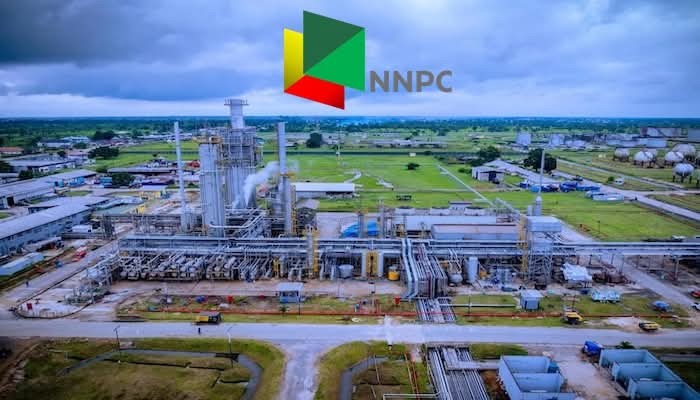
By some estimates, Nigeria has spent close to $18 billion — even $25 billion by other counts — on turnaround maintenance since 2010, without producing a refinery that runs reliably at scale.
Tinubu’s own government has added to that record. Before the 2023 election, he promised working refineries. In office, his administration set at least five separate dates for the Port Harcourt refinery to resume production, from late 2023 through August and September 2024.
Each date passed without full output. The plant eventually loaded some product in late 2024, but has struggled with consistency since, prompting a probe by the House of Representatives and complaints from host communities about job losses and unpaid contractors.
So when the President now promises a “reset,” the question isn’t whether he means it. It’s whether his government has changed the method — or is simply repeating a pattern of announcements, deadlines and turnaround maintenance that has swallowed billions without lasting results.
There is one difference this time: officials say the new approach will involve “in-depth research” into the structural, financial and managerial roots of the problem, rather than another round of quick fixes. That is a more honest starting point than past administrations offered.
But Nigerians have heard promises of a “systematic” approach before, including from Tinubu’s own NNPC leadership in 2024. The test will be whether this research leads to a genuinely different model or another expensive repair job on ageing plants.
What Dangote and Stakeholders Are Saying
The clearest counter-example sits in Lekki.
Billionaire Aliko Dangote’s privately built 650,000-barrel-per-day refinery is already running and refining more than half its output into petrol — more than double what the state refineries managed at their historical best.
Dangote has been blunt about the state-owned plants. He says the government has spent about $18 billion on turnaround maintenance with little to show for it, and compared the repairs to trying to modernise a 40-year-old car: even a new engine cannot fix a body that was never built for it. He doubts the refineries will ever work under the current approach.
His argument, shared by many energy analysts, is that Nigeria’s problem was never just money. It was ownership, accountability and management. Government-run refineries have suffered from weak oversight and bureaucratic delay, while a privately funded, privately managed plant delivered results within a few years of construction.
That argument points toward private capital and private management as the more reliable path — a lesson Obasanjo’s government partly grasped in the mid-2000s, when it moved to privatise the refineries before the deal was reversed by a new administration. NUPENG itself, even while thanking Tinubu for other reforms, still pushed him to revive the state refineries rather than lean fully into private ownership, reflecting the workers’ stake in keeping them under public control.
Tinubu’s government has previously cited resistance from labour unions as one reason plans to sell the refineries to Dangote and Femi Otedola stalled in 2024. If that resistance persists, the administration may again choose rehabilitation over sale — the same road that has swallowed tens of billions of dollars since 1999.
FURTHER READING
The President’s language this week — evidence-based, structural, accountable — is the right language. Whether it becomes different action, or another chapter in a 25-year cycle of promises, will depend on choices his government has so far been unwilling to make.
Philip Ibitoye is a Special Correspondent with EKO HOT BLOG. Click here to find daily analysis and critical insight on trending issues in Lagos and other parts of Nigeria.
Click to watch the video of the week below: