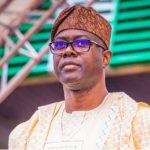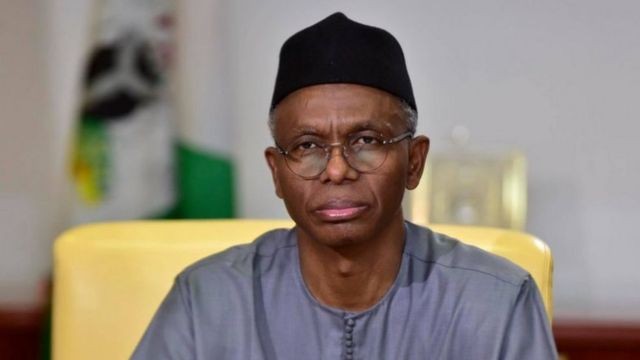
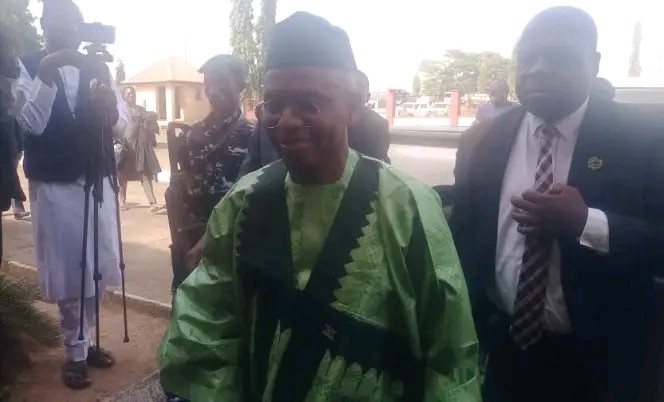
- Former Kaduna State Governor Nasir El-Rufai arrived at the Federal High Court in Kaduna on Tuesday morning, March 24, 2026, for his formal arraignment on charges involving alleged corruption and money laundering.
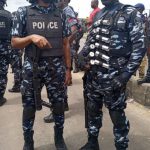
- The court premises were heavily guarded by a joint team of DSS, Police, and Civil Defence operatives; journalists were notably barred from the courtroom, and vehicular movement in the Ungwan Sarki axis was restricted.
- El-Rufai faces two separate cases: a federal suit for the conversion of public property and money laundering, and a state high court case involving alleged abuse of office and fraud.
The trial of former Kaduna State Governor Malam Nasir El-Rufai commenced today under a cloud of intense security and media restrictions.
Arriving at approximately 9:00 a.m. in a heavily guarded Hilux vehicle, El-Rufai remained inside for over thirty minutes before being escorted into the courtroom by a combined team of Independent Corrupt Practices and Other Related Offences Commission (ICPC) and Department of State Services (DSS) operatives.
EDITOR’S PICK
- Ogun Begins Crackdown on Illegal Parks at Sango Border Over Rising Accidents
- Police Nab 30-Year-Old ‘Super M’ During Stop-and-Search in Lagos
- LASG Launches Investigation Into Cosmetic Surgery Death
Clad in a light green babanriga, the former governor appeared composed despite the heavy presence of armed personnel that had cordoned off the old Nigerian Defence Academy premises since the early hours.

The ICPC, through its spokesperson John Odey, confirmed that the primary charges in suit FHC/KD/73/2026 involve the alleged conversion and possession of public property, as well as money laundering, alongside co-defendant Joel Adoga.
Simultaneously, a second set of charges has been filed at the Kaduna State High Court against El-Rufai and Amadu Sule, focusing on abuse of office and conferring undue advantage.
These legal moves follow a period of prolonged detention; El-Rufai was originally arrested by the EFCC on February 16, 2026, briefly granted bail, and then immediately re-arrested by the ICPC, leading to protests from his family and political groups like the African Democratic Convergence (ADC) over his constitutional rights.
The atmosphere around the court today reflected the gravity of the case, with local motorists facing significant disruptions as security teams forced traffic into a single lane.
While the ICPC reaffirmed its commitment to the rule of law and due process, the decision to bar journalists from the courtroom has raised questions among transparency advocates.
As the proceedings begin, the focus remains on whether the former governor will be granted bail or returned to custody as the two separate legal battles, one federal and one state-level, begin to move through the Nigerian judicial system.