- Honorary Degree Holders Barred from Using “Dr” Title in Nigeria
- Institutions without active PhD programmes will no longer be allowed to confer honorary degrees at all.
- Instead of using “Dr John Doe,” recipients should write formats such as “John Doe, D.Lit. (Honoris Causa)”
The Federal Government has announced a new policy prohibiting individuals who receive honorary degrees from using the title “Dr” before their names in any official, academic, or professional setting.
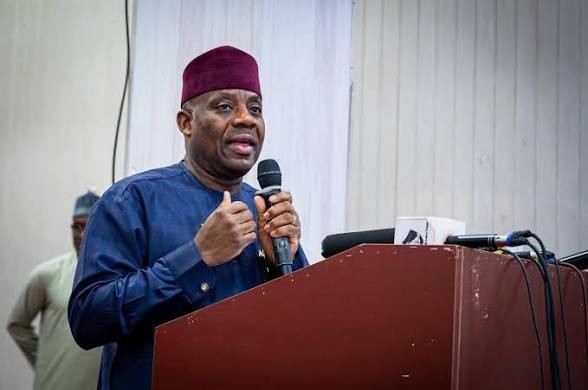
Eko Hot Blog reports that the Minister of Education, Tunji Alausa, made the announcement on Wednesday at the Presidential Villa in Abuja while briefing State House correspondents after a Federal Executive Council meeting.
EDITOR’S PICK
- 10 Nigerians Convicted in US Over $125m Internet Fraud Scheme
- Ikeja Electric Implements Load Shedding Amid Power Shortage
- Body of Man Killed by Police in Delta Not Missing – Police Command
According to him, the decision was approved by the Federal Executive Council as part of efforts to standardise how honorary degrees are awarded and used in Nigeria’s universities.
Alausa explained that the move is aimed at curbing what the government described as the growing abuse of honorary degrees, which have increasingly been used for social status, political recognition, and financial influence rather than academic merit.
He said cases have emerged where honorary awards are given to serving public officials or individuals without clear academic justification, thereby undermining the credibility of the system.
Under the new rule, recipients of honorary degrees are no longer allowed to place “Dr” before their names. Instead, they must clearly state the nature of the award after their names, along with the appropriate designation.
For example, instead of using “Dr John Doe,” recipients should write formats such as “John Doe, D.Lit. (Honoris Causa)” or similar, clearly indicating the honorary nature of the title.
The minister stressed that any attempt to present honorary degrees as earned academic qualifications will now be treated as academic fraud, with possible legal and reputational consequences.
The policy also limits Nigerian universities to awarding only four categories of honorary degrees: Doctor of Laws (LL.D), Doctor of Letters (D.Lit), Doctor of Science (D.Sc), and Doctor of Humanities (D.Arts).
In addition, institutions without active PhD programmes will no longer be allowed to confer honorary degrees at all.
Alausa noted that the National Universities Commission (NUC) will work with the Ministry of Education to enforce compliance, including monitoring convocation ceremonies and issuing guidelines to universities nationwide.
He added that a list of legitimate honorary degree recipients will now be published annually to help preserve the integrity of academic qualifications in the country.
The policy follows long-standing concerns within the academic community over the commercialization of honorary degrees, with universities often accused of awarding them in exchange for donations or political favour.
According to the minister, previous attempts to regulate the practice, such as the 2012 Keffi Declaration by university vice-chancellors, failed due to lack of legal backing. The new policy, however, now carries full federal authority and enforcement power.