- The case has been adjourned until June 1, 2026, for further hearing
- They stressed that regulatory bodies must operate within the limits of the law
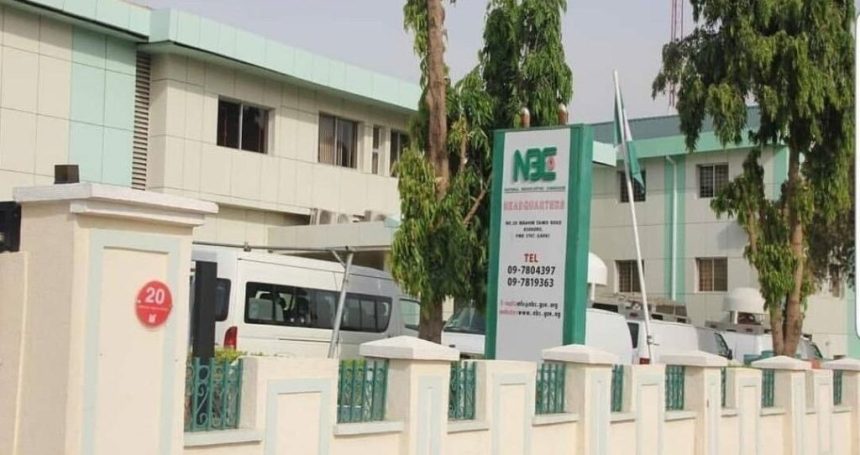
The Federal High Court in Lagos has issued an interim order preventing the National Broadcasting Commission from penalising broadcast stations and presenters over the expression of personal opinions or alleged lack of neutrality.
Eko Hot Blog reports that Justice Daniel Osiagor granted the injunction after an ex parte application was filed by the Socio-Economic Rights and Accountability Project and the Nigerian Guild of Editors.
EDITOR’S PICK
- Benue Mortician Arrested for Using Corpse Part as Walking Stick
- Baba Yusuf: Bandits May Reach National Assembly
- PDP Asks INEC To Withdraw Recognition Of Anyanwu As National Secretary
The ruling temporarily bars the NBC from enforcing certain provisions of the sixth edition of the Nigeria Broadcasting Code, particularly those cited in its recent directive to media organisations, pending the hearing of the substantive suit.
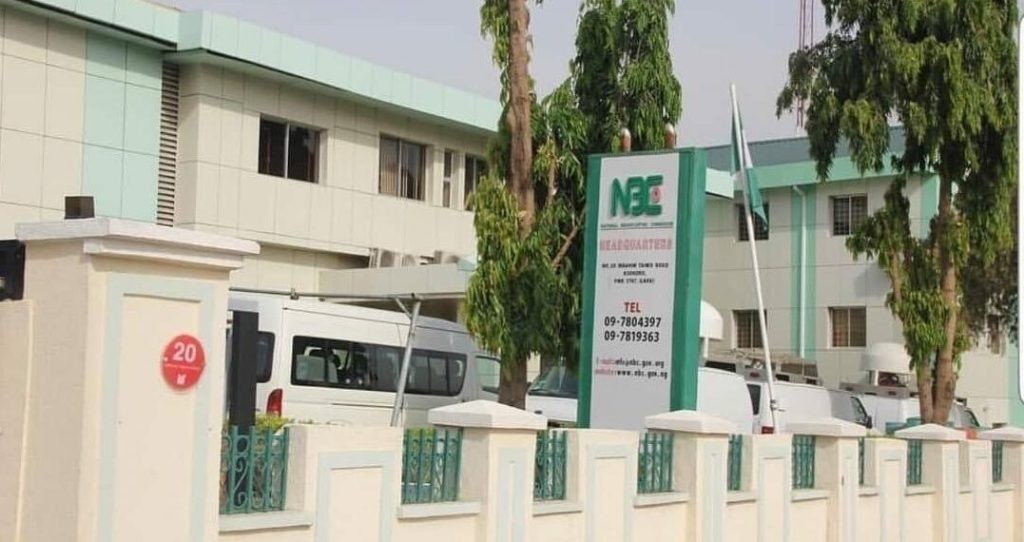
According to the court, the commission and its representatives are restrained from imposing fines, sanctions, or any form of enforcement action against broadcasters based on those contested rules.
The case has been adjourned until June 1, 2026, for further hearing.
Reacting to the development, SERAP and the Nigerian Guild of Editors described the decision as a major step in protecting press freedom and upholding constitutional rights. They stressed that regulatory bodies must operate within the limits of the law.
The groups had approached the court to challenge what they described as arbitrary attempts by the NBC to punish broadcasters for editorial opinions, alleged intimidation of guests, and perceived bias.
They argued that the provisions being enforced were vague and overly broad, warning that such measures could restrict freedom of expression and encourage self-censorship, especially ahead of the 2027 elections.
According to the applicants, opinion, analysis, and commentary are essential elements of journalism and are protected under both the Nigerian Constitution and international human rights standards.
They further maintained that while regulation of the media is necessary, it must be balanced, lawful, and proportionate to avoid undermining democratic discourse and the media’s role in holding leaders accountable.
FURTHER READING