The war between the United States (US), Israel, and Iran is no longer just a distant headline for Nigerians, it is arriving at the nearest petrol station.
EKO HOT BLOG reports thats the Dangote Petroleum Refinery, Nigeria’s dominant domestic fuel supplier, raised its petrol gantry price by N100 on Monday, moving the ex-depot rate from N774 to N874 per litre.
EDITOR’S PICKS
The revised price was already reflected on petroleumprice.ng by Monday evening.
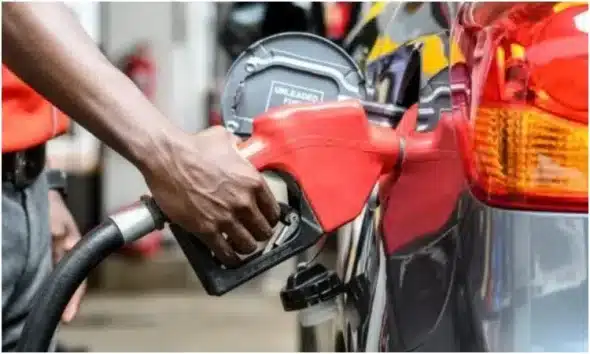
This new increase means that Nigerians may start buying petrol at more than N915 at filling stations across the country.
The hike came hours after the refinery suspended petrol loading operations from midnight on March 2, following a sharp surge in international crude prices, which crossed the $80 per barrel threshold overnight, up from $72.87 just days earlier, before US and Israeli strikes on Iran ignited the crisis.
For Nigerians who had only recently enjoyed pump prices as low as ₦815 per litre, the result of a brief but welcome price war between Dangote and independent importers, the reversal is swift and painful.
Experts warn of more pain ahead
Five energy experts, speaking separately to The PUNCH on Sunday, warned that the worst may not yet have arrived.
If crude oil prices climb above $90 per barrel — a realistic prospect given the trajectory of the conflict — Nigerians should expect further increases in petrol and diesel prices.
The experts said sustained hostilities in the Middle East would disrupt global supply chains, raise shipping and insurance costs, and push up both import and refining expenses.
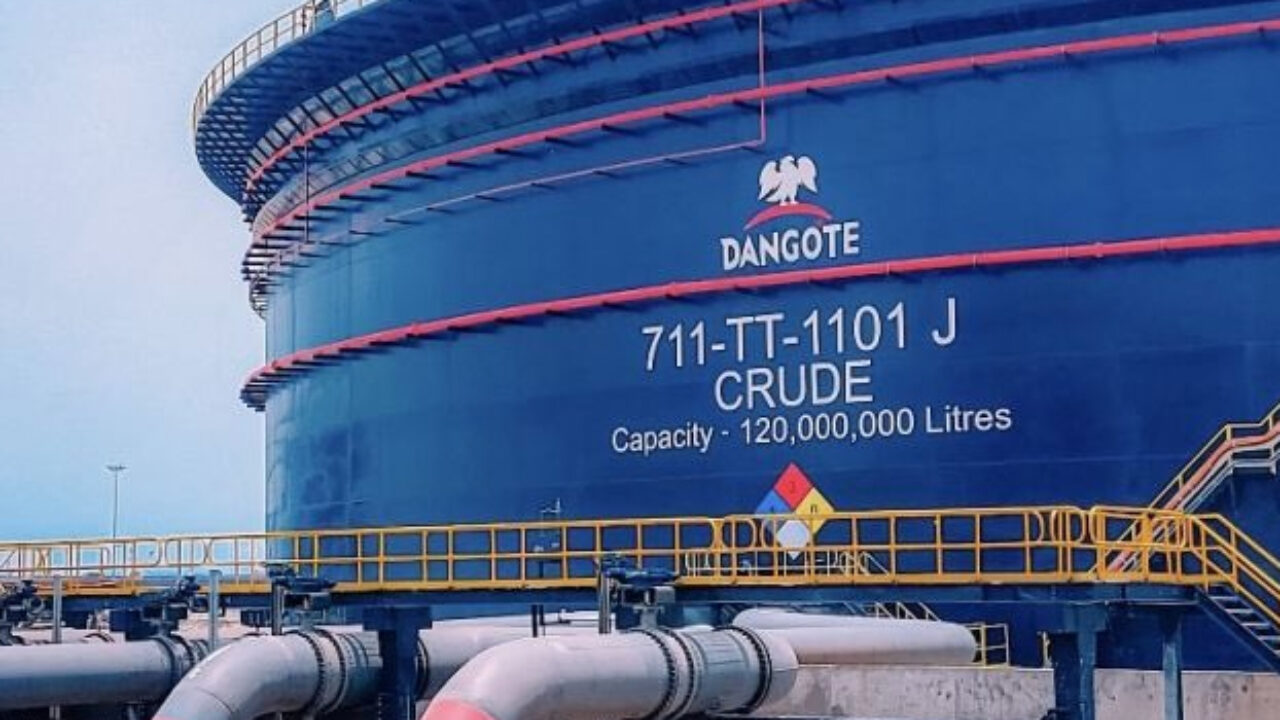
Even Nigeria’s growing local refining capacity, anchored by the Dangote facility, would not be enough to fully shield consumers from the fallout.
Their warnings were quickly borne out by events.
QatarEnergy, Qatar’s state oil company, announced on Monday that it had halted liquefied natural gas production after Iranian military attacks damaged its operating facilities.
Saudi Aramco shut down its Ras Tanura refinery following a fire caused by debris from an Iranian drone strike. Major container shipping lines suspended sailings through both the Strait of Hormuz and the Suez Canal, citing escalating security risks.
A conflict with global consequences
The trigger for the chaos was the joint US-Israeli military campaign that killed Ayatollah Ali Khamenei, Iran’s Supreme Leader, and Abdolrahim Mousavi, the country’s armed forces chief of staff. Iran has since responded with waves of ballistic missiles across the region, threatening to drag its neighbours into a widening war.
The Strait of Hormuz, through which roughly a fifth of the world’s daily oil supply passes, now sits at the heart of the crisis. Any sustained disruption to traffic through the waterway would send crude prices to levels not seen in years, with consequences felt at fuel stations across Nigeria.
FURTHER READING
In a deregulated market with no subsidy to blunt the blow, the link between a war thousands of miles away and the price a Nigerian pays to fill a tank is now direct and immediate. Monday’s price increase at the Dangote gantry is, by most accounts, only the beginning.
Philip Ibitoye is a Special Correspondent with EKO HOT BLOG. Click here to find daily analysis and critical insight on trending issues in Lagos and other parts of Nigeria.
Click to watch the video of the week below: