- Dollar To Naira Exchange Rate Today, March 16th, 2026
- Buying rate stands at ₦1420 across parallel market traders.
- Official CBN rates range between ₦1362 and ₦1374.
The Dollar to Naira exchange rate remains a key indicator for Nigeria’s financial market as businesses, importers and travellers monitor daily fluctuations in both the official and parallel markets.
EDITOR’S PICKS
- Governor Ahmadu Fintiri Defects To APC As Atiku’s Son Refuses To Dump PDP
- Should Governors Have To Join Ruling Party for ‘Greater Federal Support’?
- FEDSA National Pays Courtesy Visit to Lekki LCDA Chairman, Applauds Free JAMB Initiative
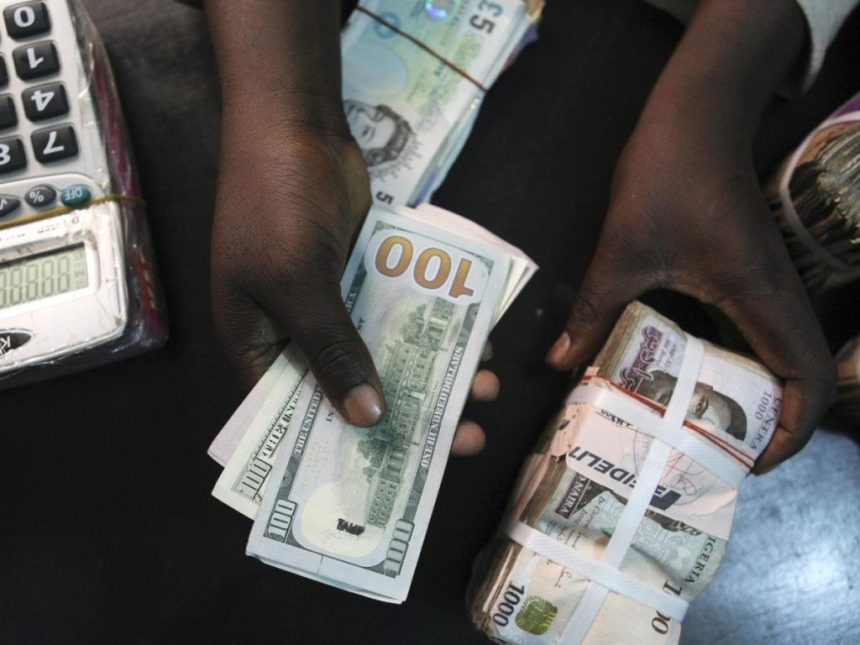
EKO HOT BLOG reports that as of today, Monday, March 16, 2026, the Nigerian Naira continues to trade at different levels in the black market and the official window managed by the Central Bank of Nigeria. Exchange rates usually vary depending on demand and supply conditions in the foreign exchange market.
In the parallel market, commonly known as the black market, Bureau De Change operators across major cities such as Lagos and Abuja exchange the dollar at higher rates than the official market due to strong demand for foreign currency.
Dollar to Naira Black Market Rate Today
| Dollar to Naira (USD to NGN) | Black Market Exchange Rate Today |
|---|---|
| Buying Rate | ₦1420 |
| Selling Rate | ₦1440 |
The black market rate reflects informal trading outside the official banking system, where individuals and businesses often obtain foreign currency for travel, school fees and import transactions.
Dollar to Naira CBN Official Rate Today
| Dollar to Naira (USD to NGN) | CBN Rate Today |
|---|---|
| Highest Rate | ₦1374 |
| Lowest Rate | ₦1362 |
Data from Nigeria’s official foreign exchange market indicates that the naira continues to trade around the ₦1,300 to ₦1,400 range per dollar in recent sessions, reflecting moderate volatility in the currency market.
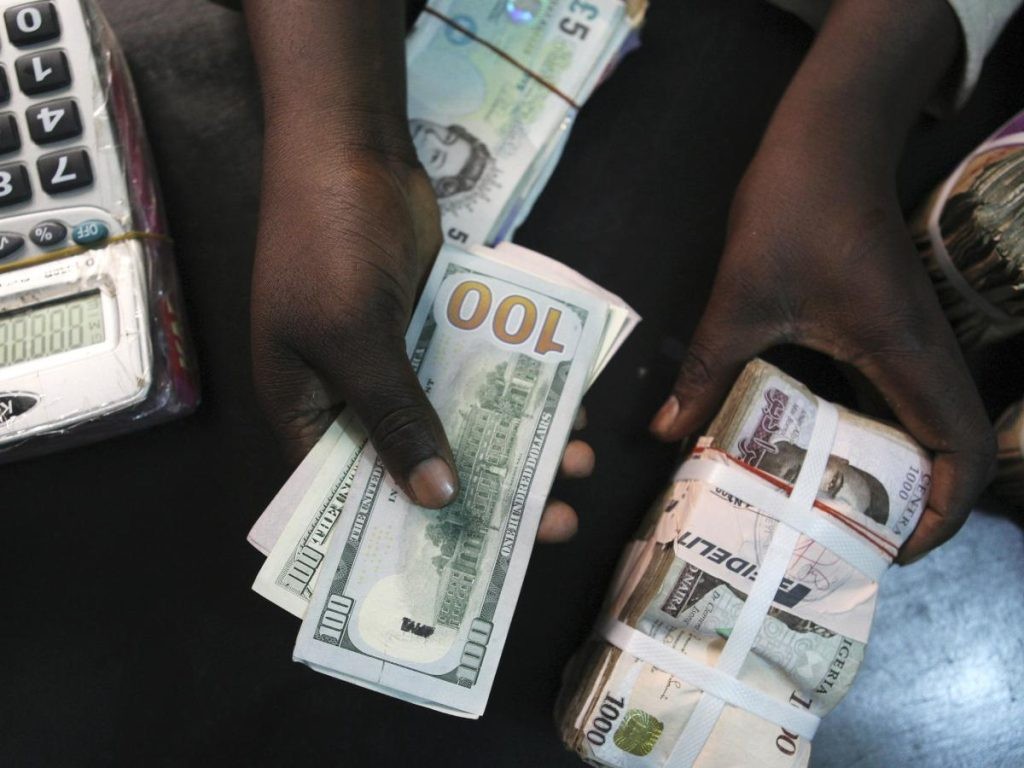
Economic analysts say factors such as foreign reserves, import demand and government monetary policies continue to influence the exchange rate. The gap between the official and parallel market rates also remains a major indicator of demand pressure for foreign currency in Nigeria.
FURTHER READING
- Fire Breaks Out At Jama’a Emir’s Palace In Kaduna
- ‘Security Is Local’ – Tinubu Makes Fresh Case for State Policing
- Nigeria’s GDP Grows by 4.07% in Q4 2025, NBS Reports