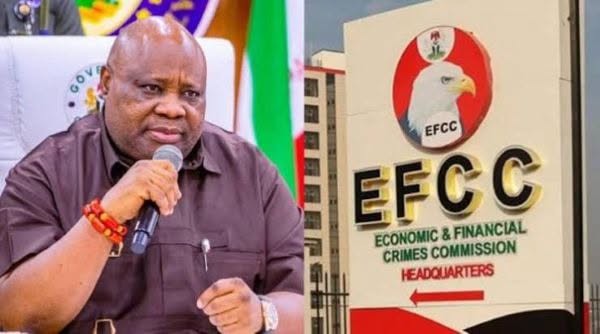
Since news broke of the decision of the Economic Financial Crimes Commission (EFCC) to freeze the bank account of the Osun State Government, many people have focused on the politics and that is to be expected. After all, the governorship election holds in less than two weeks.
But one overlooked issue is how easy it was for a federal government agency to take over the treasury of a subnational government and what that says about Nigeria’s supposed federal system of governance.
EDITOR’S PICKS
Strip away the names, the parties and the election date, and what remains is a structural question: how much financial independence does a Nigerian state have, and how far can a federal agency go before it needs a judge’s permission?
A test of federalism
Nigeria calls itself a federation, but moments like this show how thin that label can be. In a true federal structure, a state has its own treasury, protected from federal agencies unless a court says otherwise.
Could the anti-fraud division of the US Department of Justice simply freeze Minnesota’s state account on suspicion of fraud? It could not, not without a judge’s order, usually backed by a grand jury finding, and a state could contest that order in court almost immediately.
Nigeria’s EFCC skipped that process, writing directly to Osun’s bank to order a post-no-debit restriction without a court order.
What sharpens this is which account was frozen: not a random fund, but the statutory allocation account, through which Osun receives its constitutionally guaranteed share of federal revenue under Section 162, the account that pays salaries and keeps government running.
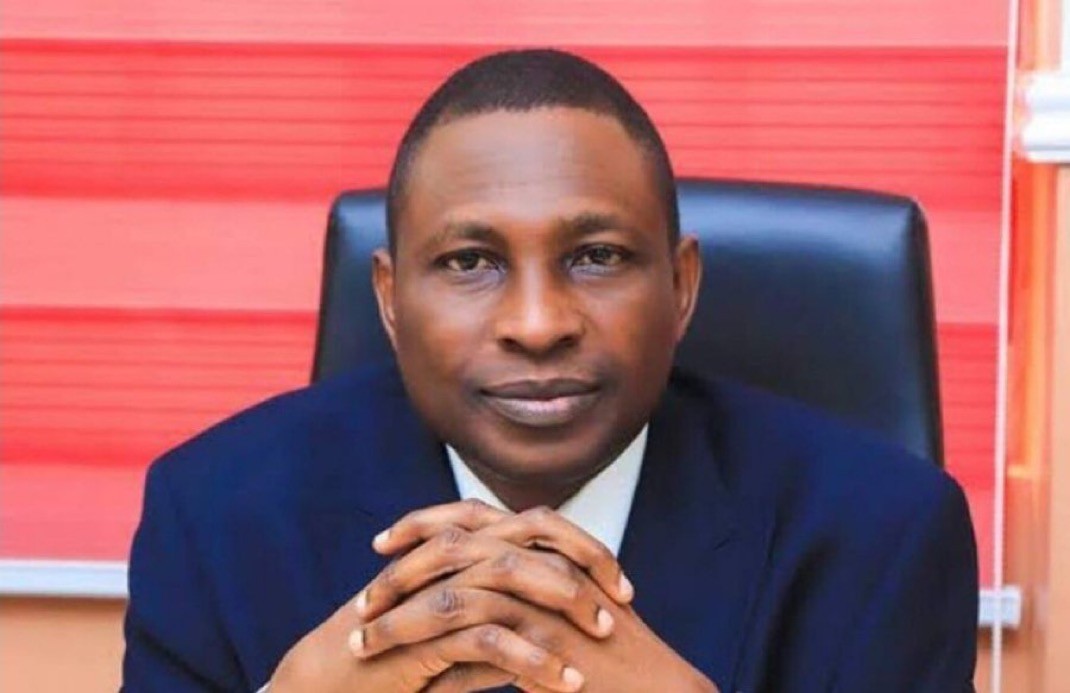
The letter was signed on behalf of the EFCC’s director of investigation, not any judge. A decision able to disrupt a state’s finances required nothing more than an internal sign-off. A legal basis to investigate is not the same as power to unilaterally shut down a treasury. That gap is where Nigeria’s federalism is being tested.
Will the courts move fast enough?
Osun has gone to the Federal High Court in Osogbo to challenge the freeze, the correct democratic response.
But Nigerian courts are not known for speed, and the election is days away. A ruling that arrives weeks later will have done little to undo whatever damage the freeze causes in the meantime.
A federal system where a state must beg for urgent relief, and may not get it in time, has a real design flaw.
Two accounts of the same freeze
The EFCC says it has investigated the state since March over alleged misuse of Ecology, Intervention and FAAC funds, and only froze the account after noticing suspicious transfers out of it beginning August 2.
That timeline invites a question: if the investigation ran quietly for five months, what changed in three days, besides the calendar closing in on August 15? The commission has not published the figures or destinations of those transfers.
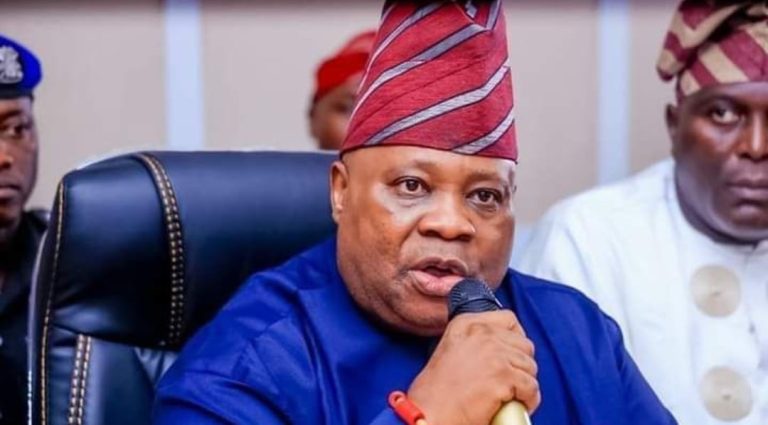
Osun’s Attorney-General counters that the EFCC may investigate an account but needs a court order to freeze one. The finance commissioner went further, insisting the governor is not funding his campaign from state coffers, a claim only the EFCC’s own audit trail can confirm, but has not.
The politics that cannot be ignored
The EFCC’s job is to investigate financial crimes, not referee elections. Yet its statement points to no actual crime, only an investigation and a pattern of transfers it found suspicious, a lower bar than proof of wrongdoing.
The suspicion is not new. Weeks before the freeze, a campaign group aligned with the APC’s Osun governorship campaign had already urged the EFCC to freeze accounts over alleged ghost-worker payments. When the freeze materialised so close to the same election, it lent weight to the idea that the commission may be acting on a script written by one side of the contest.
It is also worth noting that Ekiti State, governed by the APC, held its own governorship election in June without its account being frozen. Osun’s governor is of the Accord party.
A preview of 2027?
That contrast raises a bigger question than Osun alone: will the EFCC freeze other opposition-held states’ accounts as the 2027 general election nears? If oversight only tightens around states run by parties challenging the party in the centre, Nigerians will start reading every EFCC letter to a bank as a political document, not a legal one.
FURTHER READING
The commission may insist this has nothing to do with politics, but the pattern makes that claim hard to accept. Whether or not funds were misused, the freeze has already planted doubt in voters’ minds about their taxes, days before they vote. An agency that prizes its independence should think harder about how easily its actions can look like a hand on the scale, with a bigger election still to come.
Philip Ibitoye is a Special Correspondent with EKO HOT BLOG. Click here to find daily analysis and critical insight on trending issues in Lagos and other parts of Nigeria.
Click to watch the video of the week below: