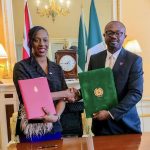
- EFCC Chairman Ola Olukoyede has called on Nigerian Muslims to sustain the virtues of discipline, self-denial, and anti-corruption beyond the month of Ramadan.
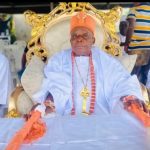
- The Emir of Dass, Alhaji Usman Othman II, emphasized that tackling insecurity is a collective responsibility, urging citizens to prioritize prayers for national peace and unity.
- Both leaders spoke on Friday, March 20, 2026, marking the occasion of Eid-el-Fitr and the successful completion of the 30-day fast.
The Executive Chairman of the Economic and Financial Crimes Commission (EFCC), Ola Olukoyede, has urged the Muslim Ummah to carry the spiritual lessons of Ramadan into their daily lives.
Eko Hot Blog reports that in his Sallah message delivered in Abuja, Olukoyede underscored that the values of purity and sacrifice are essential building blocks for a corruption-free Nigeria.
EDITOR’S PICK
- Ogun Begins Crackdown on Illegal Parks at Sango Border Over Rising Accidents
- Police Nab 30-Year-Old ‘Super M’ During Stop-and-Search in Lagos
- LASG Launches Investigation Into Cosmetic Surgery Death
“As we celebrate Eid-el-Fitr, let us continue to uphold the principles of discipline, self-denial, and commitment to higher ideals,” the EFCC boss stated.
He highlighted that personal integrity is a vital component of national development, adding that “the best of us is what is good for the best of our nation.”
Parallel to this, in Bauchi State, the Emir of Dass, Alhaji Usman Othman II, addressed worshippers following the Eid prayers, focusing on the nation’s security challenges.
The monarch stressed that the fight against insecurity cannot be won by the government alone. “Security is everyone’s business. All hands must be on deck to succeed in the fight against recurring insecurity,” he remarked.

The Emir also took the opportunity to commend the Bauchi State Government for its ongoing developmental projects within the emirate, while the Deputy Chief Imam, Ishaq Ismail, offered prayers for those affected by unrest across the country.
The combined messages from the nation’s foremost anti-corruption agency and the traditional institution reflect a shared vision: that Nigeria’s path to stability lies in a marriage of individual righteousness and collective civic responsibility.
As the Eid celebrations continue, these calls for unity and law-abiding conduct remain a central theme for the festivities.