The Federation Account Allocation Committee (FAAC) has sparked concerns following an unusual delay in releasing details of December 2025 revenue shared amongst Nigeria’s three tiers of government.
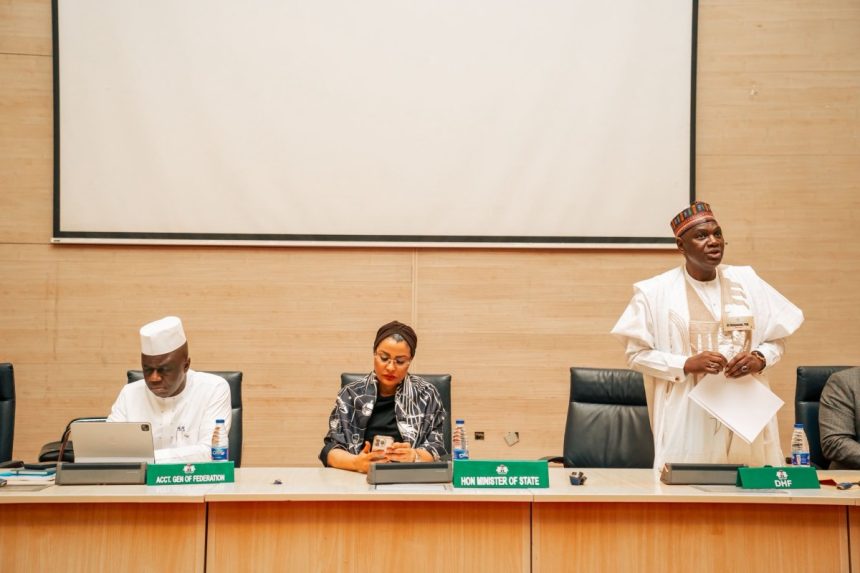
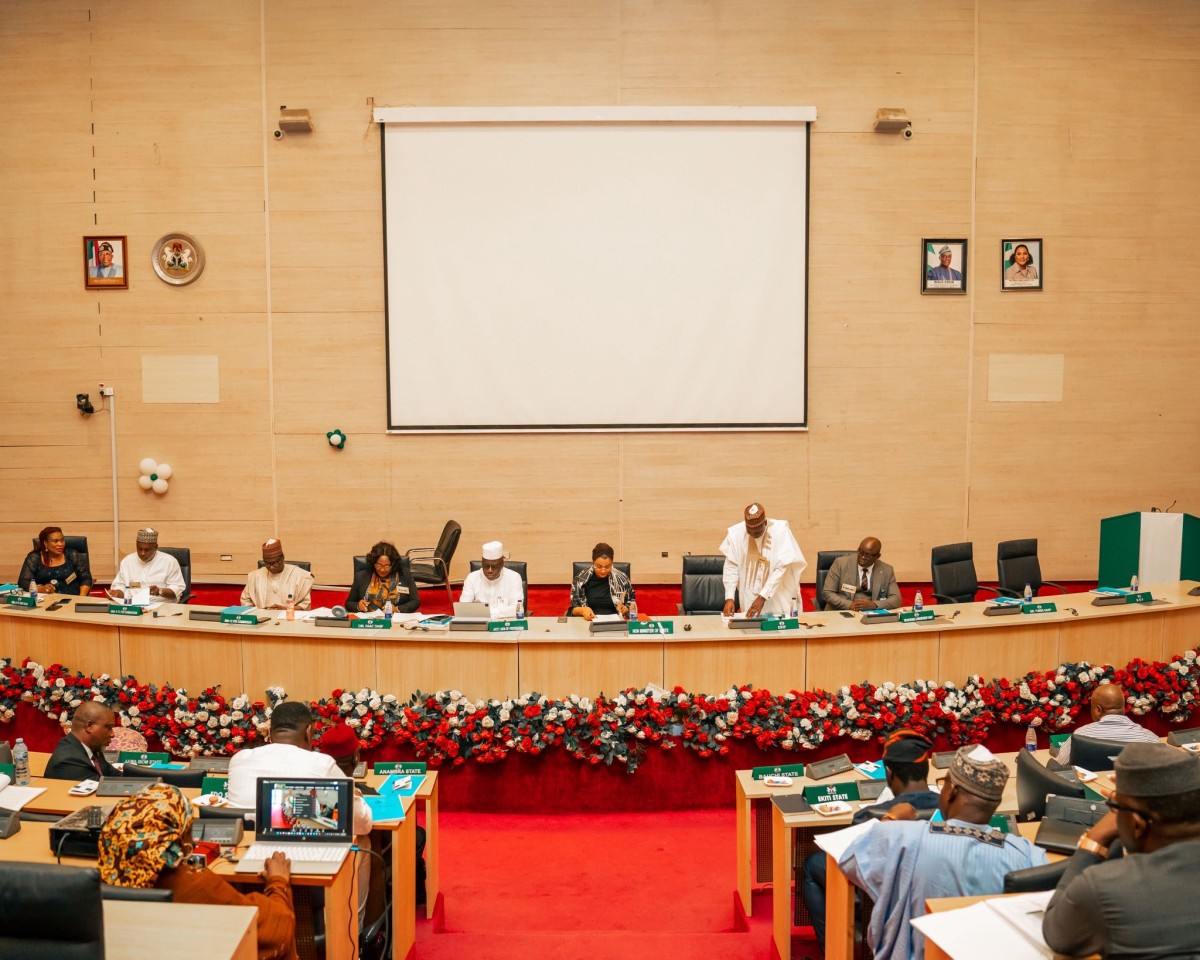
Eight days after the Minister of State for Finance, Doris Uzoka-Anite, announced that the January meeting had been held, the communique detailing the allocation remains unavailable to the public.
EDITOR’S PICKS
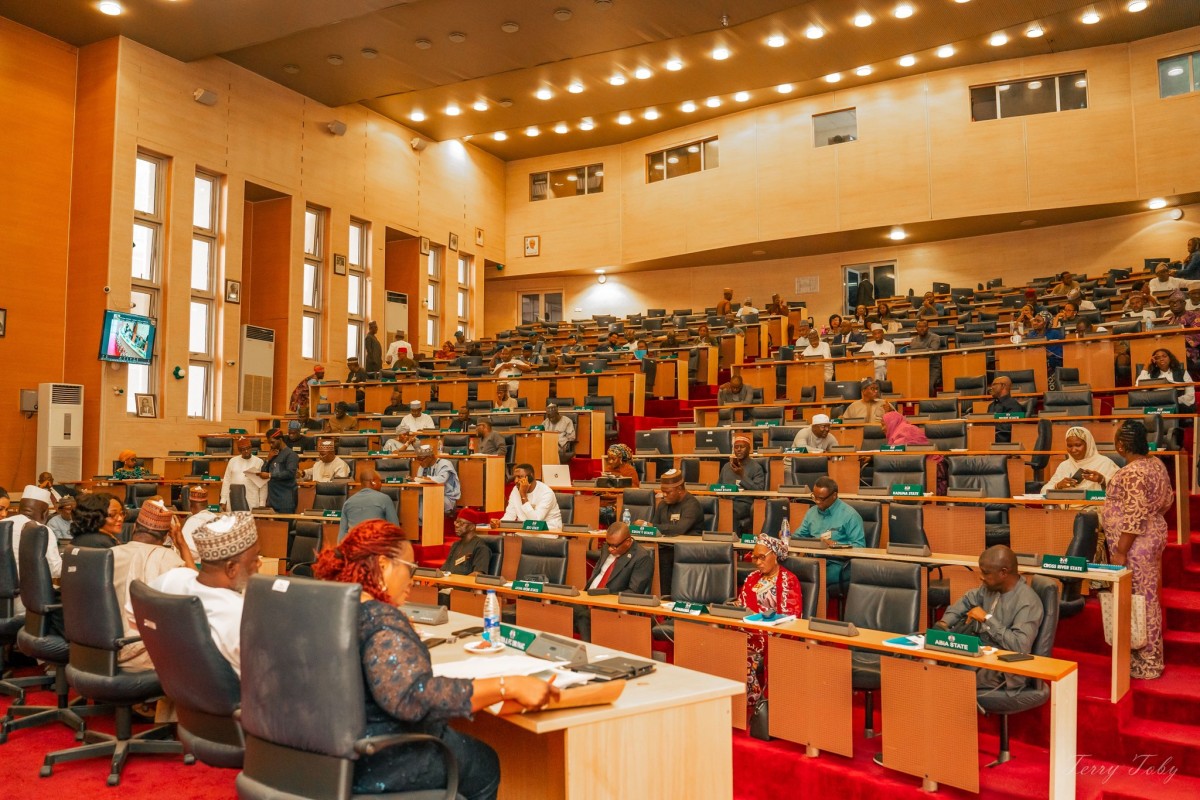
In a post on X on January 21, Uzoka-Anite shared pictures from the meeting, stating: “Chairing the first FAAC Meeting of 2026.”
The delay is particularly striking when compared to recent practice. In contrast, FAAC released the communique for the November allocation on the same day as their December 15 meeting.
The FAAC communique typically consists of the amount shared between the federal government, states, and local governments from revenue Nigeria generates monthly. Under the current revenue-sharing formula, 52.68 per cent goes to the federal government, 26.72 per cent to the states, and 20.60 per cent to local governments. Oil-producing states receive an additional 13 per cent as a derivation fund.
Every month, FAAC allocates federal revenue to all 36 states and 774 local governments in Nigeria, with details released at the conclusion of every meeting.
Experts Raise Alarm
The head of financial institutions ratings at Agusto & Co., Ayokunle Olubunmi, suggested the delay might stem from disagreements amongst stakeholders.
“Oftentimes, what might likely happen could be whether there are some areas that they didn’t agree on or some things that they need to reconcile. But it’s strange given as that may be,” he said, according to The Cable.
Olubunmi added that it was unusual “they didn’t issue any communique out of it”, noting that transparency would be preferable.
“I don’t think it’s something that is good enough because it’s good for us to know the existing finances of the federation,” he said.
He warned that without clarity on whether revenue had been shared, concerns about delayed salary payments could arise.
“Although there are some concerns now that it might delay salary payment, that’s if they have not shared it,” Olubunmi said. “But we don’t know if they’ve shared or when they plan to reconvene.”
Potential Economic Impacts
Ken Ife, a professor and lead consultant on private sector development to the ECOWAS Commission, told the News Agency of Nigeria (NAN) that the delay could pose fiscal challenges.
“The postponement of revenue sharing creates a ripple effect, delaying the payment of salaries for workers and hindering payments to contractors, which, in turn, reduces productivity and overall economic activity at the state level,” he said.
Ife explained that states and local governments heavily rely on these allocations to fund developmental projects and meet salary obligations.
“This could lead to sub-national fiscal liquidity pressure as they heavily rely on these allocations to fund developmental projects and, in some cases, meet salary obligations,” he said.
Possible Reasons for Delay
Ife suggested several factors could be responsible for the delay, including disagreements over revenue remittances to the federation account, particularly from the Nigerian National Petroleum Company (NNPC) Limited.
“It could also be due to administrative bottlenecks in implementing new fiscal Reform Act 2025 and ongoing fiscal policies issues such as implementation of Supreme Court decision on Local Govt fiscal autonomy,” he said.
The expert also cited the persistent challenge of local governments failing to provide designated bank accounts for direct disbursements, forcing funds to be routed through state governments and undermining intended autonomy.
Additionally, Ife pointed to potential disputes between state governments and NNPC over oil revenue remittances, particularly during periods of lower production or high operational costs.
FURTHER READING
He noted that the delay could also result from “the arbitrary waiver of significant NNPC financial obligations to the federation account without proper consultation and agreement with sub-national governments”.
Philip Ibitoye is a Special Correspondent with EKO HOT BLOG. Click here to find daily analysis and critical insight on trending issues in Lagos and other parts of Nigeria.
Click to watch the video of the week below: