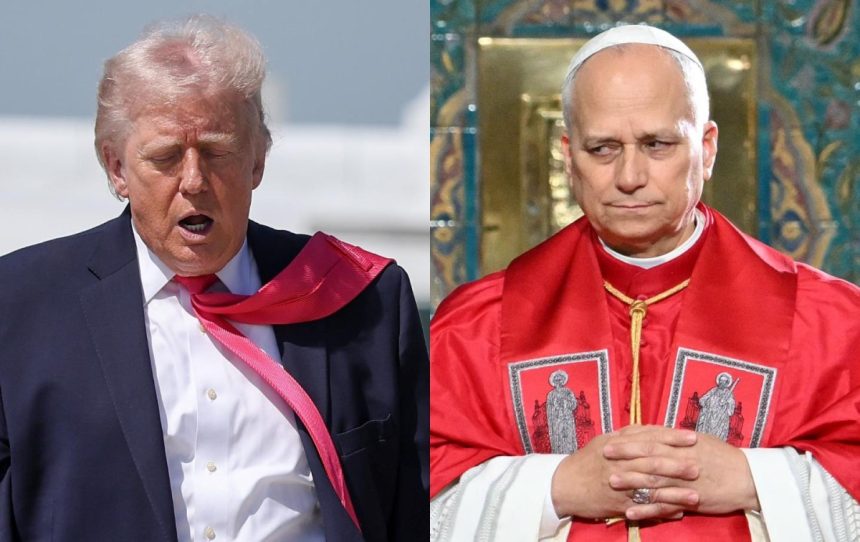
At the center of it is a widening divide over war, morality, and the role of leadership in times of global instability.
EDITOR’S PICKS
- JAMB Delists 23 CBT Centres, Warns 89 After Mock UTME Review
- NASA Astronauts Return to Earth After First Human Trip to the Moon in 50 Years
- INEC Shifts Nationwide Voter Revalidation Until After 2027 General Election
The current standoff traces back to the early days of the U.S.-led military operation against Iran, a campaign that immediately drew global attention and concern. While the White House framed the strikes as necessary to neutralize threats, the Vatican took a more cautious tone.
From the outset, Pope Leo XIV urged restraint. His early statements focused on the human cost of war and the long-term consequences of escalating violence. What began as a general appeal for peace gradually evolved into more pointed criticism as the conflict intensified.
The Pope’s language, rooted in religious doctrine, emphasized compassion and moral responsibility. He warned against what he described as a dangerous cycle of retaliation that could spiral beyond control.
That message did not sit well in Washington.
From Disagreement To Direct Attacks
President Trump responded forcefully, shifting the conversation from policy differences to personal criticism.
In a series of public statements and social media posts, he accused the Pope of misunderstanding global security threats and failing to acknowledge the dangers posed by hostile regimes.
The president framed his actions as a fulfillment of his electoral mandate, arguing that national security decisions must be grounded in practical realities rather than moral idealism.
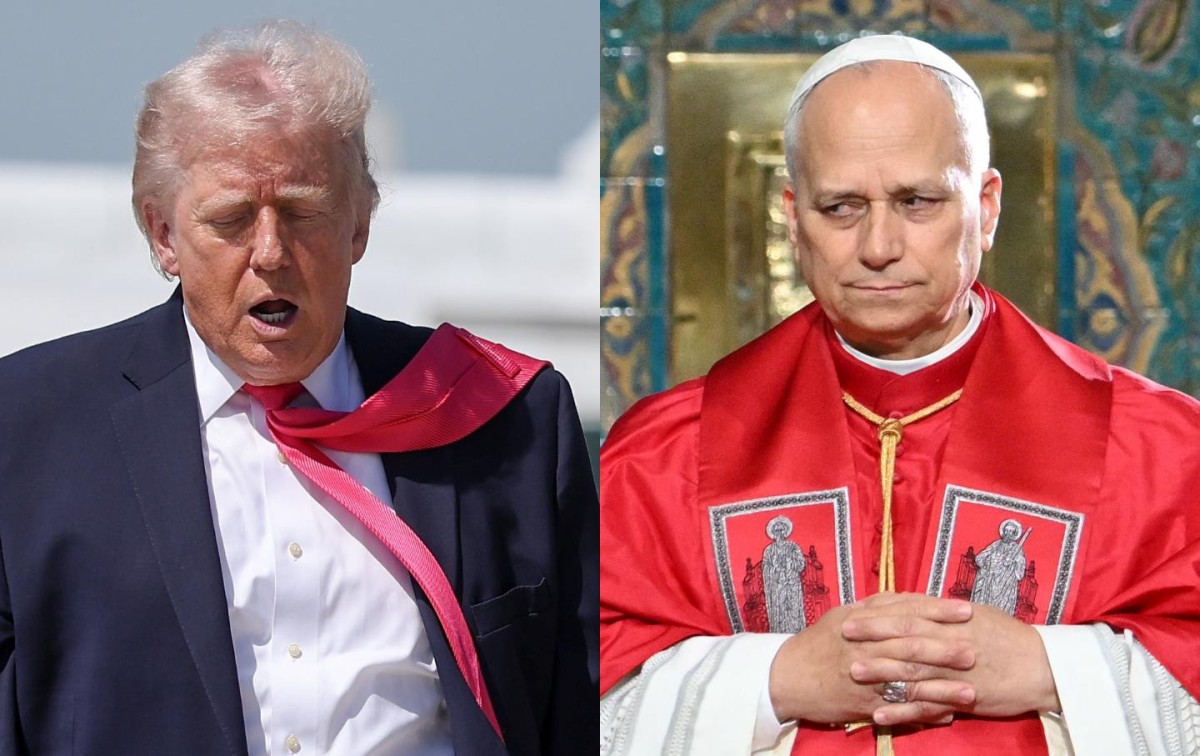
What made the situation more volatile was the tone. The disagreement quickly lost the diplomatic restraint typically seen in exchanges involving religious leaders. Instead, it became a blunt and highly public confrontation.
Trump described the Pope as out of touch with issues such as crime and global security, while also questioning his influence and leadership.
Expanding The Conflict Beyond War
While the Iran conflict served as the trigger, underlying tensions had been building for months. Even before ascending to the papacy, Leo had expressed concern over U.S. immigration policies, particularly large-scale deportation efforts.
Those earlier remarks resurfaced during the dispute, reinforcing the perception that the divide between the two leaders extended beyond a single issue.
For the Vatican, these concerns were consistent with longstanding teachings on human dignity and compassion for migrants. For the Trump administration, they were seen as interference in domestic policy.
The result was a layered conflict that touched on war, immigration, and the broader role of moral authority in governance.
Allies And critics Enter The Fray
As the disagreement escalated, other political and religious figures began to weigh in, further intensifying the debate.
Senior U.S. officials defended the president’s stance, arguing that religious leaders should avoid direct involvement in political decision-making. Some framed the Pope’s comments as overstepping traditional boundaries between spiritual guidance and state policy.
At the same time, voices within the Catholic community expressed support for the Pope, emphasizing that speaking out on issues of war and human suffering is central to the Church’s mission.
International reactions added another dimension. Leaders from outside the United States criticized the tone of the attacks on the Pope, framing them as disrespectful to a global religious figure.
This widening circle of commentary transformed the dispute into a broader conversation about the intersection of faith and power.
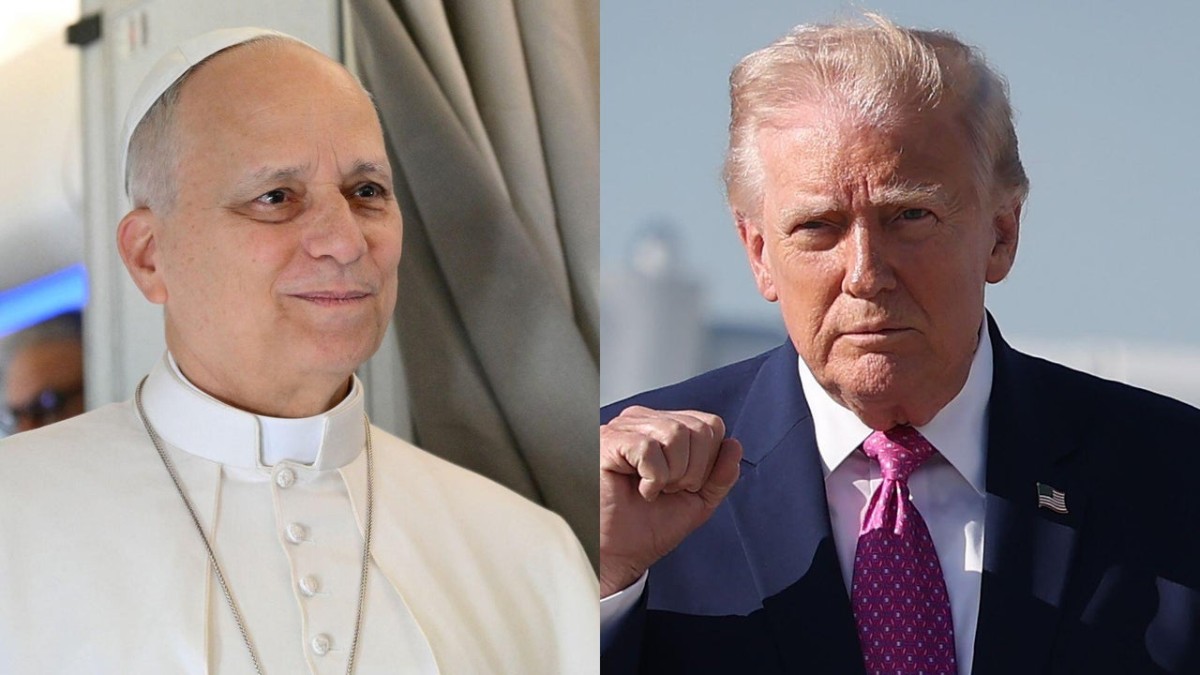
The Pope’s Measured Response
Despite the intensity of the criticism, Pope Leo XIV has largely avoided direct confrontation. His responses have remained focused on principles rather than personalities.
He has repeatedly stated that his role is not to engage in political battles but to advocate for peace and moral reflection. His speeches have emphasized the importance of dialogue, urging leaders to consider the human consequences of their decisions.
In one notable remark, he suggested that religious leaders must speak even when their message is uncomfortable, reinforcing his commitment to addressing global issues from a moral perspective.
This approach has contrasted sharply with the president’s more combative rhetoric, highlighting the fundamental difference in their communication styles.
A Deeper Ideological Divide
At its core, the conflict reflects two competing worldviews.
On one side is a political approach that prioritizes national security, strength, and decisive action. On the other is a moral framework that emphasizes restraint, compassion, and the long-term consequences of violence.
Neither perspective is new, but the direct and public nature of this clash has brought the tension into sharper focus.
It also raises questions about the evolving role of religious leaders in global affairs.
In an increasingly interconnected world, their voices can carry significant influence, especially on issues that transcend national borders.
What Comes Next
Despite the heated exchanges, there are signs that neither side is seeking a formal escalation. President Trump has indicated that disagreement does not necessarily equate to conflict, while the Vatican has downplayed the idea of an ongoing feud.
Still, the episode has left a lasting impression.
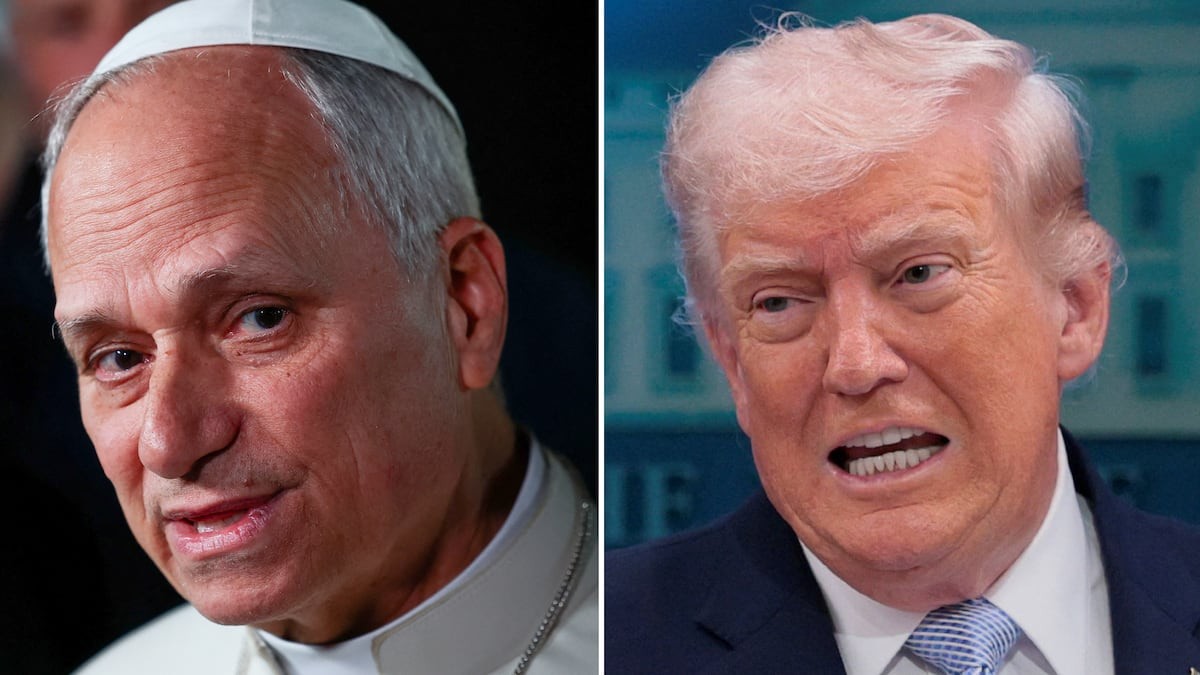
It has highlighted how quickly differences in perspective can evolve into personal disputes at the highest levels of power. It has also underscored the challenges of balancing moral authority with political decision-making in a world defined by complex and often volatile crises.
For now, the rhetoric may cool. But the underlying issues remain unresolved, suggesting that this tension could resurface as global events continue to unfold.
In the end, the clash between Washington and the Vatican is about more than two individuals.
It is a reflection of a broader struggle over how the world should navigate conflict, responsibility, and the pursuit of peace.