- Nigeria’s Pig Farming Boom
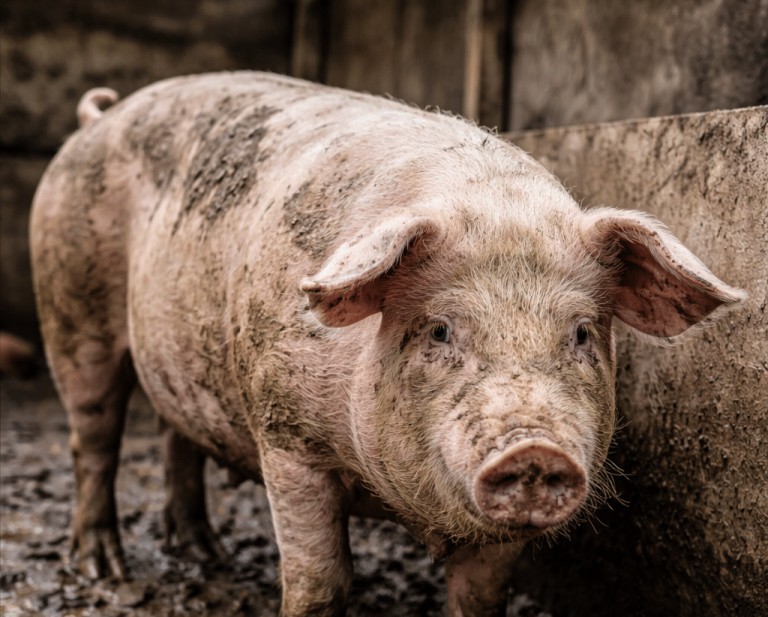
Nigeria’s pig farming sector sits at a difficult crossroads. Demand for pork is rising steadily across major urban centres, yet local production continues to lag, leaving the country heavily dependent on imports and small scale farmers overstretched. This imbalance reflects deeper structural weaknesses in Nigeria’s agricultural system and the limited attention given to livestock beyond poultry and cattle.
EDITOR’S PICKS
- Kano: ‘I Will Not Abandon Kwankwaso’ – Gov Yusuf’s Aide Resigns
- 5 Health Risks Men Face After Age 40
- CBN to Introduce New Policy to Regulate Debit Card Issuance, ATM Operations
With a population exceeding 230 million, Nigeria’s appetite for affordable animal protein is expanding. Pork has quietly become one of the beneficiaries of this shift, particularly in southern and central states where cultural acceptance is high. Restaurants, hotels and fast food outlets now feature pork more prominently, driven by its relative affordability compared to beef and goat meat. Industry estimates suggest Nigeria consumes over 600,000 metric tonnes of pork annually, yet local producers supply only a fraction of this demand.
This gap has created opportunity, but also frustration. For small and medium scale farmers, piggery remains one of the fastest growing livestock ventures due to pigs’ rapid growth rate and high reproductive capacity. A single sow can produce multiple litters annually, making pig farming attractive to new entrants with limited land. Farmers argue that start up costs can be flexible, depending on scale and management choices, allowing beginners to ease into the business.
Profitability, on paper, is not the problem. Mature pigs now sell for close to ₦200,000 in some markets, while urban pricing per kilogram continues to rise. However, these margins are increasingly threatened by rising feed costs, disease risks and weak infrastructure. Feed alone accounts for a significant portion of production expenses, and fluctuating prices of maize, soybean and palm kernel cake have made planning difficult. Inflation has worsened the situation, squeezing farmers’ cash flow and discouraging expansion.
Disease remains the sector’s most serious threat. African Swine Fever continues to wipe out herds, with limited compensation or coordinated control efforts. Many farmers operate without proper biosecurity systems or regular veterinary support, leaving outbreaks largely unmanaged. This risk has also made banks hesitant to finance pig farming, reinforcing the sector’s dependence on personal savings and informal credit.
Beyond the farm gate, Nigeria lacks the processing and cold chain infrastructure needed to formalise pork markets. Most sales occur informally, limiting quality control and discouraging large scale investment. Cultural and religious barriers in parts of the country further complicate expansion, reinforcing the perception of pig farming as a regional rather than national business.
Yet the opportunity remains significant. Processed pork products, organic manure and institutional supply contracts offer additional income streams. What is missing is deliberate policy support. Farmers consistently point to the need for subsidised feed, stronger veterinary services, improved access to finance and investment in processing facilities.
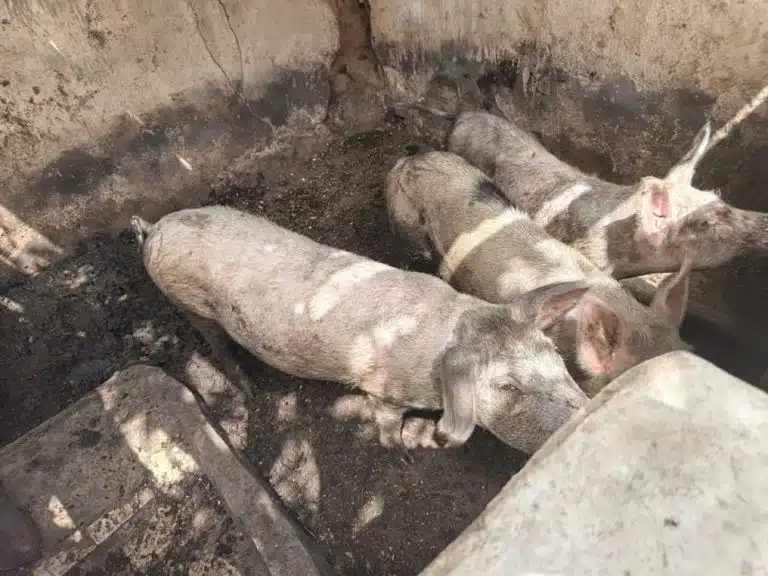
Nigeria’s pork demand is not slowing. The question is whether policy makers will allow imports to continue filling the gap or finally support local pig farmers to scale sustainably. For now, pig farming survives on resilience and passion. With the right interventions, it could become a serious contributor to food security, jobs and non oil agricultural growth.