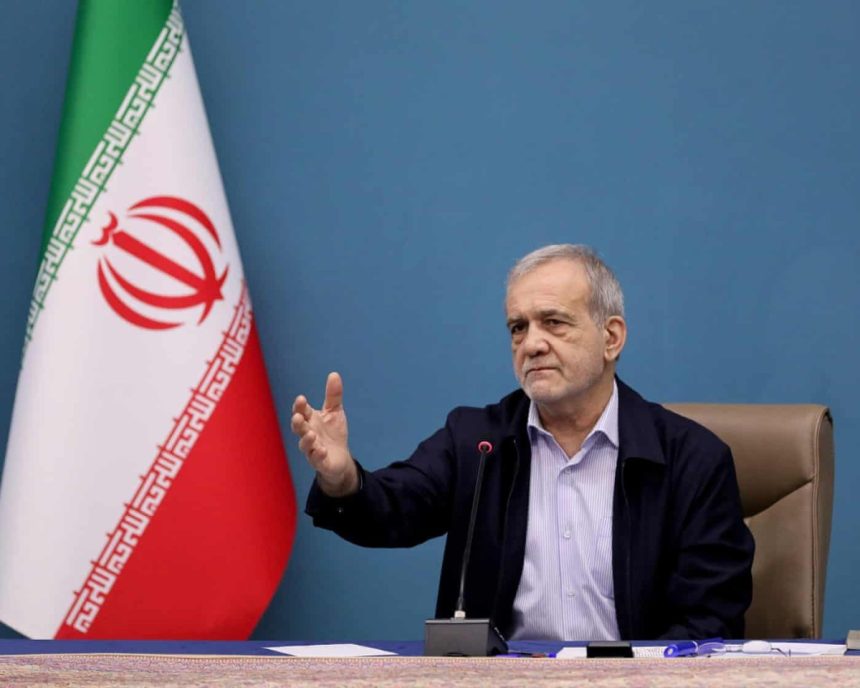
- He said the government had decided that missiles would no longer be fired at neighbouring states unless Iran is first attacked from those locations
- He declared that those expecting Iran to surrender would never achieve that goal
- Iran responded with a wave of missile and drone attacks aimed at Israeli and American-linked sites across the Gulf region
Iran’s president, Masoud Pezeshkian, has apologised to neighbouring countries affected by Iranian strikes during the recent conflict involving Iran, Israel and the United States, assuring them that Tehran will avoid targeting them unless attacks are launched from their territories.
In a televised address broadcast by Iranian state media, Pezeshkian expressed regret over the impact of the strikes and said Iran’s interim leadership had agreed to halt attacks on nearby countries.
EDITOR’S PICK
- Nigeria Awaits FIFA Verdict On DR Congo Player Eligibility Dispute
- Trump Says Diplomacy Is “Much Easier” Now After Decapitating Strikes on Iran
- Senate Targets 2026 for State Police Amendment
He said the government had decided that missiles would no longer be fired at neighbouring states unless Iran is first attacked from those locations.
Despite the apology, the Iranian president stressed that his country would not yield to external pressure.
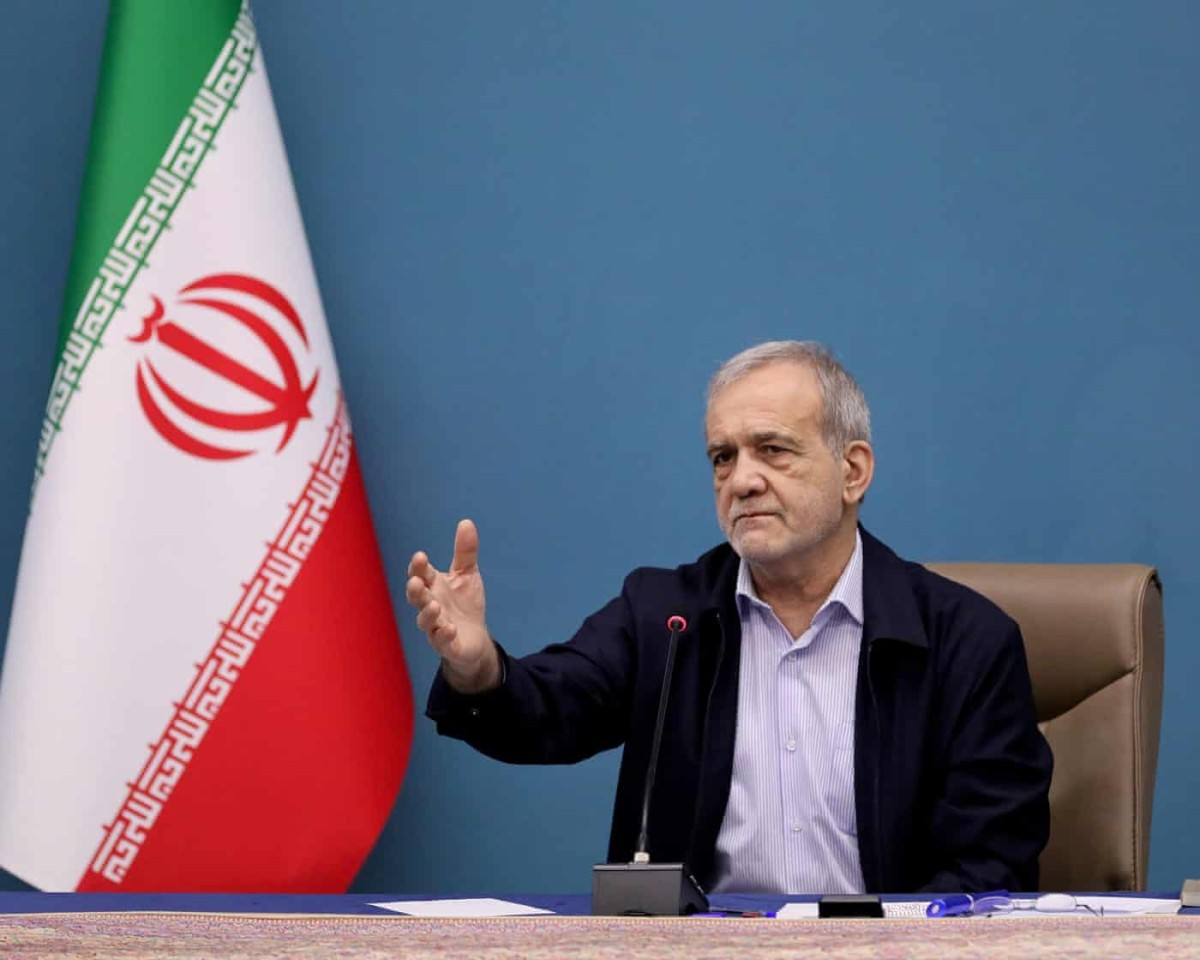
He declared that those expecting Iran to surrender would never achieve that goal, emphasising that the Iranian people would continue to resist such demands.
The statement comes after a major escalation in the conflict that began when the United States and Israel launched coordinated airstrikes across Iran on February 28 following stalled negotiations over Tehran’s nuclear programme.
The military operation, reportedly named Operation Epic Fury, targeted several Iranian cities including Tehran. The strikes were said to have killed Iran’s supreme leader, Ali Khamenei, along with members of his family.
Iran responded with a wave of missile and drone attacks aimed at Israeli and American-linked sites across the Gulf region. Targets reportedly included locations in Dubai, Abu Dhabi, Qatar, Kuwait and Bahrain.
Reports indicated that explosions near Dubai International Airport left several people injured, while other strikes damaged areas such as Palm Jumeirah and the luxury hotel Burj Al Arab. Debris from intercepted drones also reportedly caused a fire at the US consulate in Dubai.
In Bahrain, a missile strike hit a government-owned oil refinery. Meanwhile, Qatar’s Ministry of Defence reported that 14 ballistic missiles and four drones had been launched toward the country, with one striking the Al Udeid Air Base.
There were also reports of an attack on facilities belonging to Saudi Aramco in Saudi Arabia, although Iranian officials denied responsibility.
Reacting to the developments, Saudi Arabia’s defence minister, Khalid bin Salman, warned Tehran against further escalation.
He said Saudi forces had intercepted several attempted missile and drone attacks targeting a military air base hosting US troops and an important oil facility.
Saudi authorities also reported earlier drone attacks aimed at the Ras Tanura Refinery, one of the country’s major energy installations.
FURTHER READING