- Information from within Iran has been limited due to a nationwide internet shutdown imposed by authorities
- The unrest, which began late December over worsening economic conditions and soaring inflation
- His remarks came as Israeli officials reportedly placed their security forces on heightened alert over the possibility of U.S. involvement
Iran has issued a stern warning that any military action by the United States would trigger retaliation against Israel and American military installations across the region, as tensions continue to rise amid widespread unrest inside the country.
Eko Hot Blog reports that the threat was delivered on Sunday by Iran’s Parliament Speaker, Mohammad Baqer Qalibaf, who cautioned Washington and its allies against what he described as a dangerous miscalculation, stressing that Iran would respond decisively to any external attack.
EDITOR’S PICK
- DDG Says Streaming Pays More Than Music
- NRC Records Massive Passenger Turnout as 50 Percent Festive Fare Discount Ends
- SERAP Urges Tinubu to Probe Alleged ₦128bn Power Funds
Qalibaf, a former commander of the Revolutionary Guards, told lawmakers that Iran would consider Israeli territory as well as all U.S. military bases and naval assets legitimate targets if strikes are launched against Tehran.
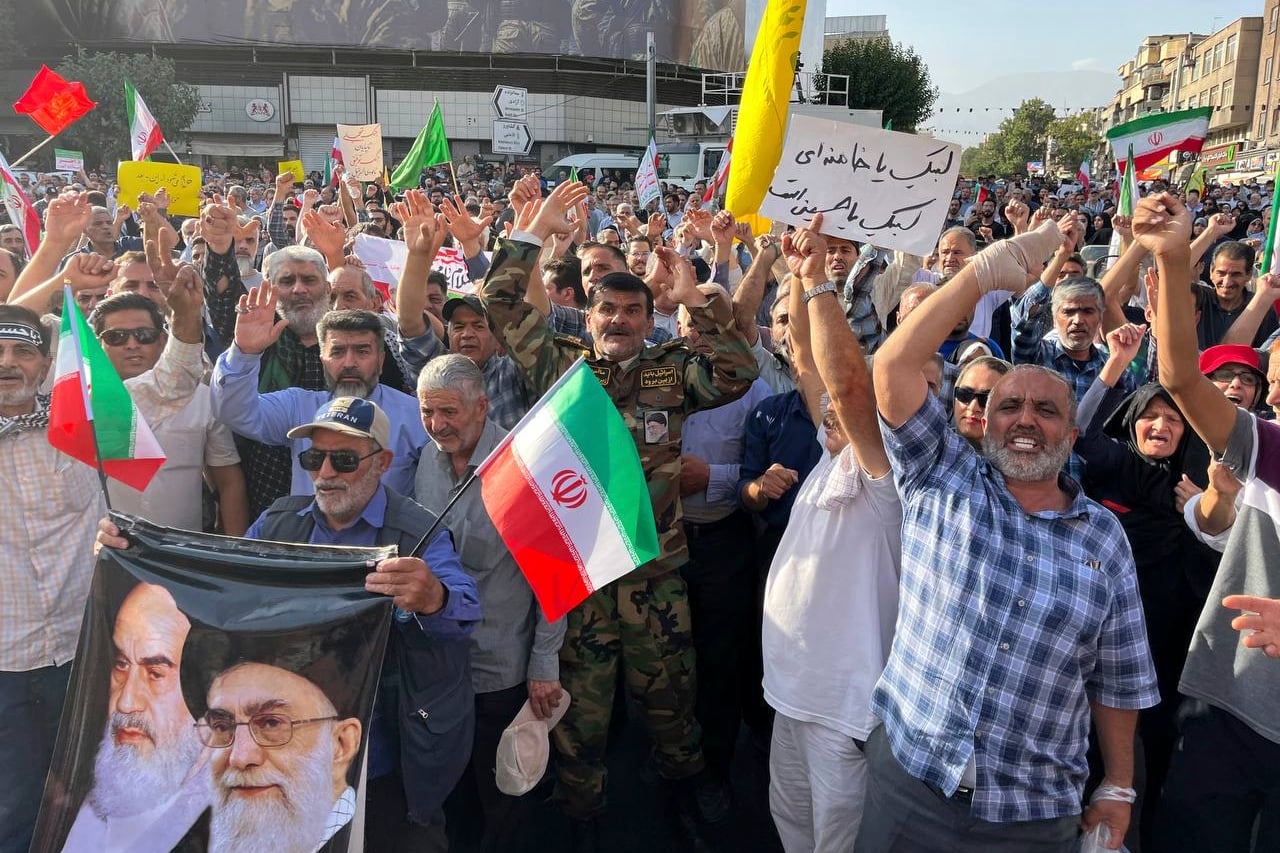
His remarks came as Israeli officials reportedly placed their security forces on heightened alert over the possibility of U.S. involvement.
The warning follows repeated comments by U.S. President Donald Trump, who in recent days said Washington was “ready to help” as Iran grapples with its most serious wave of anti-government protests since 2022. Trump has also cautioned Iranian authorities against using force on demonstrators.
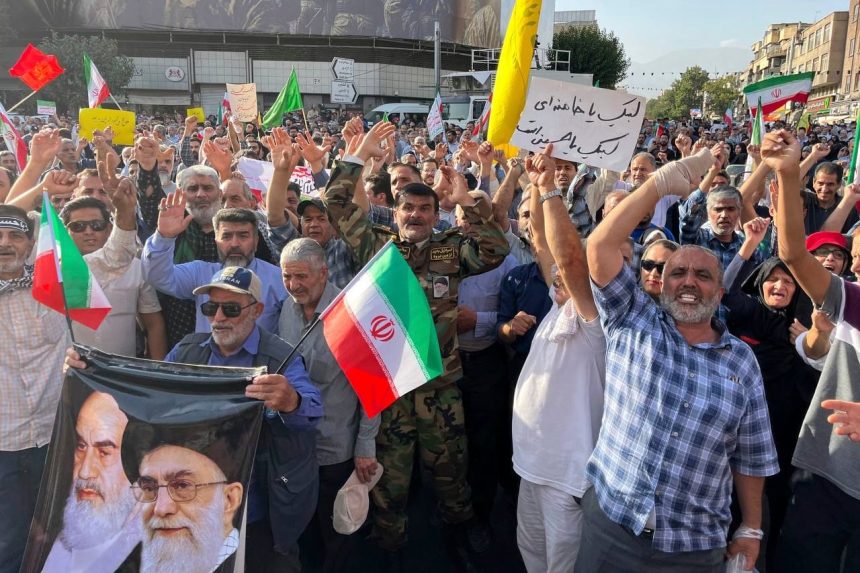
The unrest, which began late December over worsening economic conditions and soaring inflation, has since evolved into broader opposition against Iran’s clerical leadership.
A U.S.-based rights organisation, HRANA, claims at least 116 people have died so far, including protesters and members of the security forces.
Iranian authorities have accused the United States and Israel of fuelling the protests, a claim both countries have previously denied.
Meanwhile, Israeli officials have declined to publicly comment on the reported security consultations, while the Israeli military has remained silent on the issue.
Tensions between Iran and Israel remain fragile following last year’s brief conflict, during which U.S. forces joined Israeli airstrikes and Iran later responded with missile attacks on an American base in Qatar.
Information from within Iran has been limited due to a nationwide internet shutdown imposed by authorities. However, videos verified online have shown crowds gathering in parts of Tehran, banging on metal structures in apparent protest.
State television, on the other hand, has aired funerals for security personnel killed during the unrest.
As protests continue and international rhetoric hardens, fears are growing that the crisis could escalate beyond Iran’s borders.
FURTHER READING