The Kilajolu Festival in Epe, Lagos State, stands as one of the most powerful cultural commemorations in southwestern Nigeria, preserving centuries-old history, resilience, and spiritual identity.
EDITOR’S PICK
- Lagos Monarchs Partner Nigeria Security, Civil Defence Corps to Safeguard National Assets
- DSS Arrests Woman Over Alleged Ammunition Supply to Bandits in Kano
- Environmental Crackdown: Lagos Seals Access Bank Plc Facility in Oniru
Far beyond a mere celebration, it is a living narrative of how a people resisted oppression, defended their land, and transformed victory into a lasting tradition.
At the heart of the festival lies the historic defeat of Akalajolu, a feared 18th-century slave raider and Ijaw war general who terrorized the coastal communities of Epe.
Described in oral history as a “human camouflage,” Akalajolu led brutal invasions, abducting men, women, and children into slavery.
His reign of terror was eventually brought to an end by the courageous warriors of Epe, led by Balogun Alausa, who defeated and beheaded him—an act that liberated the town and restored its dignity.
This victory gave birth to the Kilajolu tradition, a symbolic masquerade display that has endured for over 300 to 400 years, evolving into a central feature of the broader Eebi/Okoshi festival celebrated annually in Epe.
Leading the modern-day celebration is His Royal Majesty, Oba Kaorudeen Ishola Animashaun, Arolugbade Elepe II, who continues to preserve and promote the cultural and historical significance of the festival.
Under his leadership, the people of Epe gather each year to honor their ancestors and reflect on the sacrifices that secured their freedom.
“It has existed for decades, having been inherited 300 to 400 years ago. It unites the community and the age-grade system.
Respect and regard are accorded to the elders through this system. As an ancient Ijebu town, we do not joke with age,” the monarch stated.
The festival is deeply intertwined with the age-grade system, a traditional structure that fosters unity, discipline, and respect across generations.
This social organization, referred to as the “etutu of Epe,” reinforces communal bonds and ensures that cultural values are passed down effectively.
Central to the Kilajolu celebration is the reenactment of history through symbolic rituals. One of the most striking is the ceremonial flogging with canes, a practice that replaced the use of swords.
“Instead of using swords in remembrance, the elders came up with the idea of using canes after making due sacrifices,” the monarch explained.
This act symbolizes the battle against oppression and serves as a reminder of the community’s collective strength.
The festival also features a historic boat regatta, representing the very canoes paddled by Epe warriors during their confrontation with invaders on the Epe River.
This reenactment not only celebrates bravery but also connects the present generation with the tactical ingenuity of their forebears.
The identity of Epe itself is deeply rooted in this history, captured in its poetic cognomens: “Epe kukuru losan, gbonran gbonran loru, Epe Onida majegi majeniyan.”
These expressions reflect a people known for their vigilance, resilience, and refusal to succumb to oppression.
Beyond its historical significance, the Kilajolu Festival is anchored in profound spirituality. Sacred rites are performed at the Oju-Alaro shrine, where the river deity, Imale Omi, is invoked to cleanse the land and protect it from evil.
“During the Iyanforon rites at Oju-Alaro, the river deity is called upon to ward off calamities and bless the community,” the monarch noted.
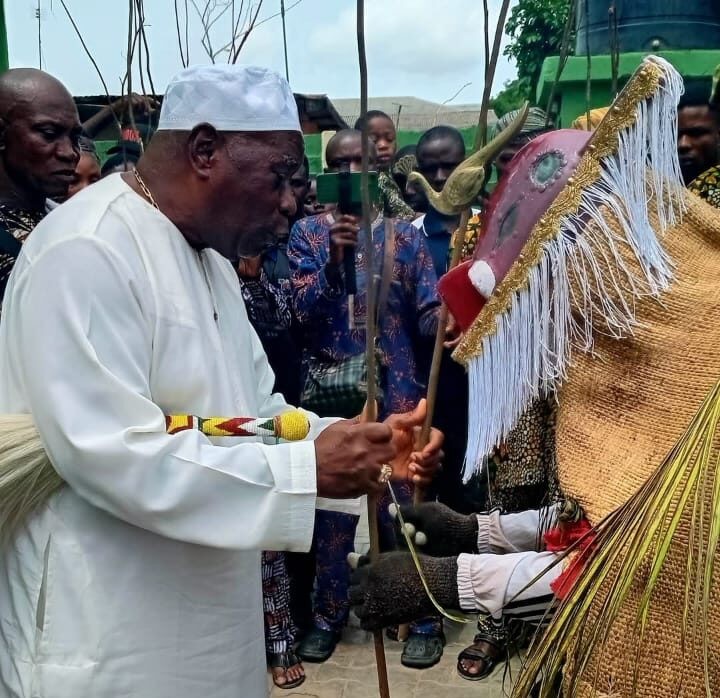
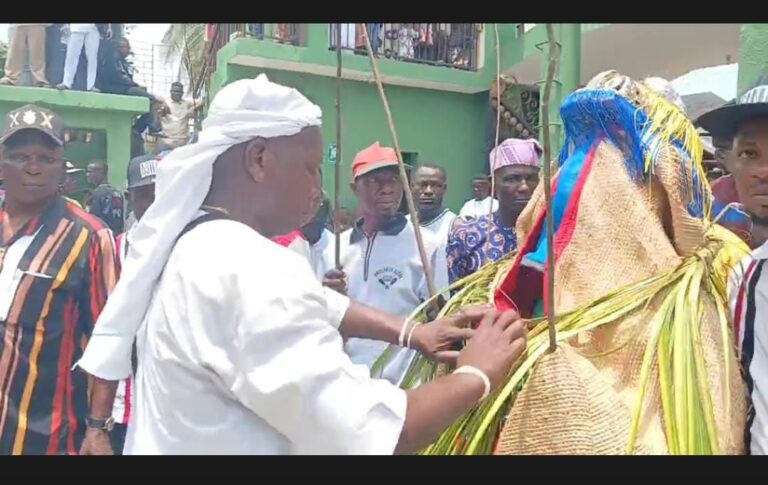
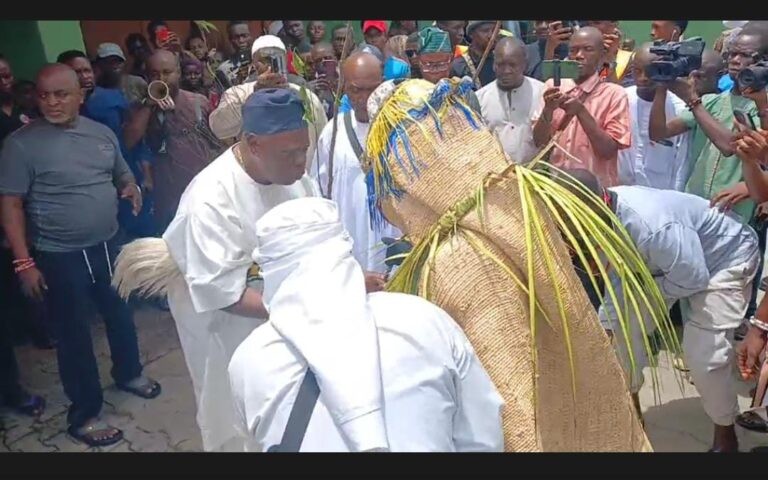
Masquerades play a central role in this spiritual dimension, serving as vessels of ancestral power.
Among them are Agira, Ajeye, and Ajo, each embodying unique spiritual significance. Ajo, in particular, is revered for its connection to fertility and childbearing.
“The moment Ajo delivers, such a woman must deliver as well,” the king revealed, highlighting the deep belief in its potency.
Described as towering in size—equivalent to five or six individuals—Ajo represents both awe and reverence. Its presence underscores the belief that Epe’s victories, both past and present, are not solely physical but also spiritual.
The festival also reflects the interconnectedness of Ijebu communities. It is after Epe’s Eebi/Okoshi celebration that other parts of Ijebu land commence their own festivals, including Agbo in Agbowa and Eluku in Ikorodu, creating a cultural calendar that unites the region.
Economically, the Kilajolu Festival contributes significantly to the vibrancy of Epe, attracting visitors, boosting local trade, and revitalizing activities such as fishing, farming, and commerce.
It serves as both a cultural attraction and a source of livelihood for many residents.
Today, Kilajolu remains more than a remembrance of past victory—it is a declaration of identity. It tells the story of a people who turned pain into pride, resistance into ritual, and history into heritage.
Through chants, masquerades, rituals, and royal blessings, the people of Epe continue to honor their past while securing their future.
The festival stands as a timeless reminder that freedom was fought for, preserved through unity, and sustained through tradition.