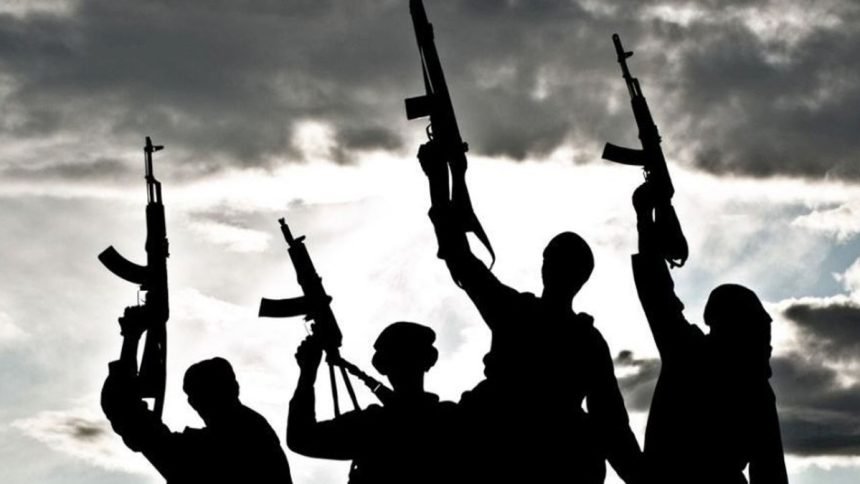
Gunmen struck at the heart of education in Oyo State on Friday morning. Armed hoodlums riding motorcycles simultaneously attacked Baptist Nursery and Primary School, Yawota, and Community Grammar School/LA Primary School, Esiele, both in Oriire Local Government Area, abducting pupils, students and staff members, including the vice principal, Mrs Alamu Folawe.
Two people were killed: an assistant headmaster identified as Adesiyan, and a motorcycle rider shot dead after resisting attempts by the attackers to take his bike. The attackers also carried out simultaneous attacks on the schools and surrounding communities before fleeing into a nearby forest. The exact number of abducted victims remained unconfirmed as of Friday.
EDITOR’S PICKS
The state government moved quickly. The Oyo State Universal Basic Education Board ordered the immediate closure of all public primary schools in Oriire and neighbouring local government areas — Surulere, Oyo East, and Olorunsogo — to allow security agencies stabilise the area.
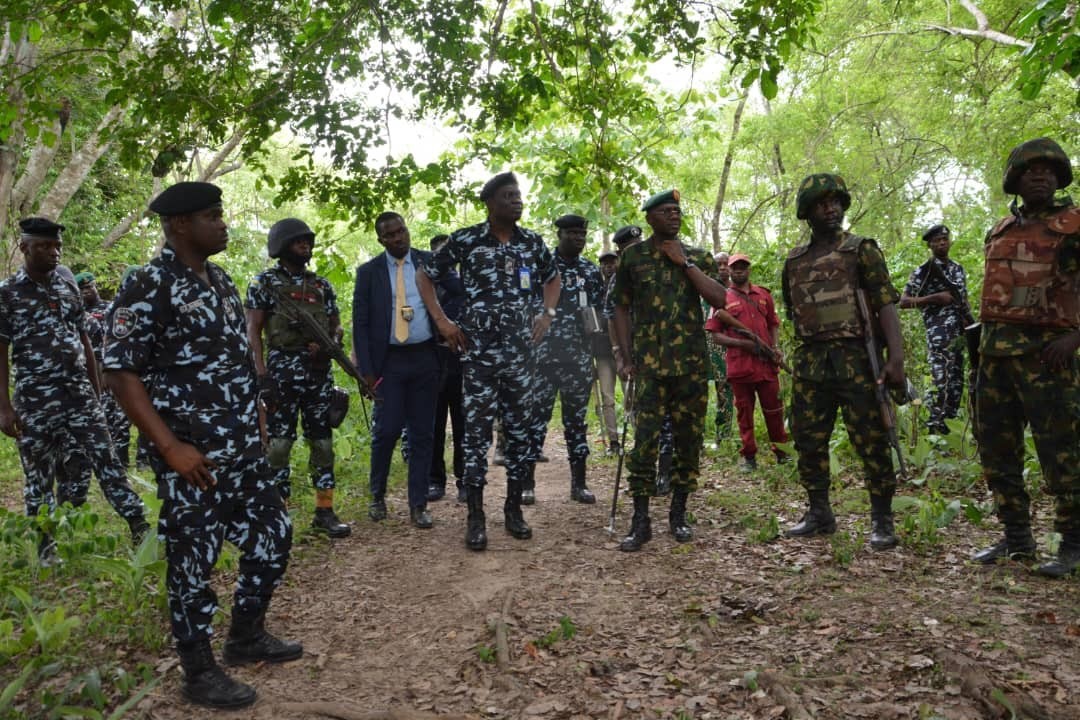
The Commissioner of Police, Abimbola Ayodeji, led operatives to the affected communities for on-the-spot assessment and operational coordination.
A Region That Thought It Was Safe
For years, the South-West has watched Nigeria’s security crisis from a distance. Mass abductions, bandit raids, and insurgent attacks have been mostly northern stories from Zamfara, Kaduna, Borno, Yobe, Niger State. But the Oriire attack is a reminder that the crisis is no longer contained to a section of the country.
Oyo, sitting at the geographical boundary between Nigeria’s relatively stable south and its volatile middle belt, has seen rising tension along its rural fringes. The forest reserves bordering Oriire LGA are part of a larger corridor of ungoverned space that armed groups have exploited. That the attackers stormed multiple schools simultaneously — a deliberate, coordinated act — suggests prior intelligence-gathering and planning. This is not opportunistic crime. It is organised.
According to a 2024 survey by polling firm NOIPolls, kidnapping prevalence in Nigeria was highest in the North-Central zone, followed by the South-West. That ranking has received little public attention, but Friday’s attack in Ogbomoso makes it impossible to ignore.
What The Response Tells Us
The immediate response from security agencies included the police commissioner getting on the ground and tactical teams being deployed. But visibility is not the same as capacity. The same pattern has played out in northern Nigeria for years: official statements, search operations, appeals for information. In many cases, victims spent weeks or months in captivity before being released, often after ransom payments.
Kwara State’s deteriorating security situation is particularly concerning because its location as a bridge to south-western Nigeria increases the risk that insecurity will spread further south. Security experts have warned of this trajectory. Friday’s attack suggests it has arrived.
The closure of schools across four local government areas is itself a telling response. It signals that the state does not yet feel confident it can protect schoolchildren in those communities. For parents in Oriire, Surulere, Oyo East, and Olorunsogo, that is cold comfort. For security planners in the South-West, it should be a loud alarm.
The Bigger Picture
Nigeria has struggled to prevent the northward security crisis from migrating south. A sharp spike in large-scale abductions — reportedly involving over 350 victims, many of them school-aged children — prompted President Tinubu to declare a nationwide security emergency earlier this year. But emergency declarations have rarely translated into sustained results on the ground.
FURTHER READING
What happened in Oriire on Friday is not simply an Oyo story. It is a warning that the South-West’s relative peace is not guaranteed and that without deliberate investment in rural intelligence networks, community policing, and inter-agency coordination, the region risks repeating the same painful learning curve that northern Nigeria has endured for over a decade.
Philip Ibitoye is a Special Correspondent with EKO HOT BLOG. Click here to find daily analysis and critical insight on trending issues in Lagos and other parts of Nigeria.
Click to watch the video of the week below: