- According to the executive directive, the emergency measure is aimed at preventing potential shortages
- In addition, the transportation sector has been given temporary powers to ease the burden on citizens
- These include implementing fuel subsidies for public transport, reducing or suspending toll fees
Ferdinand Marcos Jr. has declared a national energy emergency as concerns grow over fuel shortages and unstable power supply linked to the ongoing conflict in the Middle East.
Eko Hot Blog gathered that the declaration came shortly after the government signaled plans to increase electricity generation from coal-fired plants in a bid to keep power costs under control, as disruptions to global gas supplies continue to affect energy markets.
EDITOR’S PICK
- Why Return of Lagos Monthly Sanitation Exercise is Long Overdue
- Four Killed as Truck Crashes Into Bus on Lekki–Epe Expressway
- Uzodimma: Tinubu Reforms Prevent Fuel Crisis
According to the executive directive, the emergency measure is aimed at preventing potential shortages and protecting the country’s energy system from external shocks caused by the conflict.
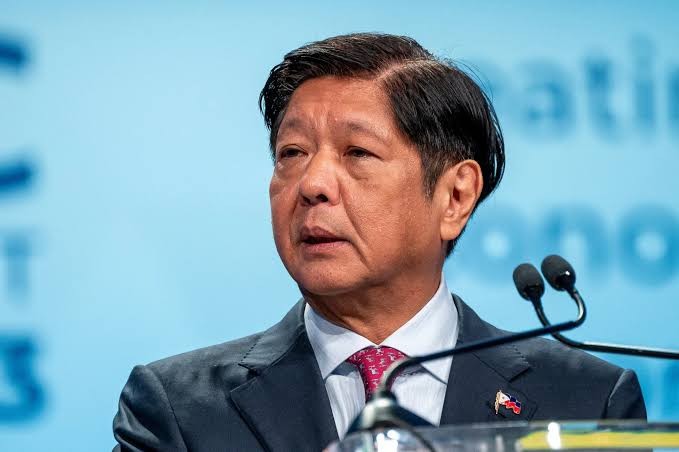
It empowers the Department of Energy to act swiftly, including making advance payments of up to 15 percent to secure fuel supplies and taking action against hoarding and price manipulation.
The order also enables relevant agencies to coordinate responses under existing laws to cushion the impact of global supply disruptions on the domestic economy.
In addition, the transportation sector has been given temporary powers to ease the burden on citizens.
These include implementing fuel subsidies for public transport, reducing or suspending toll fees and aviation charges, and accelerating assistance for individuals affected by the rising cost of energy.
The Philippines, which relies heavily on imported fuel for power generation, already faces some of the highest electricity costs in the region, making it particularly vulnerable to global energy shocks.
FURTHER READING