- Obasanjo called for an African model of democracy
- Obi accused institutions of weakening Nigeria’s democracy
- Jonathan was praised for accepting defeat in 2015
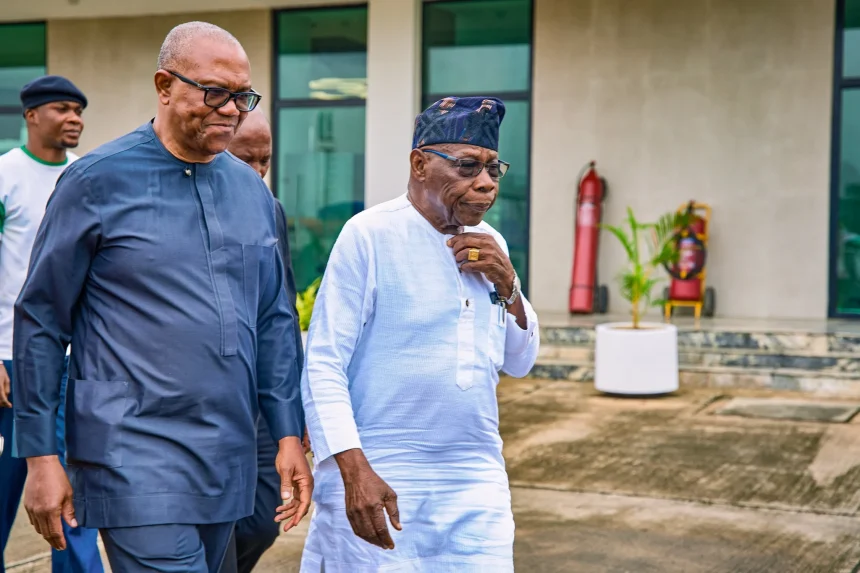
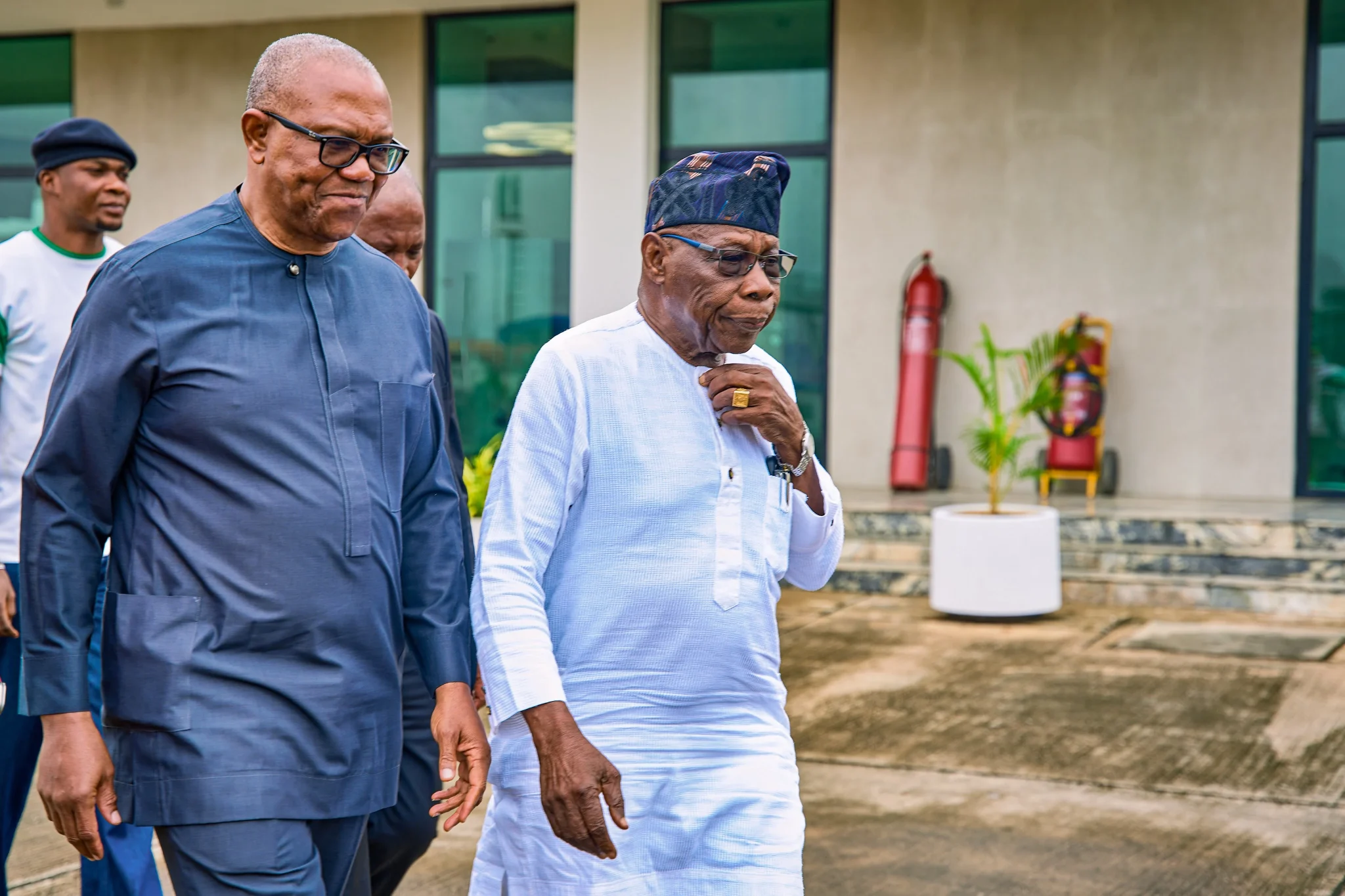
Former President Olusegun Obasanjo and 2027 presidential candidate Peter Obi have raised concerns over the state of Nigeria’s democracy, calling for reforms to the country’s political system and institutions.
Eko Hot Blog reports that the two politicians spoke on Tuesday at the 2026 Goodluck Jonathan Foundation Democracy Dialogue in Bauchi, organised around the theme, “Beyond Elections: Can Political Parties and the Judiciary Save African Democracy?”
EDITOR’S PICK
- How Lagos Achieved 57.4% Exclusive Breastfeeding Rate
- Shaibu Lists Nigeria’s Biggest Security Challenges
- Vote, Protect Your Mandate, Governor Adeleke Urges Residents Ahead of August 15 Polls.
Obasanjo, who chaired the dialogue, argued that the Western-style liberal democracy adopted by many African countries had failed to adequately reflect the continent’s history, culture and social realities.
According to him, the system has encouraged a winner-takes-all political culture in which those who emerge victorious at elections often exercise power without adequately accommodating their opponents.
He said the first-past-the-post electoral system could allow a candidate who wins by only a small margin to take complete control of government, leaving little room for meaningful participation by those who voted differently.
Obasanjo also questioned the relevance of the Western concept of a “loyal opposition” in Africa, noting that political opponents are frequently regarded as enemies rather than stakeholders who can contribute to governance.
He maintained that African countries should develop a democratic system that reflects their own traditions, values and circumstances rather than simply replicating models developed elsewhere.
The former President also warned that Nigeria’s diversity must remain central to its political development.
He said the country’s strength and identity were rooted in its different ethnic, religious and cultural communities, stressing that efforts to undermine that diversity could threaten national unity.
Obasanjo further expressed concern over the growing role of money, inducements and poverty in Nigerian politics. He also criticised the limited participation of women in political leadership, pointing out that no woman has been elected governor in Nigeria since the beginning of the Fourth Republic.
He urged African countries to remain open to reviewing their democratic systems, arguing that even Western nations were examining aspects of the models they had developed.
Obasanjo said any alternative system should be rooted in African history, culture and values while still retaining the principles of democratic governance.
Speaking at the same event, Obi accused several institutions and professional groups of contributing to what he described as the decline of Nigeria’s democratic standards.
The former Anambra State governor criticised some academics, lawmakers, lawyers, religious leaders and members of the judiciary, alleging that their actions had weakened democratic institutions.
Obi recalled his experience of challenging an electoral outcome at the Court of Appeal, saying a panel of five judges he had never met ruled in his favour.
He contrasted that experience with what he described as the current state of Nigeria’s electoral process, alleging that some academics were now involved in helping politicians manipulate elections.
The former presidential candidate also criticised the role of lawmakers in shaping electoral legislation, claiming that changes to the law had weakened safeguards against electoral malpractice.
He further accused some senior lawyers of defending individuals facing allegations of forgery, while expressing concern over the perceived involvement of religious leaders in politics.
Obi also questioned the independence of the judiciary, alleging that some judges had become politically aligned.
Meanwhile, Labour Party National Chairman Nenadi Usman called on politicians preparing for the 2027 elections to learn from former President Goodluck Jonathan’s conduct during the 2015 presidential election.
Usman said Nigeria avoided a potentially dangerous political crisis after Jonathan accepted defeat to Muhammadu Buhari before the final results had been completely collated.
According to her, Jonathan demonstrated that political ambition should never take precedence over the lives and security of citizens.
She challenged politicians seeking political offices in 2027 to show a similar commitment to national interest and peaceful democratic competition.
Usman also described the Labour Party as a strong opposition force, citing its links with the Nigeria Labour Congress and the Trade Union Congress.
She argued that the combined strength of the two labour bodies gives the party significant capacity to challenge the ruling All Progressives Congress.
The dialogue brought together political leaders, former public officials, constitutional experts and civil society representatives to examine the challenges facing democracy in Nigeria and across Africa.
Among those present were former President Jonathan, former Vice-President Namadi Sambo, Bauchi State Governor Bala Mohammed, former Senate President Anyim Pius Anyim, former Plateau State Governor Jonah Jang, APC Deputy National Chairman (South) Ben Nwoye and the Emir of Bauchi, Rilwanu Suleiman Adamu.
The discussions centred on the need for stronger political parties, an independent judiciary, credible elections and democratic reforms capable of preventing political instability and democratic reversals across the continent.
FURTHER READING