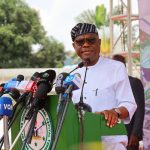
- Lagos APC Slams Peter Obi Over Comments On Nnamdi Kanu Case.
- Party accused him of selective outrage and inconsistent political positions.
- Obi was challenged to explain alleged silence during Southeast security crises.
The Lagos State chapter of the All Progressives Congress has criticised former Labour Party presidential candidate Peter Obi over his recent comments on the judicial proceedings involving the leader of the Indigenous People of Biafra, Nnamdi Kanu.
EDITOR’S PICKS
- Lagos East Senator, Tokunbo Abiru Celebrates Men on International Men’s Day
- Nathaniel Bassey Condemns Kwara, Kebbi Attacks
- 42 Countries Confirm 2026 World Cup Qualification As UEFA Sets Playoff Paths
EKO HOT BLOG reports that Obi had earlier cautioned that Kanu’s conviction could heighten tensions in the country. His remarks drew a strong response from the Lagos APC, which accused him of inserting himself into the matter for political relevance.
In a statement issued by its spokesman, Seye Oladejo, the party described Obi’s intervention as a desperate attempt to regain attention. The statement argued that his position amounted to rejecting a valid court ruling for personal political gain.
Oladejo said Obi’s approach showed confusion, noting that anyone unwilling to condemn what he described as IPOB’s violent activities had no moral standing to criticise the government. He said Obi’s sudden concern for justice was questionable, his outrage selective and his framing of the situation dangerous.
The statement challenged Obi to explain what it called his contradictory stance. It questioned why he condemned Boko Haram without hesitation but allegedly defended IPOB through silence or selective comments.
According to the Lagos APC, Obi’s position revealed bias, weak arguments and a political ambition masked as compassion. The party urged him to set aside what it termed ethnic sentiment and properly examine the court judgement before addressing Nigerians.

The statement further accused Obi of maintaining silence during violent episodes in the Southeast and operating with double standards on sensitive national issues.