- Petrol Price Hits ₦1,400 as Transport Fares Rise Across Nigeria
- Rising fuel costs are driving higher transport fares across several cities.
- Experts urge reforms to protect Nigerians from rising petroleum prices.
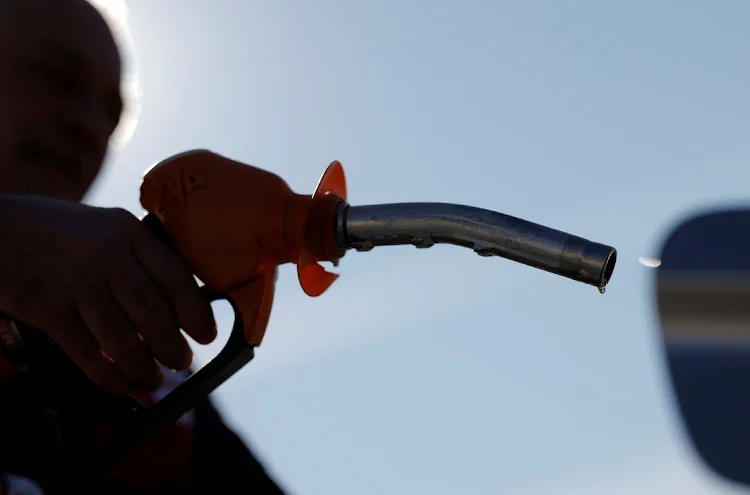
Transport fares have begun rising in parts of Nigeria as petrol prices climbed to as high as ₦1,400 per litre, increasing pressure on commuters, commercial drivers and small businesses already struggling with the high cost of living.
EDITOR’S PICKS
- Sanwo-Olu Unveils Climate Defence Fund to Drive Green Investments
- Competence, Not Ethnicity, Guides Appointments in Lagos – Sanwo-Olu
- List of Public Facilities Named After Tinubu Since 2023
EKO HOT BLOG reports that the latest increase followed a rise in international crude oil prices, with Brent crude reportedly moving above $100 per barrel amid renewed tensions in the Middle East and concerns over possible disruptions to global oil supplies.
Fresh market data showed that ex depot petrol prices also increased in parts of Lagos, Warri and Calabar. In Lagos, several marketers adjusted their prices, with some selling petrol at about ₦1,275 per litre.
The Dangote Refinery also resumed naira denominated gantry loading after a week long suspension and increased its ex depot petrol price to ₦1,215 per litre from ₦1,075. The adjustment represents a ₦140 increase per litre.
The refinery had suspended gantry and coastal loading on July 15 after introducing dollar based pricing for its refined petroleum products. It attributed the move to difficulties in accessing sufficient crude under the Federal Government’s naira for crude arrangement.
The increase has triggered complaints from Nigerians who said higher petrol prices quickly translate into increased transport fares and the cost of food and other essential goods.
In Abuja, residents said transportation was consuming a growing share of their monthly income, while commercial drivers complained that frequent fuel price changes made it difficult to plan their businesses.
Transport fares have not increased uniformly across the country. In Lagos, some operators have reviewed fares on busy routes, while competition among bus operators has limited increases in some areas.
In Ibadan, fares remained relatively stable despite petrol selling between ₦1,260 and ₦1,300 per litre at some filling stations. Drivers said they were reluctant to increase fares because passengers were also struggling financially.
In Ilorin, several filling stations raised prices, with petrol selling between ₦1,255 and ₦1,305 per litre. Residents warned that the development could trigger further increases in transportation and food prices.
In Kaduna, petrol sold for about ₦1,350 per litre, after reportedly dropping below ₦1,200 weeks earlier. Commercial drivers expressed concern over the rapid price changes, saying passengers often blamed them for higher fares.
In Adamawa, NNPCL stations sold petrol at about ₦1,310 per litre, while independent marketers sold between ₦1,360 and ₦1,370. Transport operators said they were monitoring the market before deciding whether to adjust fares.
Kano recorded little immediate change in transport fares, with commercial tricycle operators waiting to see whether petrol prices would stabilise.
However, the situation was different in Maiduguri, where petrol sold between ₦1,370 and ₦1,390 per litre. The rise also affected inter state transportation, with fares from Maiduguri to Kano increasing from ₦20,000 to ₦25,000.
Small business owners who rely on petrol powered generators have also expressed concern, saying higher fuel costs could force them to increase prices for their services.
An energy law expert at the University of Lagos, Professor Dayo Ayoade, attributed the rising petrol prices to the country’s deregulated petroleum market, explaining that domestic prices are increasingly affected by international crude prices and exchange rate movements.
He said Nigeria’s crude commitments under existing financing arrangements had also reduced the volume of crude available for domestic refining.
Another industry analyst, Abdullahi Shehu, called for government support for local refineries, while economist and oil and gas expert, Dr Marcel Okeke, argued that reforms should be measured by their impact on citizens’ welfare and living standards.
The latest petrol price increase has renewed calls for urgent measures to stabilise the downstream petroleum sector and reduce the burden on Nigerians.
FURTHER READING
- Badejo-Okusanya Makes History, Becomes NBA’s First Elected Female President
- Troops, Police Thwart Terrorists’ Bid to Abduct Students in Borno School
- JUST IN: SAN Oyinkansola Badejo-Okusanya Emerges New NBA President