- Illegal Drug Operations: Pharmacy Council Closes 572 Outlets In Plateau
- Violations included illegal clinical practice and unauthorised medicine handling.
- Council warned that poor compliance threatens public health and security.
The Pharmacy Council of Nigeria (PCN) has sealed no fewer than 572 pharmacies, patent medicine stores and illegal medicine outlets across Plateau State over various violations of pharmaceutical regulations.
The affected outlets were shut for offences ranging from cooking inside drug premises and illegal clinical practice to unauthorised access to controlled medicines.
EDITOR’S PICKS
- Tinubu Meets Anyim, Abiodun, Other APC Leaders After Primary Election
- Fresh Details Emerge In Tragic Death Of Three Sisters Found In UK Sea
- Tinubu Orders 50% Reduction in Train Fares for Eid-el-Kabir Travellers
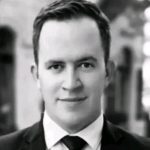
EKO HOT BLOG reports that speaking at a press conference in Jos on Friday after a four day enforcement exercise, the PCN Head of Enforcement Department, Dr. Suleiman Chiroma, said the operation was conducted in line with the Council’s mandate under the Pharmacy Council of Nigeria (Establishment) Act No. 31 of 2022.
Chiroma, who represented the Registrar and Chief Executive Officer of the Council, Ibrahim Ahmed, explained that the enforcement exercise formed part of efforts to implement the National Drug Distribution Guidelines (NDDG) developed by the Federal Government to sanitise the country’s drug distribution system.
He said the guidelines were designed to ensure medicines move through approved channels from manufacturers and importers to end users.
According to him, the ongoing enforcement drive is aimed at removing non-professional actors from the pharmaceutical supply chain and addressing deficiencies in medicine storage infrastructure.
“The ongoing enforcement initiative is systematically disengaging non-professional actors from the pharmaceutical supply chain and remedying deficiencies in storage infrastructure. This intervention is fundamental to the eradication of substandard and falsified medicinal products,” he said.
The enforcement team visited seven local government areas, including Jos South, Jos North, Mangu, Shendam, Barkin Ladi, Qua’an Pan and Bassa.
Providing a breakdown of the exercise, Chiroma disclosed that 778 premises were inspected, comprising 199 pharmacies, 499 patent medicine stores and 80 illegal outlets.
“Consequently, 572 premises were sealed, including 120 pharmacies, 372 patent medicine stores, and 80 illegal outlets. In addition, five compliance directives were issued,” he stated.
He described the findings as disturbing, noting that 60 per cent of the pharmacies inspected were sealed for regulatory violations.
“Of the 199 pharmacies visited, 60 percent were sealed. This finding reflects a deeply concerning standard of pharmaceutical practice within the state and underscores the need for the Pharmacy Council of Nigeria to intensify its regulatory efforts in Plateau State,” he said.
The Council also expressed concern over the large number of unqualified medicine outlets operating within the state.
“It was further observed that only 26 percent of the total premises inspected across the state were pharmacies, while the remainder comprised Patent and Proprietary Medicine Vendors (PPMVs) and illegally operated outlets,” Chiroma added.
Among the major infractions recorded were cooking within pharmaceutical premises, widespread unauthorised clinical practice, unlawful storage and dispensing of medicines beyond approved legal limits, unauthorised access to poison cupboards by non-pharmacists and the operation of illegal medicine outlets.
Other offences included failure to produce valid licences or evidence of registration when requested by inspectors, operating without approval and obstructing authorised pharmaceutical inspectors during official duties.
Chiroma warned that such practices pose significant dangers to public health and national security.
“Such practices pose grave risks to public health and national security, as controlled medicines may be diverted into the hands of criminal elements and insurgents,” he said.
Despite the large number of closures, the Council noted that illegal premises accounted for only a small proportion of the total facilities inspected.
“Of the 778 premises visited, 10 percent were operating illegally, and these accounted for 14 percent of all premises sealed during the exercise. This indicates a relatively low prevalence of illegal premises in Plateau State,” Chiroma stated.
He, however, lamented the poor compliance level among registered pharmacies, revealing that only 40 per cent met the required standards.

“Only 40 percent of the pharmacies inspected were in good standing, a figure that remains unsatisfactory. A significant number of pharmacies were found to have incomplete registration status,” he said.
Reaffirming the Council’s commitment to enforcing standards in the pharmaceutical sector, Chiroma stressed that all premises involved in the handling and distribution of medicines would remain under strict regulatory supervision.
He urged members of the public to patronise only licensed medicine outlets to safeguard their health and ensure access to genuine pharmaceutical products.
FURTHER READING
- Presidency Demands Legal Action Against VeryDarkMan Over ‘Fake Tinubu Audio’
- “We’re Working to Ensure Safe Return” — Makinde on Abducted Pupils
- NRC Shuts Down Warri-Itakpe Train Route For Safety Assessment