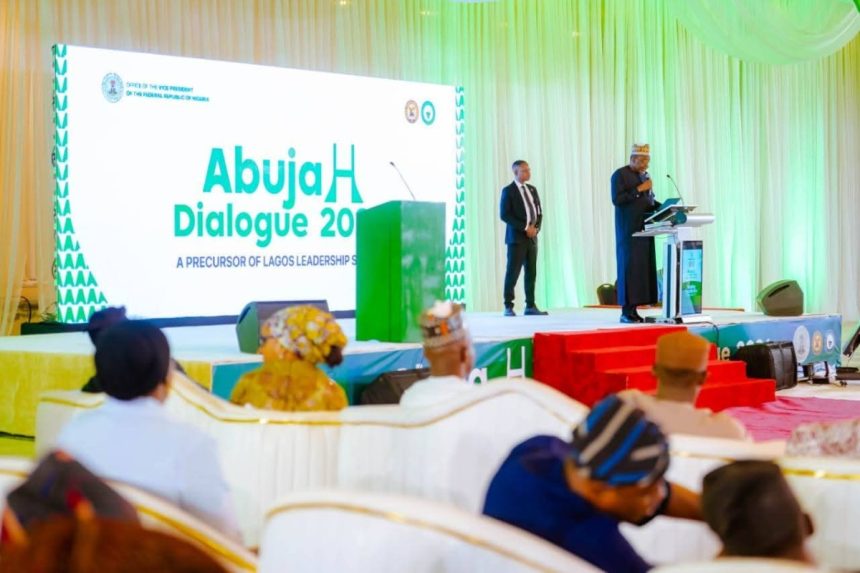
- Shettima, Sanwo-Olu Advocate Systems-Driven Youth Leadership at Abuja Dialogue
- VP Shettima stressed that Nigeria must deliberately transform its youthful population into institutional strength
- Senator Ibrahim Hadejia emphasised the need to translate youth leadership ideas into practical outcomes
The Abuja Dialogue 2026 has spotlighted the urgent need for Nigeria to move beyond rhetoric and build structured systems that support youth leadership and national development.
Eko Hot Blog reports that the high-level engagement, convened by the Lateef Jakande Leadership Academy in partnership with the Office of the Vice President, held at the State House Banquet Hall, Presidential Villa, Abuja.
EDITOR’S PICK
- Viral Video Sparks Action as Lagos Rescues Neglected Child
- Big Head, Bigger Pressure: Inside Amupitan’s INEC Assignment
- NIMR Crisis: FG Tenure Policy Behind Directors’ Exit, Ongoing Strike
It brought together government officials, private sector leaders, development partners and emerging leaders.
Delivering the keynote address, Vice President Kashim Shettima stressed that Nigeria must deliberately transform its youthful population into institutional strength.
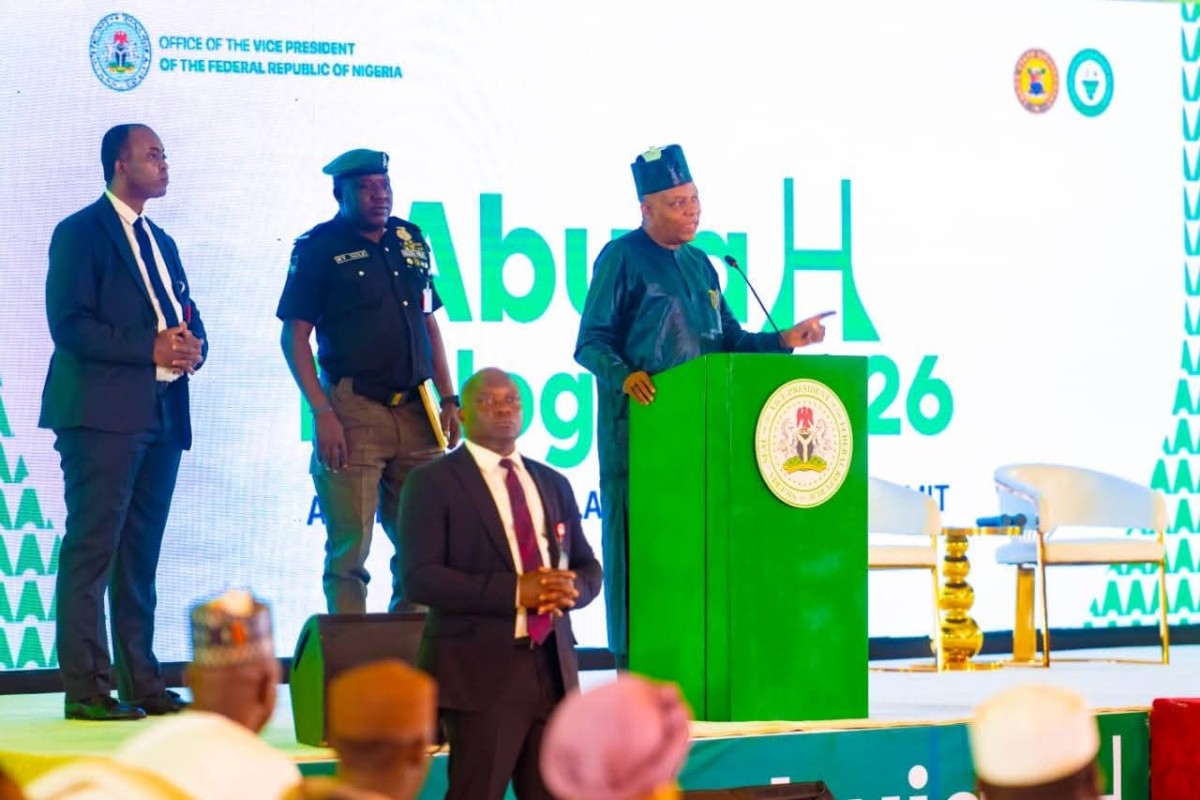
He noted that youth leadership should not be left to evolve naturally but must be intentionally developed, integrated and sustained within governance systems.
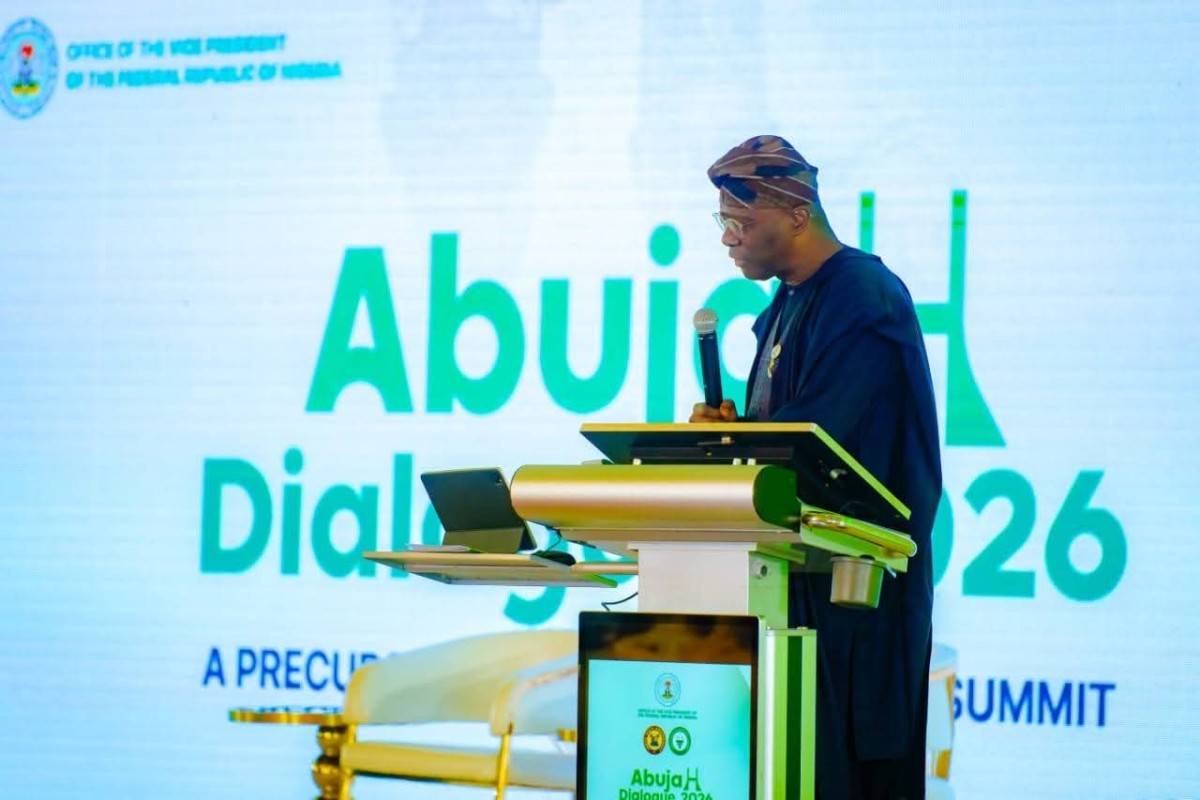
Also speaking, Lagos State Governor Babajide Olushola Sanwo-Olu described the Dialogue as a significant step in taking conversations on leadership beyond Lagos to the national stage.
He said the initiative signals a shift from discussions to action, positioning youth leadership as central to national development rather than a peripheral issue.
In his remarks, Senator Ibrahim Hadejia emphasised the need to translate youth leadership ideas into practical outcomes that strengthen governance and institutional effectiveness.
The Executive Secretary of the academy, Ayisat Agbaje-Okunade, reinforced the importance of intentional leadership development, noting that building a prosperous nation requires deliberate investment in grooming future leaders.
A key feature of the Dialogue was its interactive format, which included panel discussions, fireside chats and an audience dialogue session. These engagements allowed stakeholders to explore practical ways of embedding youth leadership into governance structures.
Participants agreed that Nigeria must transition from merely recognising youth potential to establishing systems that make leadership development measurable, sustainable and impactful.
The Dialogue sets the tone for further engagement at the upcoming Lagos Leadership Summit 2026, marking a broader push to institutionalise leadership development across the country.