- failure to strike a deal before then would lead to “much higher” tariffs on European exports to the United States
- The deal initially proposed a 15 per cent U.S. tariff on European exports, lower than Trump’s earlier threat of 30 per cent tariffs
- discussions over the agreement stalled this week after European lawmakers and member states failed to conclude negotiations
U.S. President Donald Trump has warned the European Union that tariffs on European goods could rise sharply by July 4 if the bloc fails to remove its own tariffs on American products.
Eko Hot Blog reports that Trump disclosed this after a telephone conversation with European Commission President Ursula von der Leyen, saying he agreed to give the EU until the United States’ Independence Day celebrations to reach an agreement.
EDITOR’S PICK
- Benue Mortician Arrested for Using Corpse Part as Walking Stick
- Baba Yusuf: Bandits May Reach National Assembly
- PDP Asks INEC To Withdraw Recognition Of Anyanwu As National Secretary
According to him, failure to strike a deal before then would lead to “much higher” tariffs on European exports to the United States.
Despite the warning, von der Leyen maintained that negotiations were progressing positively, stating that both sides were making “good progress towards tariff reduction.”
The latest tension comes amid efforts to implement a trade agreement reached between Trump and the EU in July last year.
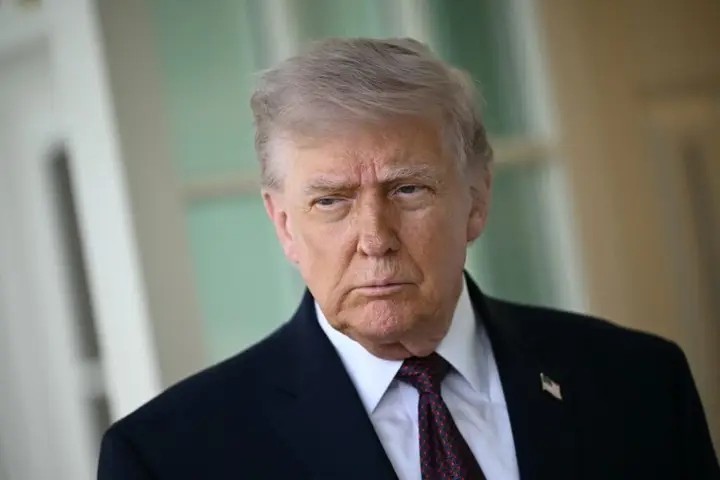
The deal initially proposed a 15 per cent U.S. tariff on European exports, lower than Trump’s earlier threat of 30 per cent tariffs.
However, discussions over the agreement stalled this week after European lawmakers and member states failed to conclude negotiations.
The European Parliament had previously given conditional approval to the agreement in March, insisting that the EU would only support zero tariffs on U.S. goods if European steel and aluminium exports were exempted from America’s separate 50 per cent metal tariffs.
Although progress has been made in parliament, the agreement still requires approval from all 27 EU member states before it can take effect.
European Parliament negotiator Bernd Lange said talks were moving forward but acknowledged that unresolved issues remained.
“We remain committed to securing guarantees that will benefit businesses and citizens on both sides,” he said, adding that another round of negotiations is scheduled for May 19 in Strasbourg.
Trump had earlier accused the EU of failing to honour the trade understanding reached with Washington, threatening to increase tariffs on imported vehicles and trucks to 25 per cent.
The trade discussions come as Trump continues to face legal challenges over his tariff policies.
On Thursday, a U.S. trade court ruled that the president’s latest 10 per cent global tariffs were not properly justified under American trade laws.
Trump had introduced the tariffs in February using powers under Section 122 of the 1974 Trade Act, arguing they were necessary to address trade imbalances.
However, the U.S. Court of International Trade ruled that the law may not apply to the economic conditions cited by the administration.
While the judgement currently affects only two importing companies, legal analysts say it could open the door for broader court challenges against Trump’s tariff measures in the future.
FURTHER READING