- Speaking to The Atlantic, Trump said Tehran had reached out for talks and that he had agreed
- Trump declined to specify when the proposed discussions might take place, saying only that he could not share details
- He also noted that some Iranian figures previously involved in backchannel communications were no longer alive
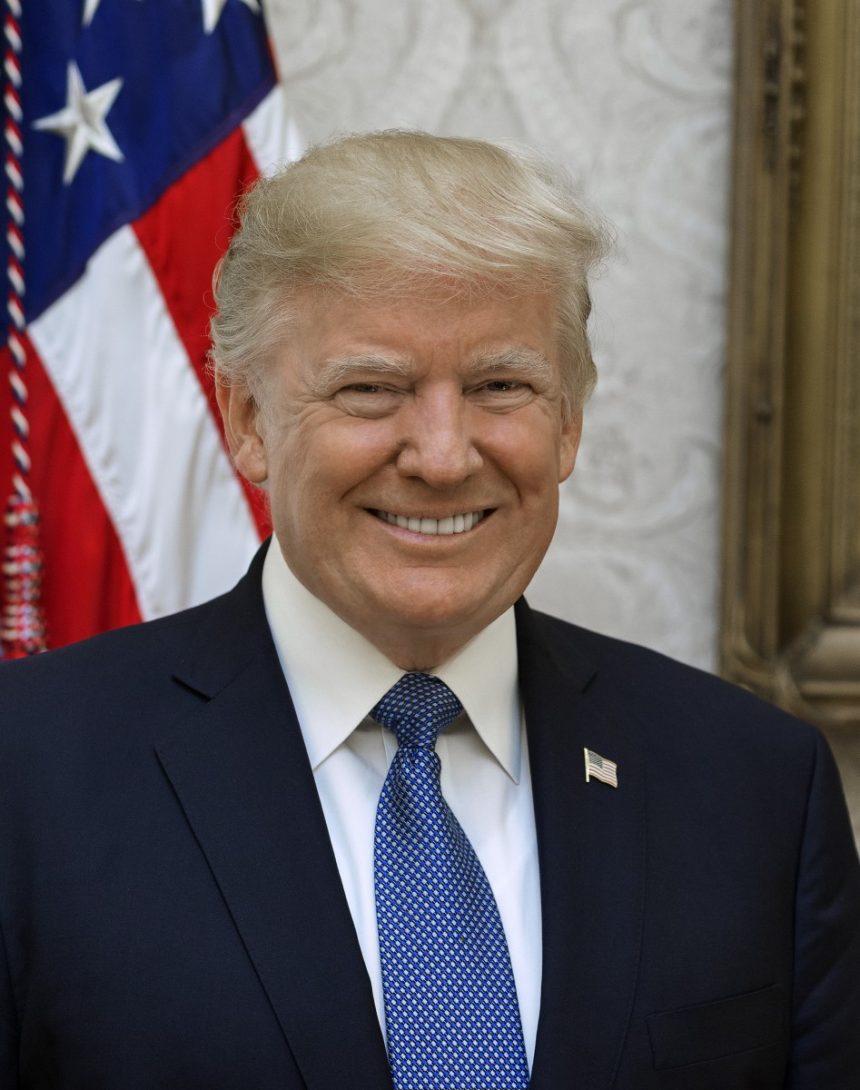
Donald Trump said on Sunday that Iran’s leaders have indicated a willingness to open discussions, just a day after the United States and Israel launched coordinated strikes on Iranian military and government targets.
Eko Hot Blog gathered that the attacks reportedly killed Supreme Leader Ayatollah Ali Khamenei along with several senior officials.
EDITOR’S PICK
- Nigeria Awaits FIFA Verdict On DR Congo Player Eligibility Dispute
- Trump Says Diplomacy Is “Much Easier” Now After Decapitating Strikes on Iran
- Senate Targets 2026 for State Police Amendment
Speaking to The Atlantic, Trump said Tehran had reached out for talks and that he had agreed. He added that Iranian authorities should have moved sooner to strike what he described as a straightforward deal, suggesting the delay had costly consequences.
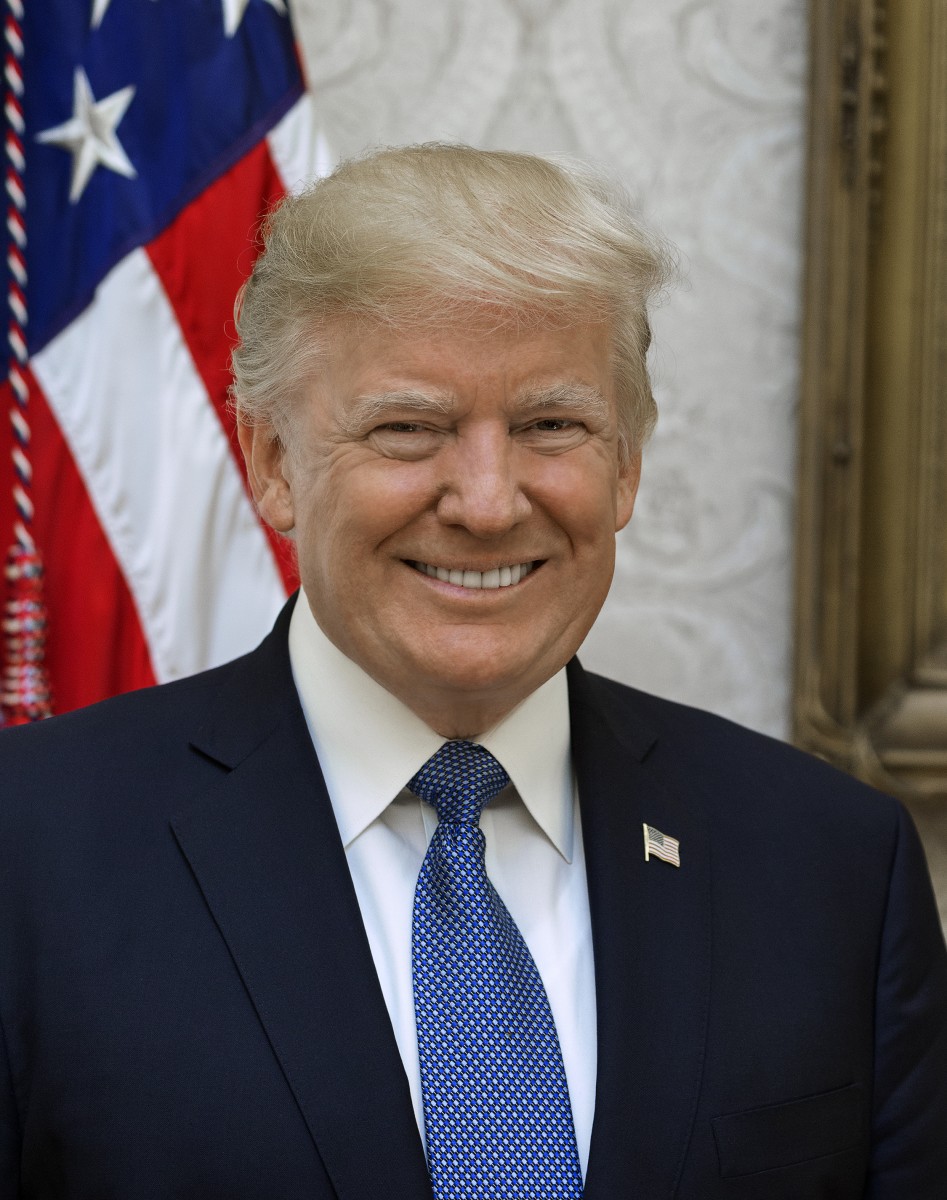
The remarks were among his first since announcing on Truth Social early Saturday that the US had begun what he called “major combat operations” in Iran.
Trump declined to specify when the proposed discussions might take place, saying only that he could not share details.
He also noted that some Iranian figures previously involved in backchannel communications were no longer alive following the strikes.
According to the president, the operation dealt a significant blow to Iran’s leadership. In separate interviews with Fox News and CNBC, Trump claimed that 48 leaders had been killed and said the military campaign was progressing faster than anticipated.
He argued that the action was long overdue, referencing decades of hostility between Washington and Tehran.
Shortly after the strikes, he told the Washington Post that his objective was to ensure freedom for the Iranian people and security for the United States.
When asked whether the US would extend its military campaign to support a potential uprising within Iran, Trump avoided a firm commitment, saying decisions would depend on how events unfold.
He expressed optimism about reports of celebrations in parts of Iran and among members of the Iranian diaspora, but acknowledged the volatile situation, warning that conditions on the ground remain dangerous amid ongoing bombardment.
FURTHER READING