- Osifo explained that the continuous increase in petrol prices, largely influenced by fluctuations in global oil markets
- he pointed to the weakening of the naira as a major factor driving inflation and eroding workers’ purchasing power
- According to him, at least 60 percent of those extra funds should be used to support domestic refining operations
The Trade Union Congress of Nigeria (TUC) has urged the Federal Government of Nigeria to channel surplus crude oil earnings into supporting domestic refineries as a way to ease the burden of rising fuel costs on citizens.
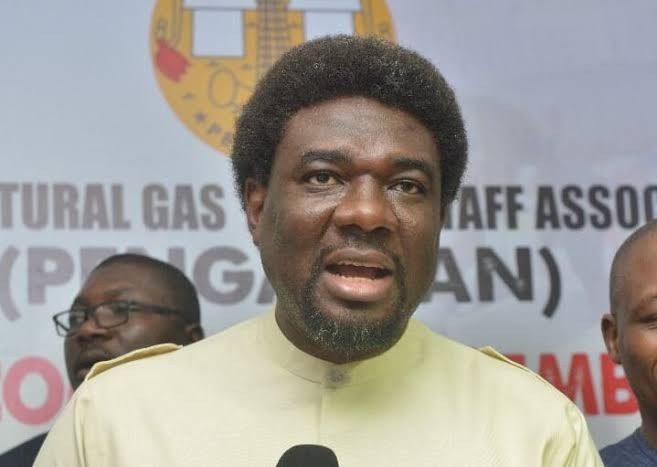
Speaking at a press briefing in Abuja on Thursday, Eko Hot Blog gathered that TUC President Festus Osifo cautioned that the price of Premium Motor Spirit (petrol) could surge to as much as N2,000 per litre if urgent interventions are not introduced.
EDITOR’S PICK
- Easter Celebration: Sanwo-Olu Encourages Love, Sacrifice, Coexistence
- Enough Is Enough Defend Yourselves’ – CAN Urges Northern Christians
- NLC Orders Street Protests Over Minimum Wage
Osifo explained that the continuous increase in petrol prices, largely influenced by fluctuations in global oil markets and foreign exchange pressures, has intensified economic difficulties for Nigerian workers.
He noted that international geopolitical tensions, particularly involving the United States, Israel, and Iran, have disrupted global oil supply, contributing to higher fuel costs.
In addition, he pointed to the weakening of the naira as a major factor driving inflation and eroding workers’ purchasing power.
As part of a proposed solution, the TUC leader recommended that excess revenue generated when crude oil prices exceed the budget benchmark should be redirected to subsidise crude supplied to local refineries.
He noted that with the 2024 budget benchmark set at $64.85 per barrel, revenues above that level are shared among the three tiers of government.
According to him, at least 60 percent of those extra funds should be used to support domestic refining operations, including facilities like the Dangote Refinery and other modular refineries.
Osifo argued that subsidising crude at the production stage would be more effective and less prone to abuse, adding that it could lead to a noticeable drop in fuel prices.
He also called for policies aimed at stabilising the naira, stressing that a stronger and more stable currency would help reduce the cost of imports, including energy products.
The TUC said it plans to formally present these recommendations to the federal authorities, including the presidency, in a bid to secure swift action to alleviate the economic strain on Nigerians.
FURTHER READING