- The American flag was officially raised over the U.S. Embassy in Caracas on Saturday, March 14, 2026, marking the formal restoration of diplomatic ties between Washington and Venezuela.
- This historic event follows a dramatic shift in power earlier this year, involving a U.S. special forces operation that led to the capture of former leader Nicolas Maduro.
- The U.S. and the interim Venezuelan government, led by Delcy Rodriguez, have signed major energy and mining agreements, granting the U.S. access to the world’s largest oil reserves.
A significant chapter in Western hemisphere geopolitics closed on Saturday as the Stars and Stripes once again fluttered over the United States Embassy in Venezuela.
Eko Hot Blog reports that the ceremony took place exactly seven years after the flag was lowered on March 14, 2019, following a total collapse in relations.
U.S Charge d’Affaires Laura Dogu, the mission’s ranking diplomat, heralded the moment on social media, declaring that a “new era has begun” for the two nations.
EDITOR’S PICK
- Ogun Begins Crackdown on Illegal Parks at Sango Border Over Rising Accidents
- Police Nab 30-Year-Old ‘Super M’ During Stop-and-Search in Lagos
- LASG Launches Investigation Into Cosmetic Surgery Death
The reopening is the culmination of a rapid and violent transition of power that began in January 2026.
A high-stakes raid by U.S. special forces resulted in the capture of Nicolas Maduro and his wife, Cilia Flores, who were subsequently transported to New York to face long-standing drug trafficking charges.
While the operation was successful in its objective, it was not without cost, with reports indicating nearly 100 fatalities during the military intervention.
Following Maduro’s removal, the Trump administration has taken a hands-on approach to the country’s governance. Donald Trump and Venezuela’s interim leader, Delcy Rodriguez, who served as Maduro’s vice president before the transition, have already moved to integrate their economies.
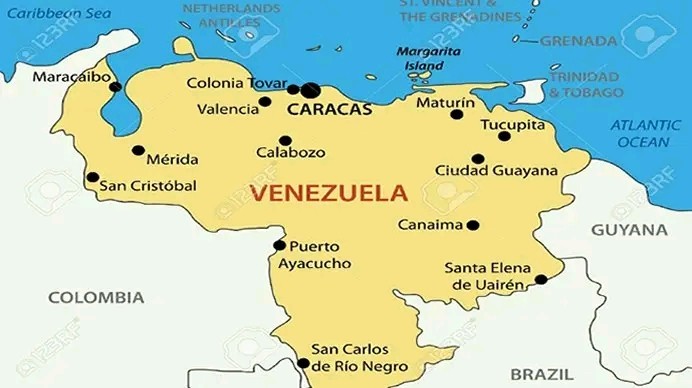
New energy and mining accords have been signed, effectively ending a seven-year oil embargo and inviting massive private investment into Venezuela’s struggling petroleum sector.
Despite the restoration of ties, challenges remain. Interim leader Delcy Rodriguez has publicly urged President Trump to fully dismantle all remaining sanctions to allow for a total economic recovery.
While the U.S. has issued licenses to several multinationals to resume operations, the Venezuelan economy is still reeling from years of hyperinflation and international isolation.
The geopolitical implications of this “thaw” are profound. By securing direct access to Venezuela’s vast natural resources, the United States has fundamentally altered the global energy market.
However, the move comes at a time of heightened global tension, with the U.S. simultaneously managing a military conflict with Iran and monitoring provocations from North Korea.
For now, the reopening of the Caracas embassy stands as a symbol of Washington’s reassertion of influence in South America, effectively ending nearly a decade of hostility.