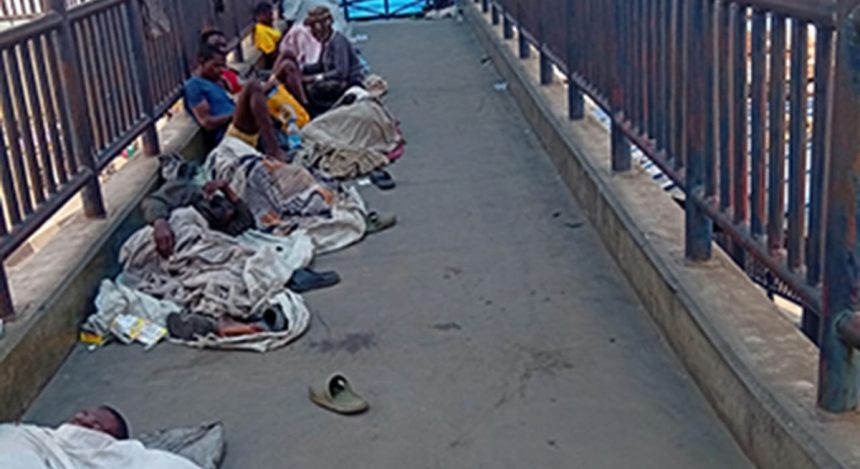
On Thursday in Lagos, enforcement officers descended on the Abule Ado Pedestrian Bridge and arrested over 50 people who had been living on the structure. The operation was swift, deliberate, and long overdue.
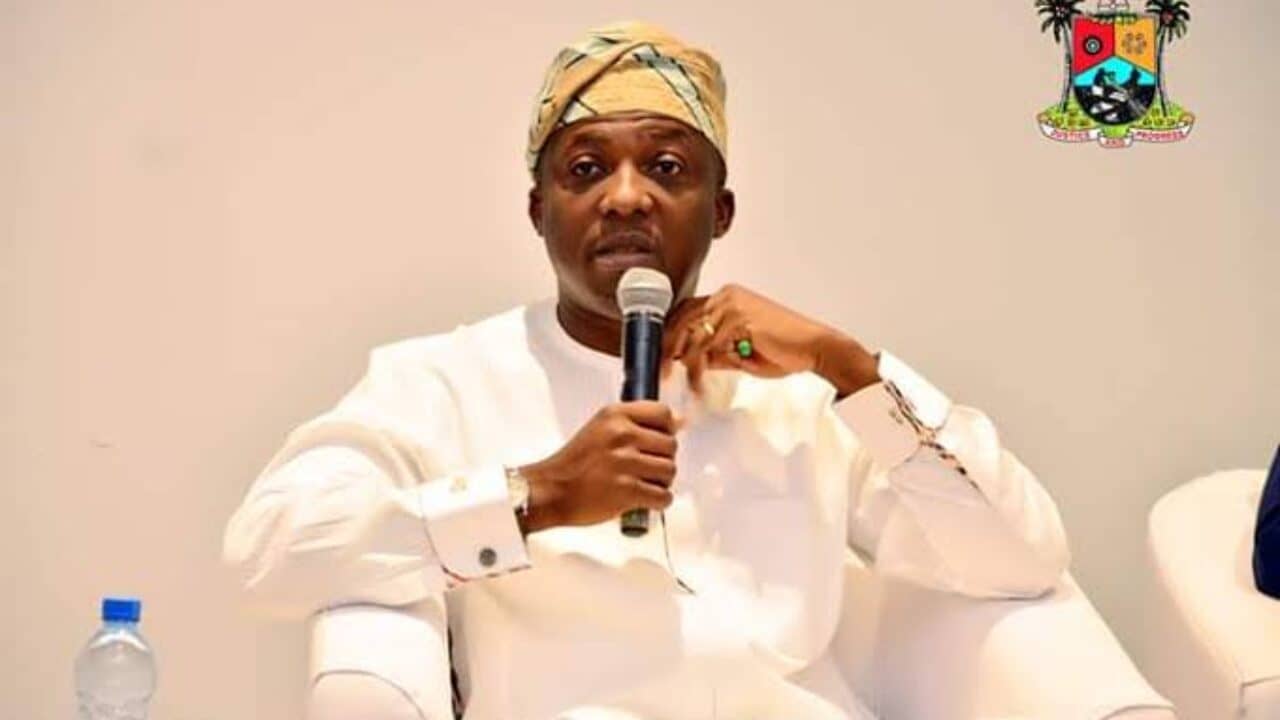
The operation, ordered following intelligence gathered from a circulating video, was announced by the Commissioner for Environment and Water Resources, Tokunbo Wahab, who confirmed that the exercise was aimed at restoring safety and reclaiming public infrastructure from illegal occupation.
EDITOR’S PICKS
The action raises an important question that goes beyond the bridge: why is clearing illegal settlers from pedestrian bridges not just justified, but essential? EKO HOT BLOG explores the question.
Public Infrastructure Exists for Public Use
Pedestrian bridges are built with one purpose: to help people cross roads safely. They are funded by taxpayers and designed to serve the millions of Lagos residents who navigate the city’s notoriously busy roads each day. When these structures are taken over by illegal occupants, that primary purpose is defeated.
The danger is not abstract. Pedestrians, particularly the elderly, children, and people with disabilities, are forced to either brave dangerous traffic below or navigate a bridge occupied by unknown individuals, some of whom may pose a security risk. It is a situation no responsible government should allow to persist.
Beyond safety, there is a question of principle. A government that cannot maintain basic public structures sends a troubling message about its capacity to govern. Allowing pedestrian bridges to become makeshift settlements normalises the erosion of civic order and emboldens further encroachment on other public spaces.
Security Concerns Cannot Be Ignored
Informal settlements on bridges and flyovers have, in Lagos, become hotspots for criminal activity. Robbery, drug use, and other offences tend to cluster in spaces that exist outside the reach of formal authority. Pedestrian bridges, by their elevated and often poorly lit nature, are particularly vulnerable.
Wahab was direct on this point, noting that the Abule Ado operation was necessary to “prevent criminal activities.”
For commuters and residents in the area, the presence of large, unregulated groups on a public bridge was already a deterrent to using it.
That in itself represents a failure: a piece of infrastructure rendered useless not by age or neglect, but by lawlessness.
Enforcement Alone Is Not Enough
It would be incomplete, however, to discuss this operation without acknowledging its wider context.
The people arrested at Abule Ado did not occupy a pedestrian bridge because it was an attractive option. Poverty, lack of affordable housing, and limited social safety nets push vulnerable individuals to inhabit such spaces. Enforcement without a corresponding investment in social welfare simply relocates the problem.
The Lagos State Government must pair operations like this with credible programmes for rehabilitation and shelter. Clearing bridges is the right first step; ensuring the displaced are not simply left to reoccupy another bridge or underpass is the necessary second.
FURTHER READING
The reclaiming of the Abule Ado Pedestrian Bridge is a welcome act of governance. The real test will be whether the state can sustain this standard across all its bridges and public spaces and whether it has the political will to address the root conditions that make such encroachments possible in the first place.
Philip Ibitoye is a Special Correspondent with EKO HOT BLOG. Click here to find daily analysis and critical insight on trending issues in Lagos and other parts of Nigeria.
Click to watch the video of the week below: